
Congress Braces for Funding Fight
September 2, 2025
2,879
23
12
1.22%
Search the Record
IndexedEvery word spoken in this episode is indexed. Type any phrase to jump straight to the moment it was said.
Type any word or phrase that may have been spoken. Click a result to seek the player to that exact moment.
Try a name, a topic, or a quoted line
Bloomberg Podcasts Episodes Around September 2, 2025
See what was published immediately before and after this episode.


 10:19Now Playing
Congress Braces for Funding Fight




YouTube Description
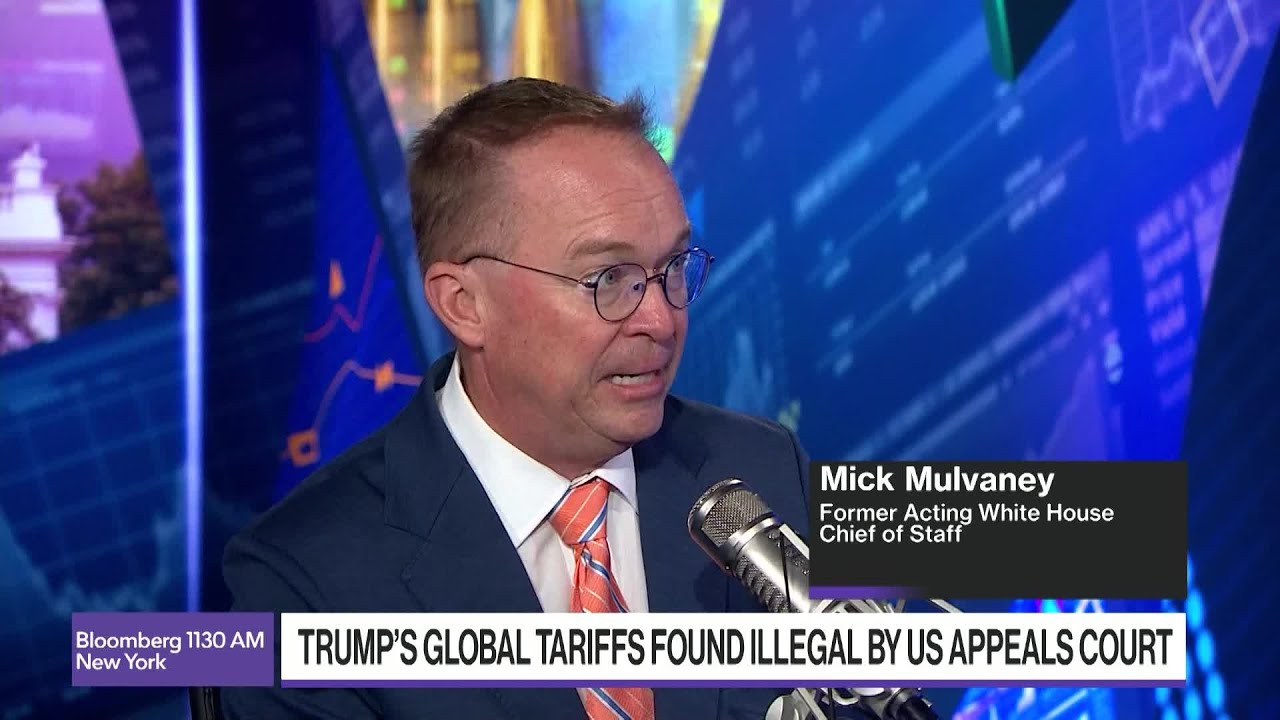
as posted by the channelMick Mulvaney, who served as acting chief of staff and budget director during President Trump's first term, said Congress will likely avert a government shutdown despite warnings from some lawmakers that a confrontation over spending is looming.
Congress has less than a month to strike a bipartisan funding deal and avoid an Oct. 1 shutdown, a task complicated by the increasing animosity between the White House and Capitol Hill.
Lawmakers return to Washington today with 16 scheduled working days before the funding deadline on the night of Sept. 30 — and that assumes the Senate sticks to its plan to work a few Fridays this month.
Lawmakers will have less than a month upon returning to Washington to avert a government shutdown before federal funding expires at the end of September.
With both chambers passing just a few appropriations bills before their summer recess, a stopgap funding measure is the best bet to keep the lights on, though given escalating partisan clashes, shuttering government services can’t be ruled out.
The details of a continuing resolution — and what could come after that — are uncertain. Republican appropriators would much rather see a short-term funding patch with the goal of passing a new long-term deal. But the House’s most hard-line conservatives are inclined to pass a full-year CR and hand Congress’ control of the purse strings to the executive branch to achieve spending cuts.
House Appropriations Chairman Tom Cole (R-Okla.) told reporters in July “it wouldn’t surprise me” if lawmakers end up passing a stopgap, but “the real question would be” how long it would last.
A stopgap is far from guaranteed and Congress could stumble into a shutdown. Against the backdrop of the Trump administration’s unprecedented efforts to unilaterally cancel congressionally appropriated funding, Democrats say trust is at an all-time low between parties to engage in bipartisan negotiations.
Here are a few ways the upcoming government funding fight could play out:
A Short-Term Stopgap
Ideally for appropriators, Congress would pass a short-term stopgap, either for weeks or a few months, to give lawmakers more time to pass a long-term, negotiated deal setting new funding levels. Appropriators believe they can make some real headway if they’re afforded more time.
Compared to recent history, the Senate has been far more productive than past Congresses in passing spending bills. Before leaving for the August recess, the Senate passed three appropriation bills in a “minibus” package (H.R. 3944), the first time the chamber passed any spending bills before the break since the summer of 2018.
But the House passed just two bills — Defense (H.R. 4016) and Military Construction-Veterans Affairs (H.R. 3944) — before the chamber left town early as Republican leaders sought to avoid votes on making public files on the late convicted sex offender Jeffrey Epstein. The scandal is likely to reemerge as a distraction when the House returns and could freeze the floor again.
A new set of spending bills for the 2026 fiscal year would restore a large portion of Congress’ oversight over government funding. The government is operating under a full-year stopgap (Public Law 119-4) enacted earlier this year, after lawmakers were unable to come to a deal on new funding levels. The House plans to take up the Energy and Water appropriations bill (H.R. 4553) the first week it’s back, underscoring lawmakers’ desire to return to regular order with full-year funding bills.
A Full-Year Stopgap Again
Conservative hard-liners who once opposed stopgaps are now embracing full-year stopgap funding rather than negotiating a deal with Democrats. A full-year CR could also have earmarks to get buy-in from other lawmakers wary of a long-term funding patch.
The hardliners see a full-year CR with earmarks as more fiscally conservative than a bipartisan deal that would likely set spending levels higher than where they are now.
Stopgaps also give immense discretion to the White House, which conservatives are eager to grant.
--------
Watch Bloomberg Radio LIVE on YouTube
Weekdays 7am-6pm ET
Follow us on X
Subscribe to our Podcasts:
Bloomberg Daybreak
Bloomberg Surveillance
Bloomberg Intelligence
Balance of Power
Bloomberg Businessweek
Listen on Apple CarPlay and Android Auto with the Bloomberg Business app:
Apple CarPlay
Android Auto
Visit our YouTube channels:
Bloomberg Podcasts
Bloomberg Television
Bloomberg Originals
Guests & Subjects Covered
Sentinel Indexing in Progress
Metadata and chapters are available. Claim extraction for this episode is pending.
All video content is delivered via YouTube embedded players in accordance with the YouTube Terms of Service. Sentinel provides research tools that promote discovery and accountability across political media.