
Google Dodges Chrome Sale in Antitrust Case Ruling
September 3, 2025
1,248
11
4
1.20%
Search the Record
IndexedEvery word spoken in this episode is indexed. Type any phrase to jump straight to the moment it was said.
Type any word or phrase that may have been spoken. Click a result to seek the player to that exact moment.
Try a name, a topic, or a quoted line
Bloomberg Podcasts Episodes Around September 3, 2025
See what was published immediately before and after this episode.



 3:30Now Playing
Google Dodges Chrome Sale in Antitrust Case Ruling



YouTube Description
as posted by the channelGoogle avoided a breakup after a US judge ruled against the government’s most onerous proposals, including a forced sale of its Chrome browser, another court victory for Big Tech in the biggest antitrust case in three decades. The shares jumped.
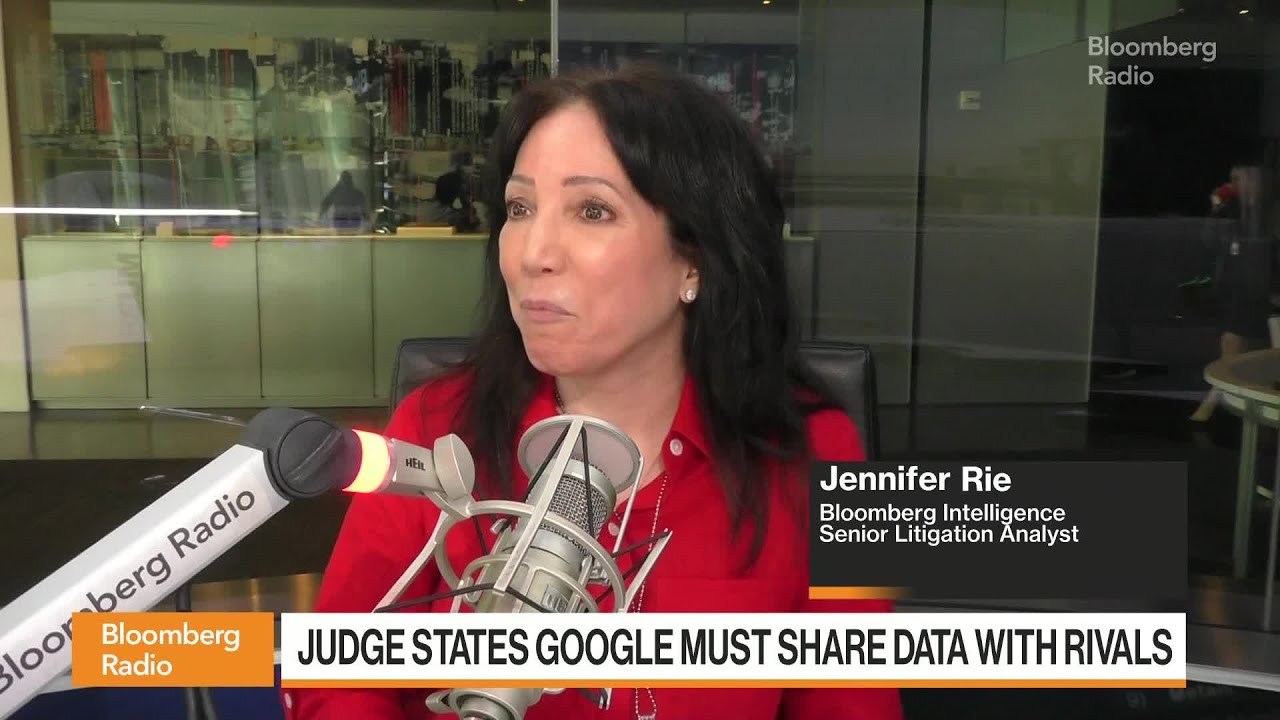
AI models represent a long-term threat to the search industry as chatbots and other generative AI technologies become more advanced and behave more like search engines, Judge Amit Mehta said on Tuesday. Still, the Alphabet Inc. company will have to make some concessions, including sharing online search data with rivals and ending exclusive contracts for distribution. Bloomberg's Jen Rie reports.
“The emergence of GenAI changed the course of this case,” Mehta wrote in the judgment.
The ruling represents a setback for the US government in its bid to curb the power of the biggest US tech companies, falling far short of the most severe remedies sought by antitrust enforcers. The finding follows the Washington-based judge’s ruling last year that Google illegally monopolized the markets for online search and search advertising. Mehta held a three-week hearing in April to determine a fix.
In a statement, Google praised the decision for recognizing how AI has changed the search industry, but said the company continues to disagree with Mehta’s earlier ruling that it monopolized online search. The search giant also said it was worried about the data-sharing requirements the judge imposed.
“We have concerns about how these requirements will impact our users and their privacy, and we’re reviewing the decision closely,” said Lee-Anne Mulholland, vice president of regulatory affairs. “The court did recognize that divesting Chrome and Android would have gone beyond the case’s focus on search distribution, and would have harmed consumers and our partners.”
While it’s barred from exclusivity deals, Google will still be allowed to pay its partners — a key win for Apple Inc., which has received roughly $20 billion a year for making Google search the default on iPhones.
“Cutting off payments from Google almost certainly will impose substantial — in some cases, crippling — downstream harms to distribution partners, related markets, and consumers, which counsels against a broad payment ban,” the judge wrote.
Shares of Alphabet surged as much as 9.2% in New York trading on Wednesday to $230.86, reaching its highest intraday level in nearly five months following the release of the judge’s ruling. Apple shares climbed more than 2.5%.
‘Slap On The Wrist’a
The order is one of the most monumental court decisions affecting the tech sector in more than a quarter century, and could offer a blueprint for other judges who may end up weighing similar choices in cases against Meta Platforms Inc., Amazon.com Inc. and Apple.
“For observers who have followed this case closely, Judge Mehta’s slap-on-the-wrist ruling comes as a shock,” said analysts at MoffettNathanson in a note on Wednesday. “This outcome is a home run for the status quo, and the status quo has been very favorable to both Google and Apple.”
The US has found it difficult to rein in Big Tech via the Justice Department and Federal Trade Commission, across both the Trump and Biden administrations, and indeed for years before that.
White House guidelines released as part of the AI Action Plan in July called on the FTC to back off on cases that put AI innovation at risk. That was potentially a boon for companies like Microsoft Corp. that have been subject to FTC probes for how they’re using their dominant positions to add AI services.
Early this year, in the first antitrust case under Trump, the DOJ sued to block Hewlett Packard Enterprise Co.’s $13 billion deal for Juniper Networks Inc. on competition grounds. The companies ultimately settled the case after agreeing to sell some assets.
Microsoft was also able to push through its $69 billion deal for gamemaker Activision Blizzard Inc. after the FTC lost a case to block it in 2023. The commission lost its latest appeal in May.
Sharing Search Data
--------
Watch Bloomberg Radio LIVE on YouTube
Weekdays 7am-6pm ET
Follow us on X
Subscribe to our Podcasts:
Bloomberg Daybreak
Bloomberg Surveillance
Bloomberg Intelligence
Balance of Power
Bloomberg Businessweek
Listen on Apple CarPlay and Android Auto with the Bloomberg Business app:
Apple CarPlay
Android Auto
Visit our YouTube channels:
Bloomberg Podcasts
Bloomberg Television
Bloomberg Originals
Guests & Subjects Covered
Sentinel Indexing in Progress
Metadata and chapters are available. Claim extraction for this episode is pending.
All video content is delivered via YouTube embedded players in accordance with the YouTube Terms of Service. Sentinel provides research tools that promote discovery and accountability across political media.