Bloomberg Podcasts
@bloombergpodcasts·503K subscribers·32.4K videos
Spanish PM Sánchez Says Pillars of Spanish Economy 'Quite Solid'
Posted
September 24, 2025
Views
4,726
Likes
128
Comments
45
Engagement
September 24, 2025
4,726
128
45
3.66%
Every word spoken in this episode is indexed. Type any phrase to jump straight to the moment it was said.
Type any word or phrase that may have been spoken. Click a result to seek the player to that exact moment.
Try a name, a topic, or a quoted line
 11:07Now Playing
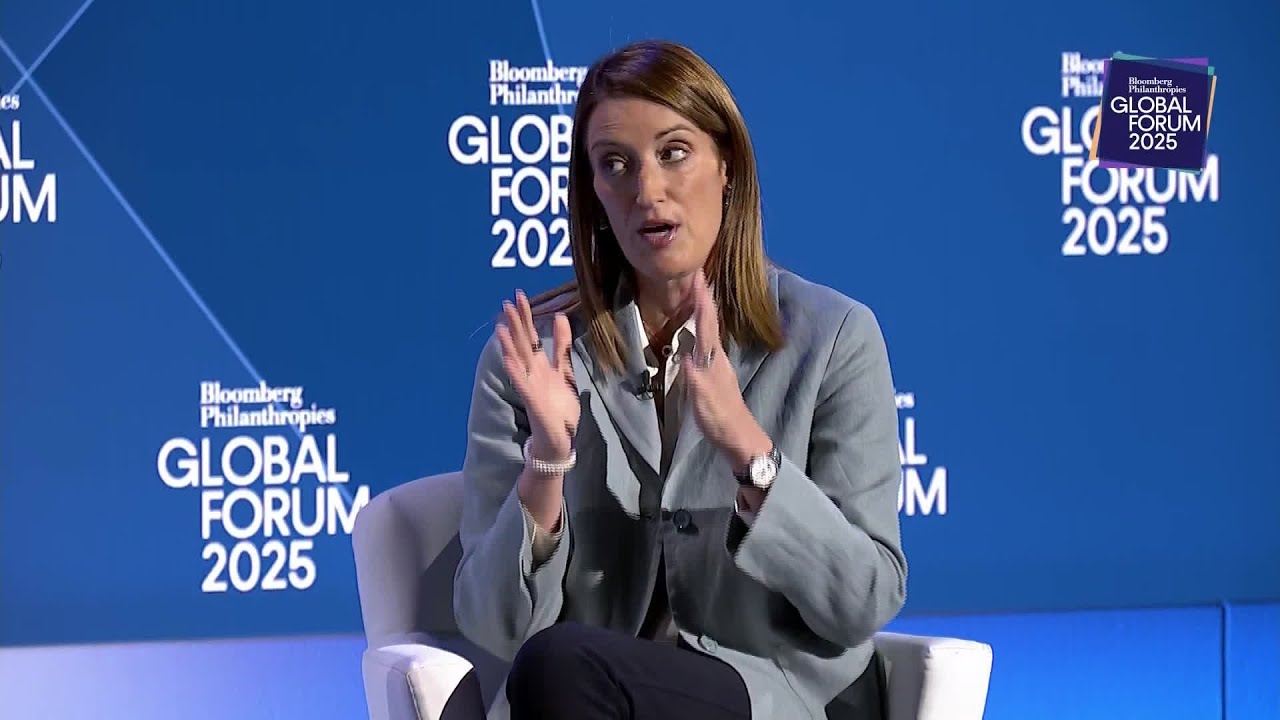
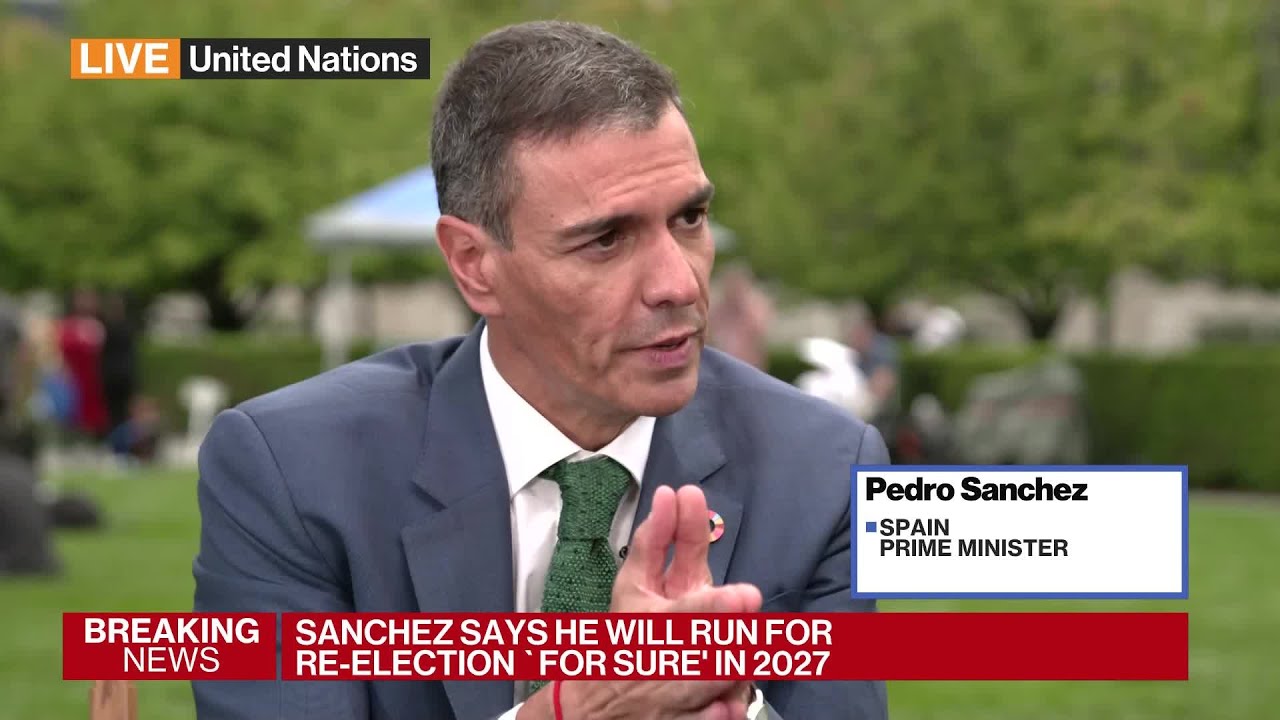
Bloomberg News editor-in-chief John Micklethwait sat down with Spanish prime minister Pedro Sánchez in a wide-ranging interview. Their conversation touched on his disagreements with President Trump on migration and Spain's economy, as well as his decision to run for reelection in 2027.
Spanish Prime Minister Pedro Sanchez said he’ll run for re-election in 2027, despite polls that show his Socialist party would have a difficult time winning a majority in parliament.
“I will do it for sure,” Sanchez said in an interview with Bloomberg Editor-in-Chief John Micklethwait Wednesday. “This is something that I have already spoken with my family and with my party.”
Sanchez oversees one of the strongest economies in the euro area with Spain expected to grow around 2.7% this year, more than double the pace of the currency union’s economy. Unemployment is at a low since the financial crisis and S&P Global Ratings recently raised the country’s credit rating one notch.
Spanish government bonds have outperformed this year, returning 0.7% compared to a 0.2% return for a broad Bloomberg index of European government debt.
“Thanks to green policies, we have dropped electricity prices since 2017 until now by 50%,” Sanchez said. “That enables us to gain competitiveness and thanks to that we’re witnessing this extraordinary outcome of the economic growth in Spain.”
Yet, Sanchez struggles to win political dividends as he faces the most fragmented parliament in recent history and is surrounded by corruption scandals involving his now-former top aides in the party as well as members of his family.
Polls suggest that the two main opposition parties, the conservative Popular Party and the far-right Vox, would win the next election. Before that, his party will face ballots in two regions, including Andalusia, the most populous in Spain, where conservatives are expected to keep power.
Sanchez has been prime minister since 2018, when he won a no-confidence motion against his conservative predecessor Mariano Rajoy. Facing a fractured political landscape, he needs the agreement of more than eight diverse parties to pass any law. The government still runs the 2023 budget, which was approved before the last general election held that same year.
Two years ago, the Popular Party and Vox came four seats short of an absolute majority and almost every survey projects they would comfortably exceed that threshold. Scandals within his Socialist party have eroded his popularity.
But Sanchez is an expert in comebacks, especially when polls or sometimes his own party thinks he’s out of road. Following the 2023 election, he approved an amnesty law for Catalan secessionists in exchange for their votes in parliament, a move that secured him another term.
Sanchez’s relationship with the Catalan parties, however, has been turbulent and they periodically suspend their support. That makes for a difficult political environment for Sanchez as his government needs to negotiate with the Catalans for every law and every vote, hampering its power to pass legislation.
--------
Watch Bloomberg Radio LIVE on YouTube
Weekdays 7am-6pm ET
Follow us on X
Subscribe to our Podcasts:
Bloomberg Daybreak
Bloomberg Surveillance
Bloomberg Intelligence
Balance of Power
Bloomberg Businessweek
Listen on Apple CarPlay and Android Auto with the Bloomberg Business app:
Apple CarPlay
Android Auto
Visit our YouTube channels:
Bloomberg Podcasts
Bloomberg Television
Bloomberg Originals
Sentinel Indexing in Progress
Metadata and chapters are available. Claim extraction for this episode is pending.
All video content is delivered via YouTube embedded players in accordance with the YouTube Terms of Service. Sentinel provides research tools that promote discovery and accountability across political media.