Bloomberg Podcasts
@bloombergpodcasts·503K subscribers·32.4K videos
Dems, GOP Remain Apart on Funding Hours Before Shutdown
Posted
September 30, 2025
Views
602
Likes
4
Comments
1
Engagement
September 30, 2025
602
4
1
0.83%
Every word spoken in this episode is indexed. Type any phrase to jump straight to the moment it was said.
Type any word or phrase that may have been spoken. Click a result to seek the player to that exact moment.
Try a name, a topic, or a quoted line
 10:32Now Playing
New York GOP Representative Mike Lawler said Republicans and Democrats can negotiate on Obamacare subsidies but there's no reason to shut down the government before that takes place.
House Democrats were blocked by Republicans from moving their version of a stopgap spending bill at noon, a sign of the partisan divide on Capitol Hill likely to spark a shutdown at midnight.
House Democrats tried to unanimously advance a stopgap that would provide funding through Oct. 31, rather than the Nov. 21 deadline in Republicans’ continuing resolution, and also extend healthcare subsides. But Rep. Morgan Griffith (R-Va.), who was presiding over the chamber, ignored House Democrats as they shouted for recognition.
Party leadership had urged House Democrats to come to the floor for the pro forma, which typically serves as a short ceremonial session without legislative action. Appropriations ranking member Rosa DeLauro (D-Conn.) planned to seek recognition to pass Democrats’ continuing resolution by unanimous consent, according to a whip notice sent to members. But Griffith declined to recognize DeLauro for the request, a right of the majority.
Since the GOP controls the House floor, it’s virtually impossible for Democrats to successfully advance legislation without the backing of the majority.
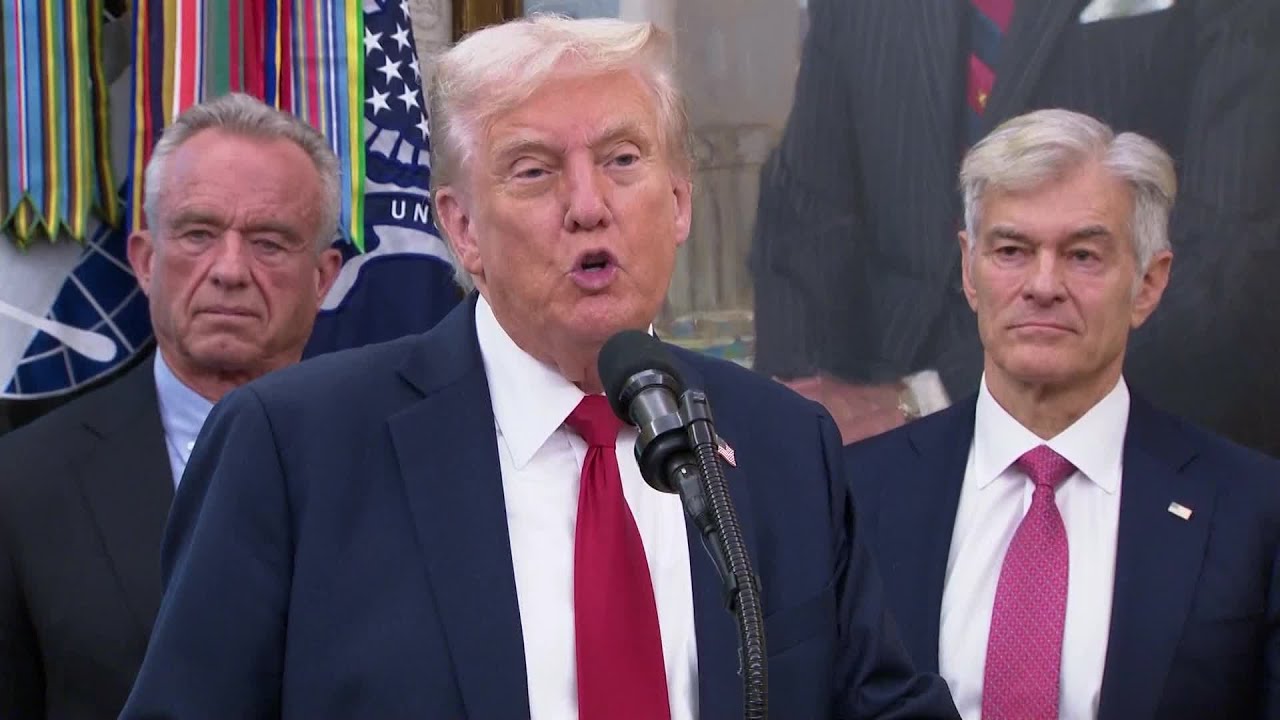
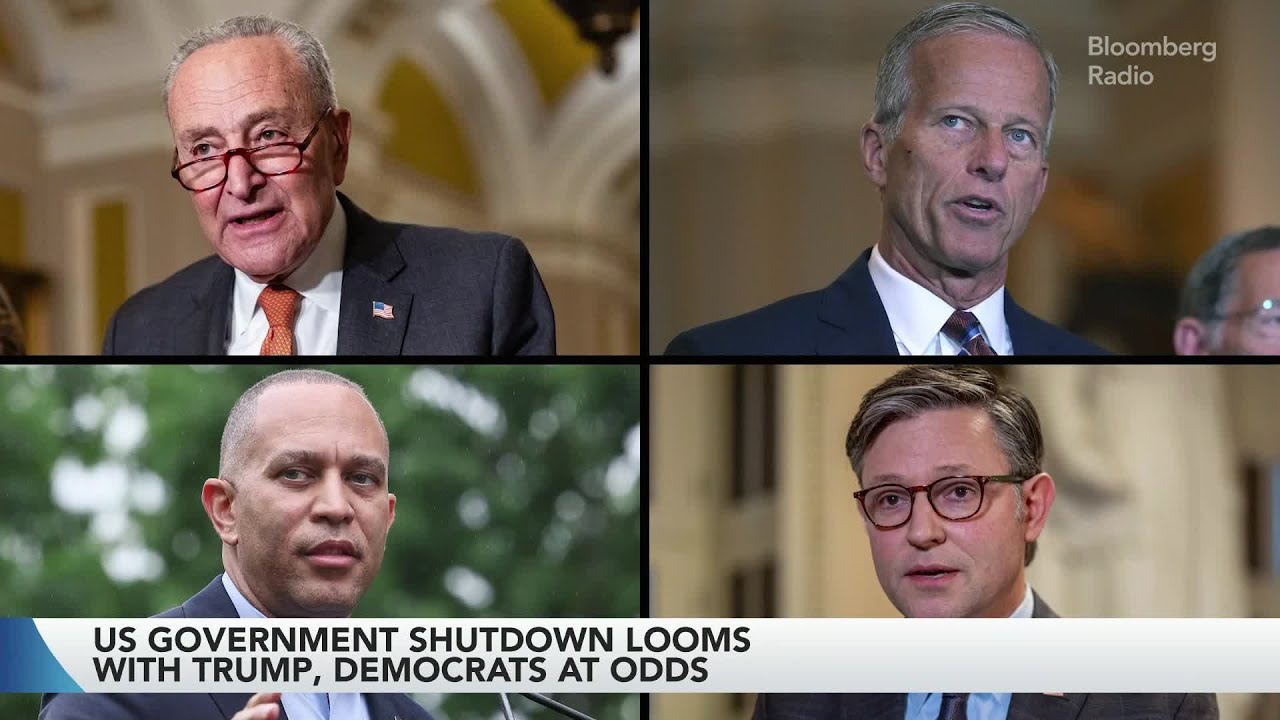
President Donald Trump has steamrolled Washington this year with few checks on his authority — until now. Senate Democrats, incensed by unilateral actions made by Trump, his cabinet and especially his budget chief, are making a stand.
Democratic leader Chuck Schumer is giving his party a rare moment of leverage in a Washington where Republicans control the House, the Senate, the White House and the Supreme Court. Trump has waged a global trade war, deployed troops in cities, slashed the federal work force and withheld funding for states, cities and health care research, mostly by executive order, and with little opportunity in Congress to object. Congressional Republicans have gone along, passing Trump’s massive tax and spending package under special procedures that required no Democratic votes.
Schumer is now playing his strongest hand and threatening to shut down the government using the Senate’s filibuster rule if Trump and fellow Republicans refuse his party’s health care demands.
Schumer’s move gives Democrats a rare moment of leverage in a Washington where Republicans control the House, the Senate, the White House and the Supreme Court. Trump has waged a global trade war, deployed troops in cities, slashed the federal work force and withheld funding for states, cities and health care research, mostly by executive order. Congressional Republicans, meanwhile, passed Trump’s massive tax and spending package under special procedures that required no Democratic votes.
But to fund the government — Congress’s primary job — Republicans need 60 votes in the Senate to end a filibuster. There are just 53 Republican senators, giving the chamber’s 47 Democrats outsize influence in this debate.
So far, only one Democrat — John Fetterman of Pennsylvania — has said he’ll break ranks. The others in the party are likely to fall in line behind Schumer, at least for now.
Power Check
The filibuster exists as a check on the president’s power, particularly in a unified government, and a safeguard against wildly fluctuating policy changes. Once rare and grand affairs, they’ve become commonplace, with most of them occurring since 2000.
During his first term, Trump repeatedly called for scrapping the filibuster, which quickly became a nuisance as he tried to enact his legislative agenda. But Republican leaders opposed the move, warning that eliminating the filibuster would haunt the party when they were again in the minority.
Schumer’s move to force a shutdown showdown is a risky one. Shutdowns almost always end when the party that wants to add items to a stopgap bill agrees to reopen the government. But taking a stand — even if it doesn’t lead to significant concessions — gives Democrats an opportunity to take on Trump.
--------
Watch Bloomberg Radio LIVE on YouTube
Weekdays 7am-6pm ET
Follow us on X
Subscribe to our Podcasts:
Bloomberg Daybreak
Bloomberg Surveillance
Bloomberg Intelligence
Balance of Power
Bloomberg Businessweek
Listen on Apple CarPlay and Android Auto with the Bloomberg Business app:
Apple CarPlay
Android Auto
Visit our YouTube channels:
Bloomberg Podcasts
Bloomberg Television
Bloomberg Originals
Sentinel Indexing in Progress
Metadata and chapters are available. Claim extraction for this episode is pending.
All video content is delivered via YouTube embedded players in accordance with the YouTube Terms of Service. Sentinel provides research tools that promote discovery and accountability across political media.