Bloomberg Podcasts
@bloombergpodcasts·503K subscribers·32.4K videos
Bessent Floats Longer Tariff Truce for China Rare Earth Delay
Posted
October 15, 2025
Views
149,642
Likes
478
Comments
913
Engagement
October 15, 2025
149,642
478
913
0.93%
Every word spoken in this episode is indexed. Type any phrase to jump straight to the moment it was said.
Type any word or phrase that may have been spoken. Click a result to seek the player to that exact moment.
Try a name, a topic, or a quoted line
 24:51Now Playing
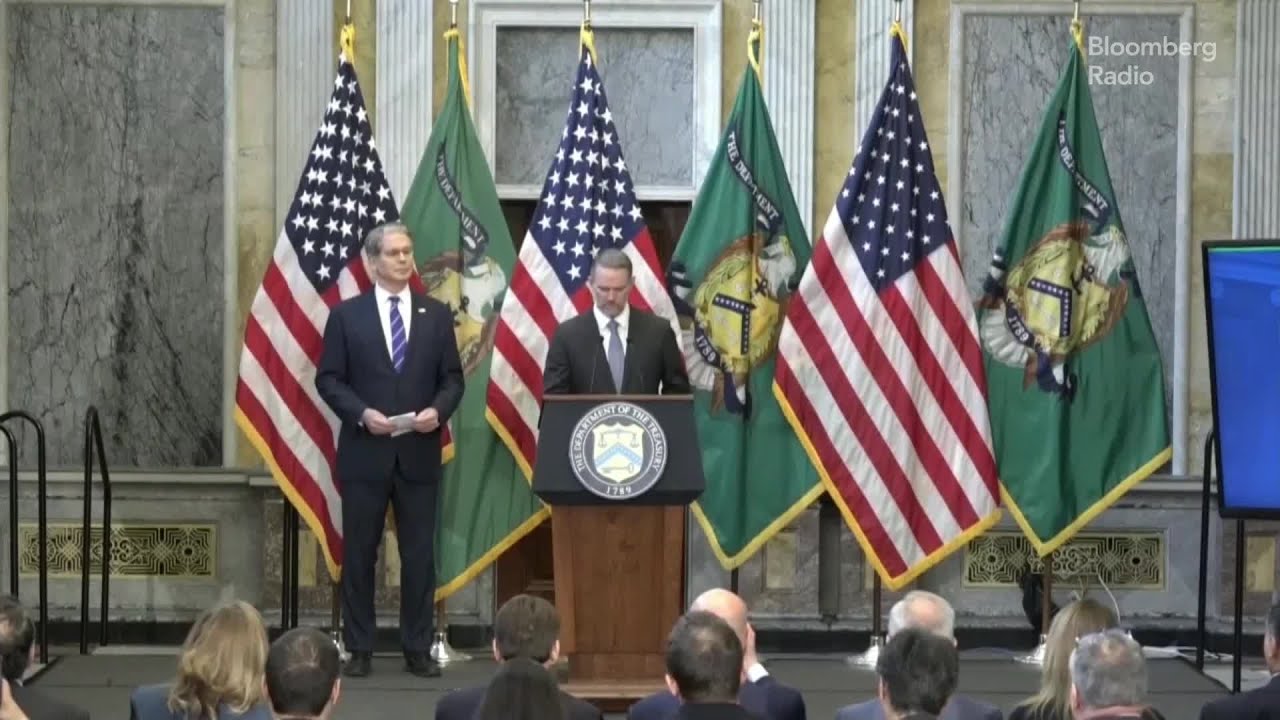
Treasury Secretary Scott Bessent proposed a longer pause on high US tariffs on Chinese goods in return for Beijing putting off its recently announced plan to tighten limits on critical rare earths.
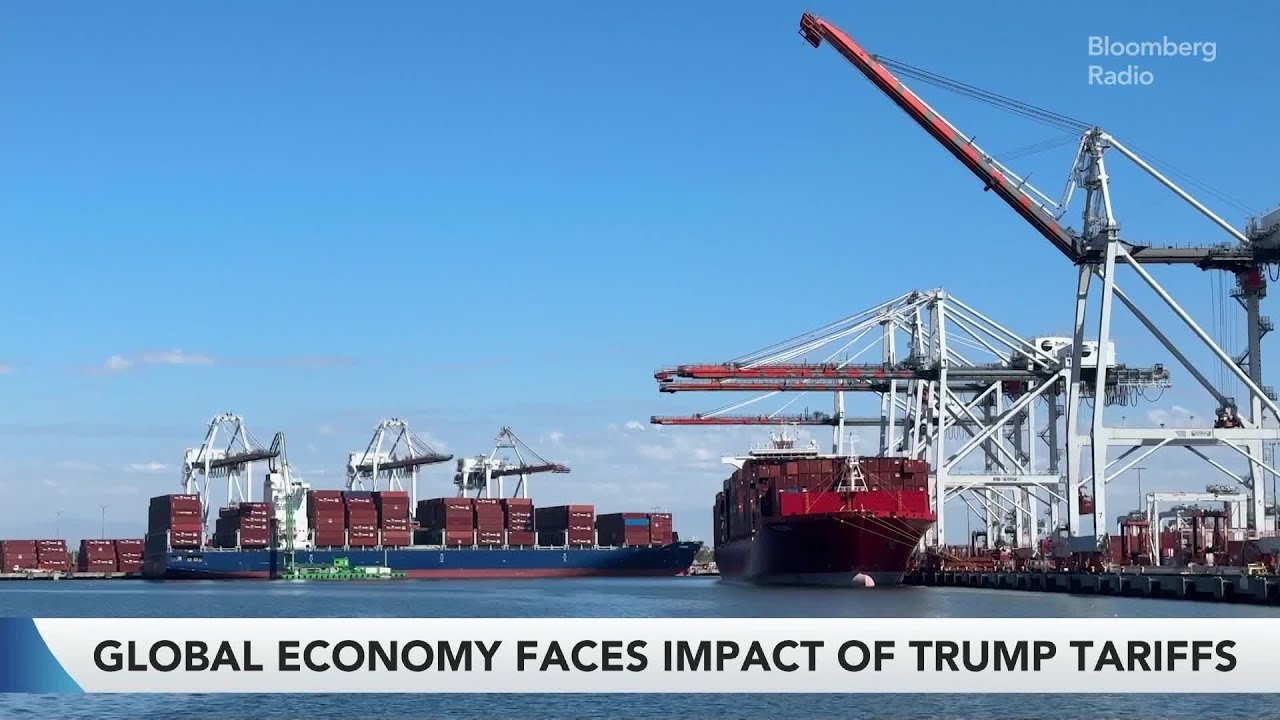
Since earlier this year, the US and China have agreed to 90-day truces on import duties of as high as 145%, with the next deadline looming in November. Now, the Trump administration’s focus is halting the Chinese plan for strict new export controls on rare-earth elements, in part by dangling incentives for the government to drop it and threatening sharp penalties if it doesn’t.
“Is it possible that we could go to a longer roll in return? Perhaps. But all that’s going to be negotiated in the coming weeks,” Bessent said Wednesday during a press conference in Washington.
Equities extended gains after Bessent’s comments, with the S&P 500 rising 1%. Stocks of US-listed rare earth companies, including Critical Metals Corp., USA Rare Earth Inc. and MP Materials Corp., which would stand to gain from more limited Chinese supplies, fell.
US Trade Representative Jamieson Greer cast doubt that Beijing would go ahead with the plan, which he said would choke off trade in a wide variety of consumer products that contain even a trace of rare earths.
“The scope and the scale is just unimaginable, and it cannot be implemented,” Greer said.
In the meantime, Bessent predicted a coordinated response to China’s move from the US and several allies.
“We’re going to have a fulsome, group response to this, because bureaucrats in China cannot manage the supply chain or the manufacturing process for the rest of the world,” Bessent said earlier Wednesday at a CNBC-hosted forum in Washington.
Coordinated Response
Pointing out that “all my counterparts” are in Washington for the annual gathering of the International Monetary Fund and World Bank this week, he said, “We’re going to be speaking with our European allies, with Australia, with Canada, with India and the Asian democracies.”
An escalating tit-for-tat between Washington and Beijing has renewed investors’ fears that world’s two largest economies could soon be locked in a full-blown trade war.
China’s new rules, announced last week, require overseas firms to obtain Chinese government approval before exporting products containing even trace amounts of certain rare earths that originated in China.
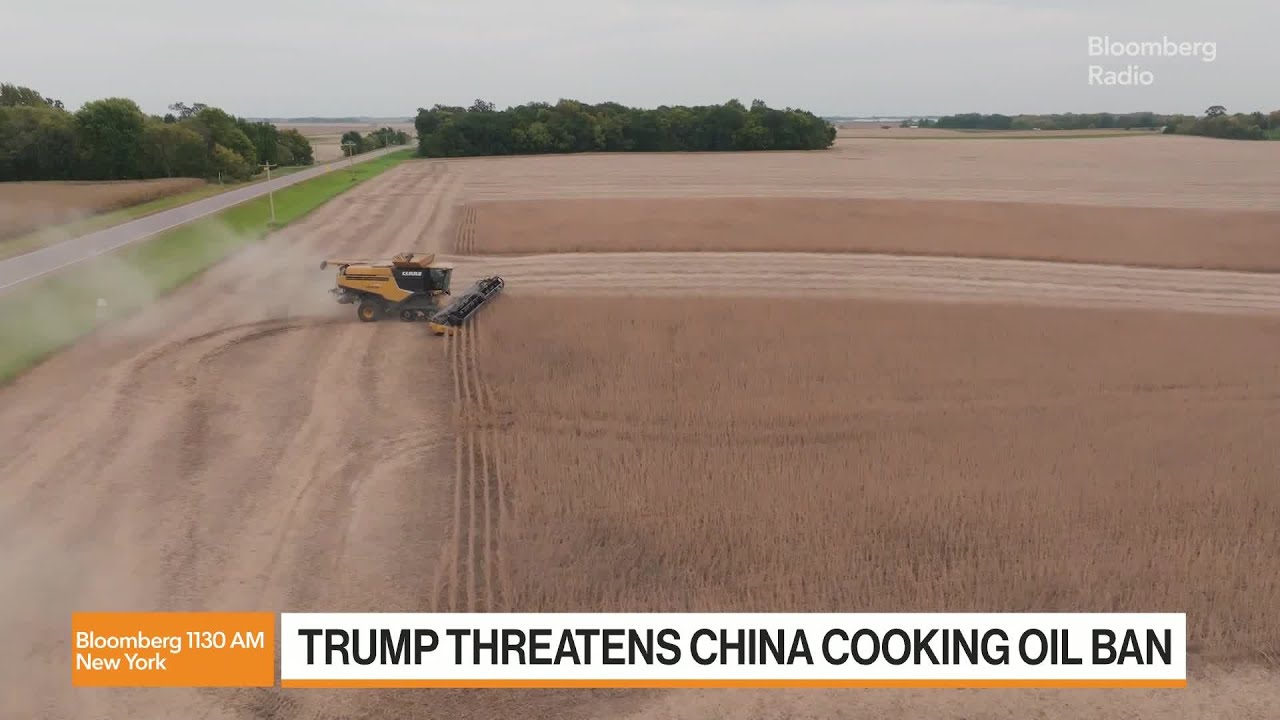
President Donald Trump responded by threatening to impose an additional 100% tariff on Chinese goods by Nov. 1, potentially scrapping a planned meeting with President Xi Jinping and to cut off trade in cooking oil, a key input in biofuels.
The Treasury chief also said that as far as he’s aware, Trump “is a go” on meeting Xi later this month in South Korea. Bessent said there’s a “very good chance” that he travels to Asia before Trump and meets with his Chinese counterpart, Vice Premier He Lifeng.
Asia Trip
Bessent said he expected trade announcements being made during Trump’s Asia tour. The president is expected to attend a summit with Association of Southeast Asian Nations in Malaysia before going on to Japan and South Korea, which will be hosting the annual Asia-Pacific Economic Cooperation leaders meeting.
The US is “about to finish up” negotiations with South Korea, Bessent added. Those talks have lately revolved around the contours of a giant investment program. US-Canada talks are “back on track,” Bessent also said. He also indicated progress with India.
Bessent dismissed the notion that a slide in the stock market would force the Trump administration into a negotiating position with Beijing, saying that what spurs such talks is instead the economic interest of the nation. The US won’t negotiate with China “because the stock market is going down,” he said.
He also rejected the idea that the rising price of gold reflects some fundamental concern with regard to the dollar. He flagged that US interest rates have come down relative to other economies, and said with regard to the euro that it “should be strong,” given how currency theory would suggest exchange-rate appreciation when fiscal expansion is underway.
--------
Watch Bloomberg Radio LIVE on YouTube
Weekdays 7am-6pm ET
Follow us on X
Subscribe to our Podcasts:
Bloomberg Daybreak
Bloomberg Surveillance
Bloomberg Intelligence
Balance of Power
Bloomberg Businessweek
Listen on Apple CarPlay and Android Auto with the Bloomberg Business app:
Apple CarPlay
Android Auto
Visit our YouTube channels:
Bloomberg Podcasts
Bloomberg Television
Bloomberg Originals
Sentinel Indexing in Progress
Metadata and chapters are available. Claim extraction for this episode is pending.
All video content is delivered via YouTube embedded players in accordance with the YouTube Terms of Service. Sentinel provides research tools that promote discovery and accountability across political media.