Bloomberg Podcasts
@bloombergpodcasts·503K subscribers·32.4K videos
Sept. Jobs Report Helps Bolster Rate-Cut Odds
Posted
November 21, 2025
Views
1,209
Likes
6
Comments
1
Engagement
0.58%
November 21, 2025
1,209
6
1
0.58%
Every word spoken in this episode is indexed. Type any phrase to jump straight to the moment it was said.
Type any word or phrase that may have been spoken. Click a result to seek the player to that exact moment.
Try a name, a topic, or a quoted line
 5:39Now Playing
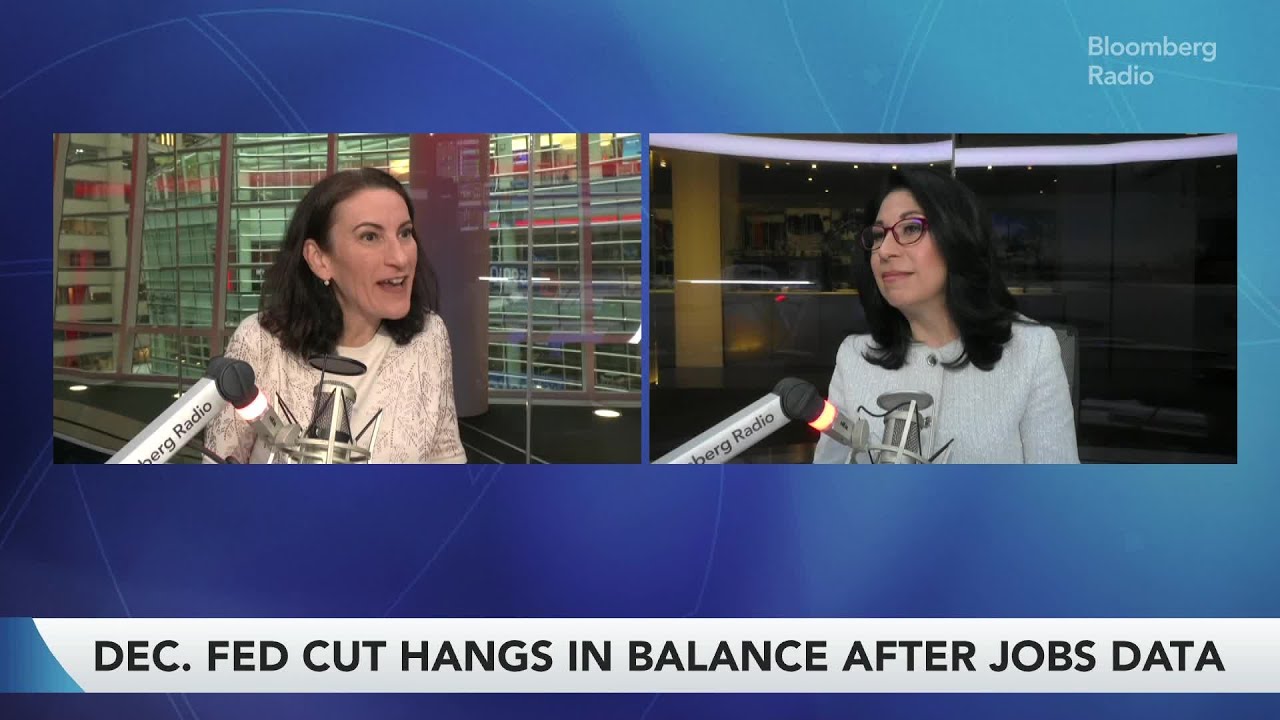
Yelena Shulyatyeva, Senior Economist at the Conference Board, breaks down the lessons learned from the delayed September jobs report released Thursday.
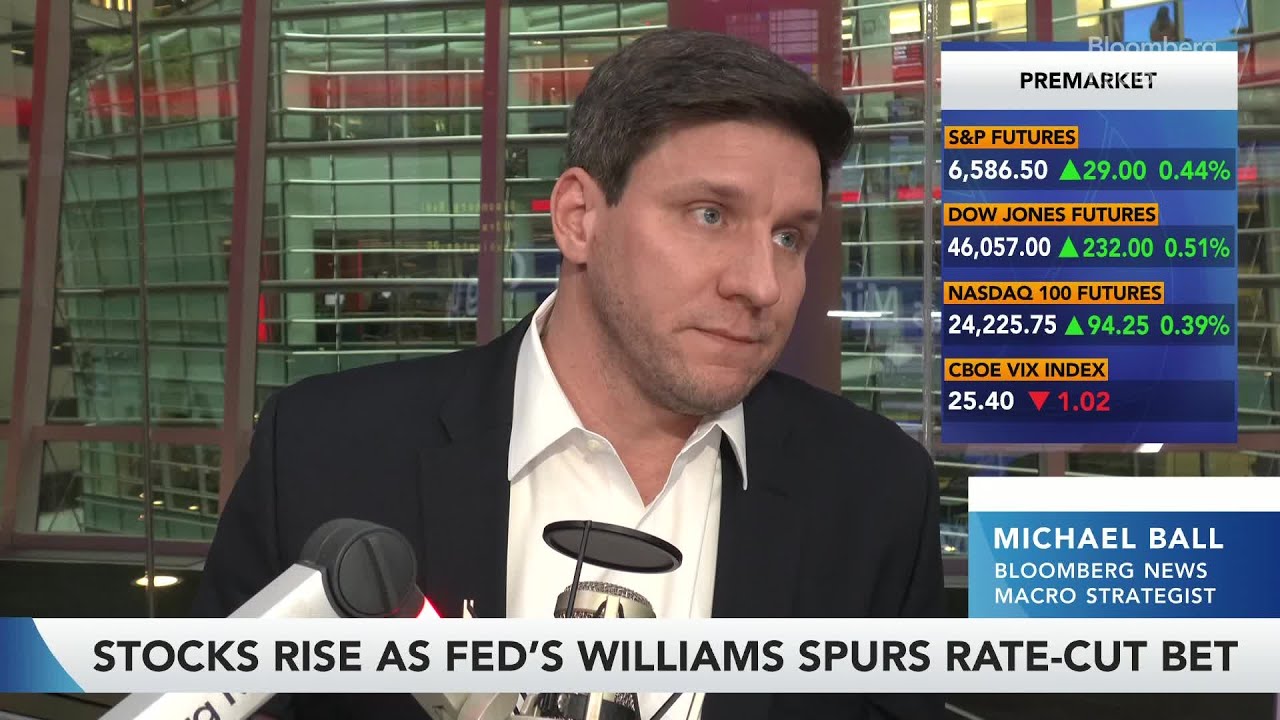
Treasuries rallied after Federal Reserve of New York President John Williams said he saw room for the central bank to lower interest rates “in the near term.”
Traders, who earlier this week had all but abandoned expectations for further easing this year, resumed pricing better than 50% odds for a quarter percentage-point reduction on Dec. 10 after Williams said monetary policy was “modestly restrictive.”
A delayed September jobs report Thursday showing rising unemployment also helped bolster rate-cut odds, which had been eroded as US government officials said no more labor market data would be released until after the Fed decision.
Swap contracts linked to Fed rate decisions priced in about 15 basis points of easing, about 60% of a quarter point move. Two-year Treasury yields, more sensitive than longer-maturity tenors to changes in Fed policy, dropped as much as five basis points to 3.48%, the lowest level since Oct. 28.
“Williams’ comments are key because he is one of the middle ground voters that might ultimately determine the outcome of the December rate decision,” Vail Hartman, a US rates strategist at BMO Capital Markets, said. “It wasn’t previously clear where he stood on the outlook for the December meeting.”
Treasuries held smaller gains before Williams spoke amid weakness in US stock index futures, which subsequently recovered. Declines for stocks earlier this week fueled haven demand for government bonds, offsetting some of the erosion in confidence about a December rate cut. Global equities are on track for their steepest drop since the tariff turmoil of April.
The US 10-year yield has fallen nine basis points over the past five days to 4.06%, its biggest decline since the week ending October 10. The two-year has fallen by a similar margin, its largest weekly drop since September.
Fed officials appear deeply divided on their December decision, however. Three objected to the last cut in October, and several others — including most recently Austan Goolsbee and Michael Barr — are at least dubious about the need for another one this year in light on inflation trends.
Boston Fed President Susan Collins, speaking after Williams on Friday, reiterated that upward pressure on consumer prices made her hesitant about the next policy move.
--------
Watch Bloomberg Radio LIVE on YouTube
Weekdays 7am-6pm ET
Follow us on X
Subscribe to our Podcasts:
Bloomberg Daybreak
Bloomberg Surveillance
Bloomberg Intelligence
Balance of Power
Bloomberg Businessweek
Listen on Apple CarPlay and Android Auto with the Bloomberg Business app:
Apple CarPlay
Android Auto
Visit our YouTube channels:
Bloomberg Podcasts
Bloomberg Television
Bloomberg Originals
Sentinel Indexing in Progress
Metadata and chapters are available. Claim extraction for this episode is pending.
All video content is delivered via YouTube embedded players in accordance with the YouTube Terms of Service. Sentinel provides research tools that promote discovery and accountability across political media.