Bloomberg Podcasts
@bloombergpodcasts·503K subscribers·32.4K videos
Consumer Debt is Possible Headwind for Retail, Says EY-Parthenon's Auchincloss
Posted
December 24, 2025
Views
4,924
Likes
73
Comments
15
Engagement
December 24, 2025
4,924
73
15
1.79%
Every word spoken in this episode is indexed. Type any phrase to jump straight to the moment it was said.
Type any word or phrase that may have been spoken. Click a result to seek the player to that exact moment.
Try a name, a topic, or a quoted line
 5:19Now Playing
US consumer sentiment rose in December by less than expected, remaining depressed amid lingering affordability concerns.
The University of Michigan’s final December sentiment index climbed 1.9 points to 52.9, according to a report released Friday. The median estimate in a Bloomberg survey of economists called for a reading of 53.5.
“Despite some signs of improvement to close out the year, sentiment remains nearly 30% below December 2024, as pocketbook issues continue to dominate consumer views of the economy,” Joanne Hsu, director of the survey, said in a statement.
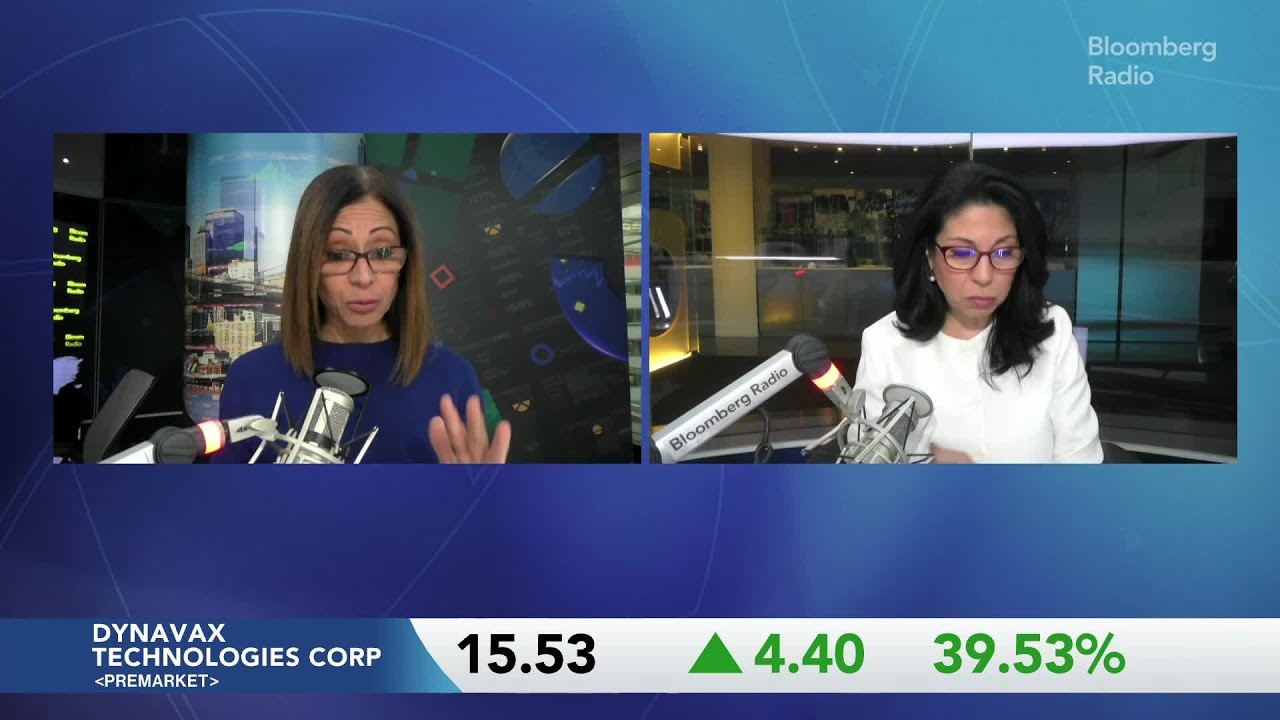
The current conditions gauge slid to a record-low of 50.4, while a gauge of expectations climbed to a four-month high. Consumers’ perception of current buying conditions for big-ticket items deteriorated to the lowest on record. Will Auchincloss, Americas Retail Sector Leader at EY-Parthenon, breaks down the state of the consumer.
Every holiday season brings with it close scrutiny of Americans’ spending, but this year, the gaze cast at shoppers is even more intense than usual. Largely, that’s because no one really understands what Americans are up to. Most measures of consumer confidence suggest the mood has worsened significantly since the 2024 election, with people across the political spectrum concerned about higher prices and a stagnant job market. Consumer behavior has never perfectly mirrored what people say about their own state of mind, but normally you’d expect such widespread fear to be reflected in their holiday shopping decisions.
Not this year. So far, the topline numbers suggest spending is up significantly from 2024 and the volume of people out there shopping is also at an all-time high. According to data from the National Retail Federation, almost 203 million Americans shopped during the five days from Thanksgiving to Cyber Monday, blowing past the trade group’s predictions by almost 9% and exceeding the previous high set in 2023. With those numbers, it can’t be just rich people who are shopping.
For behavior and belief to diverge this far has left experts befuddled. If so many Americans worry they may be laid off or their 401(k) might get vaporized by artificial intelligence companies lobbing the same $100 billion back and forth like a hot potato, why are they still splashing out on holiday decorations and gifts? There probably isn’t a single completely satisfying answer, but if you want to understand the state of the American consumer, the best place to look might be at the performance of “buy now, pay later” lending services, whose customers are a growing cohort of Americans—more than 91 million of them, according to a recent estimate from the financial services firm Empower.
BNPL services are a relatively recent fintech spin on an old idea: More people will buy more stuff if they don’t have to pay for it all at once. The largest players—Klarna, Affirm and Afterpay—arrived in the US in the 2010s and cultivated a customer base by offering short-term payment plans on individual purchases from a host of popular e-commerce sites. Their quick, algorithmically mediated lending decisions didn’t require a traditional credit check, an enticing prospect for people with bad or limited credit history; and their shortest-term loans (“pay in four” programs, which split a purchase into four payments, usually due every two weeks) were generally interest-free. Young consumers with a modest income and limited credit history took a particular liking to BNPL, and they remain its most dedicated constituency. As uptake grew and more retailers began offering these services as a payment option, traditional consumer finance companies and older digital-payment providers including Chase, Citi and PayPal’s Venmo spun up their own versions of on-demand short-term lending, allowing buyers even more ways to chop up purchases into a handful of payments.
--------
Watch Bloomberg Radio LIVE on YouTube
Weekdays 7am-6pm ET
Follow us on X
Subscribe to our Podcasts:
Bloomberg Daybreak
Bloomberg Surveillance
Bloomberg Intelligence
Balance of Power
Bloomberg Businessweek
Listen on Apple CarPlay and Android Auto with the Bloomberg Business app:
Apple CarPlay
Android Auto
Visit our YouTube channels:
Bloomberg Podcasts
Bloomberg Television
Bloomberg Originals
Sentinel Indexing in Progress
Metadata and chapters are available. Claim extraction for this episode is pending.
All video content is delivered via YouTube embedded players in accordance with the YouTube Terms of Service. Sentinel provides research tools that promote discovery and accountability across political media.