Bloomberg Podcasts
@bloombergpodcasts·503K subscribers·32.4K videos
Trump’s Energy Boss to Meet with Oil Companies on Venezuela
Posted
January 5, 2026
Views
15,831
Likes
110
Comments
56
Engagement
January 5, 2026
15,831
110
56
1.05%
Every word spoken in this episode is indexed. Type any phrase to jump straight to the moment it was said.
Type any word or phrase that may have been spoken. Click a result to seek the player to that exact moment.
Try a name, a topic, or a quoted line
See what was published immediately before and after this episode.
 6:14Now Playing
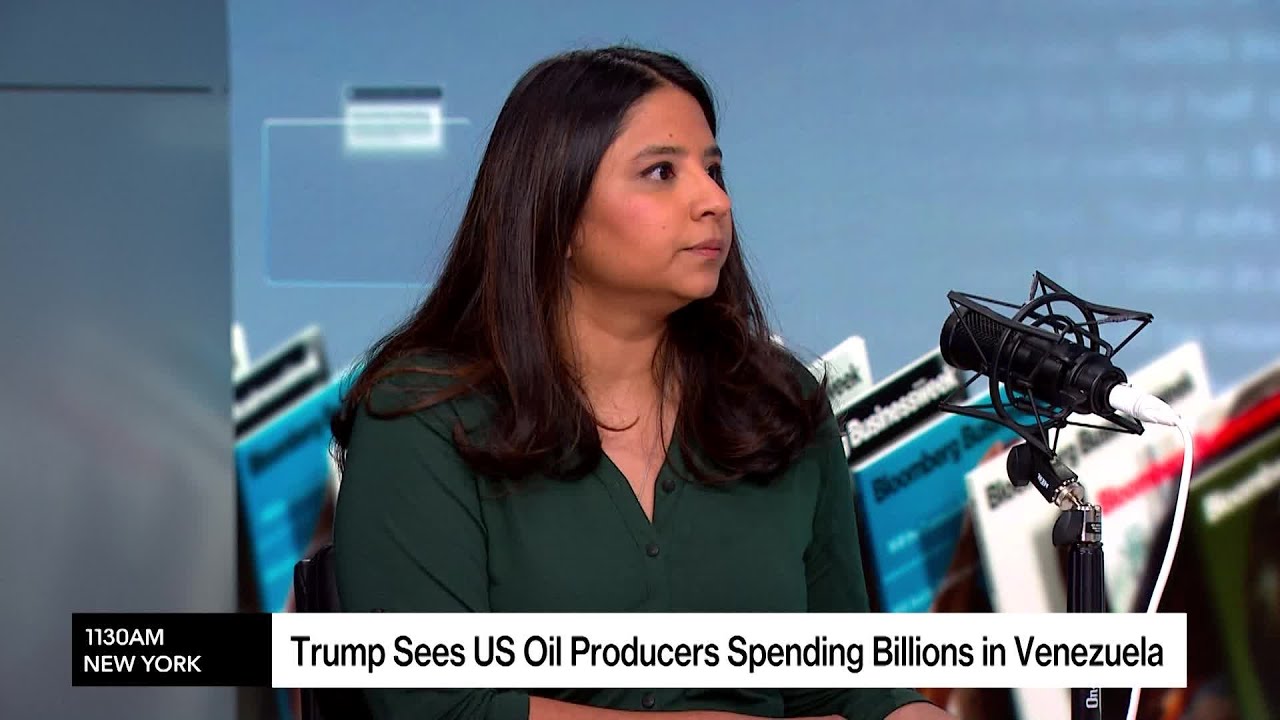
Bloomberg's Devika Krishna Kumar breaks down the high cost of rebuilding Venezuela's oil infrastructure and the part that oil companies are expected to play in the fallout from the Trump administration's arrest of Venezuelan leader Nicolas Maduro.
US Energy Secretary Chris Wright plans to talk this week with oil-industry executives about reviving Venezuela’s energy sector following the capture of President Nicolás Maduro, according to people familiar with the matter.
Wright will attend the Goldman Sachs Energy, Clean Tech & Utilities Conference in Miami this week that executives from Chevron Corp., ConocoPhillips and other companies are scheduled to attend. Chevron is the only oil supermajor still operating in Venezuela.
US President Donald Trump is banking that US oil companies will step in to revive production in Venezuela after years of corruption, underinvestment and neglect have ravaged output. Crude producers, however, are apt to move cautiously.
Venezuela sits atop the world’s largest reserves, but experts estimate that rebuilding the nation’s energy infrastructure will require about $10 billion per year of investment over the next decade.
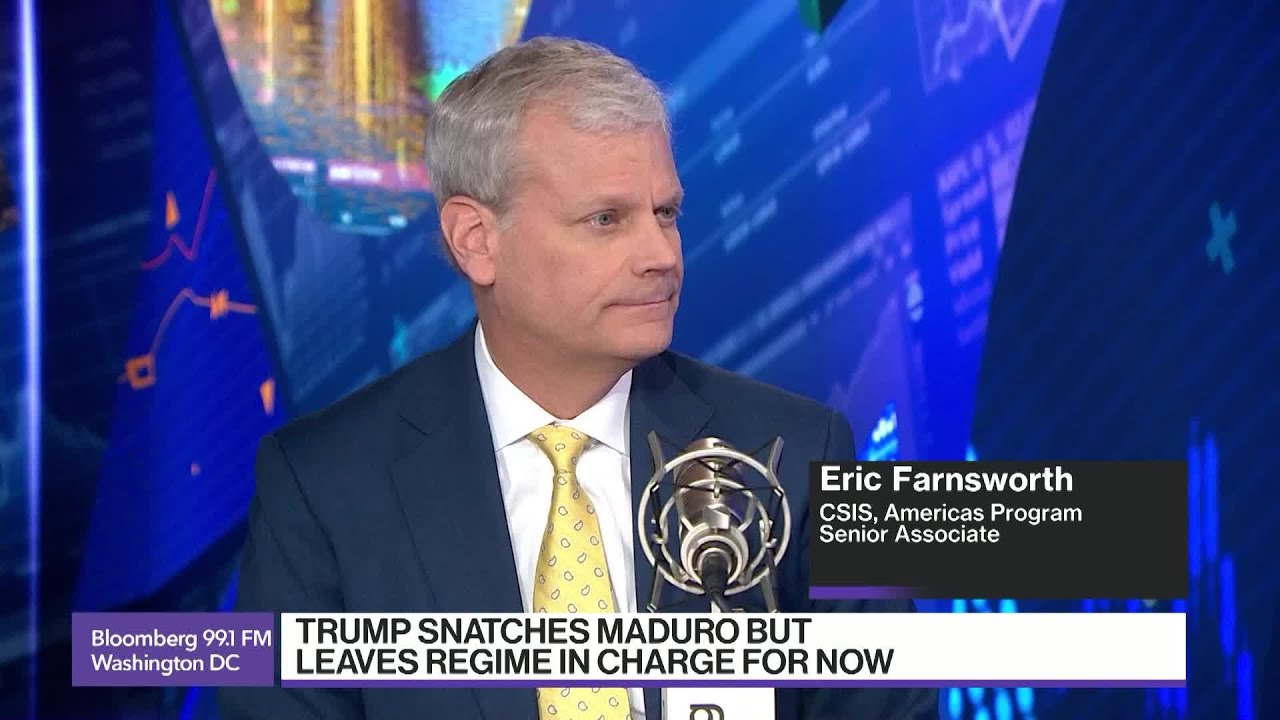
The US raid that captured Venezuelan President Nicolas Maduro put America’s allies and adversaries on notice: President Donald Trump has a new world order of his own.
In the aftermath of the stunning late night operation that saw Maduro and his wife whisked from a guarded military base near Caracas to a New York jail, Trump demonstrated just how far the US is willing to go to eliminate a leader seen as a threat to American interests and security.
“The future will be determined by the ability to protect commerce and territory and resources that are core to national security,” Trump said in his news conference announcing Maduro’s capture. “These are the iron laws that have always determined global power, and we’re going to keep it that way.”
The toppling of Maduro will be seen as “a stark lesson in power politics,” Sun Chenghao, a fellow at Tsinghua University’s Center for International Security and Strategy, said in an interview. For global peers such as China, the move “accelerates a broader trend toward a reconfigured global order,” he added.
With Maduro awaiting trial in a New York jail, Trump wasted no time fueling speculation about where his next targets might be. They included Cuba, which suddenly lost its most important benefactor with Maduro’s jailing — “We want to help the people” there, Trump said Saturday — as well as a warning for Colombian President Gustavo Petro, who should “watch his ass.” Then there’s Greenland, part of NATO-ally Denmark’s territory.
“We need Greenland from a national security situation," Trump said Sunday aboard Air Force One, adding that “Denmark is not going to be able to do it.”
Denmark's prime minister denounced the notion, saying the US “has no right to annex” any of its territory. On Monday, she warned that any attempt to take it by force would mean the end of the NATO alliance.
While a US military attack on an Arctic territory still seems farfetched, it’s hard to rule anything out now. The military isn’t the only tool at Trump’s disposal: he’s shown he’ll unleash trade sanctions and tariffs as pressure to achieve political goals. And Trump’s aides — particularly Vice President JD Vance — haven’t been afraid of signaling support for European opposition parties they think would better run the continent.
As much as the latest events seemed to contrast with Trump’s previous “peacemaker” claims, it dovetailed with the far more muscular approach to the presidency that he’s demonstrated in his second term. That includes his deployment of the National Guard to cities across the US and embrace of a campaign to force millions of immigrants out of the US.
The Venezuela mission — done without consulting allies or with clear outlines of what comes next in the South American nation — cemented the understanding that Trump moves first and sorts out details later.
--------
Watch Bloomberg Radio LIVE on YouTube
Weekdays 7am-6pm ET
Follow us on X
Subscribe to our Podcasts:
Bloomberg Daybreak
Bloomberg Surveillance
Bloomberg Intelligence
Balance of Power
Bloomberg Businessweek
Listen on Apple CarPlay and Android Auto with the Bloomberg Business app:
Apple CarPlay
Android Auto
Visit our YouTube channels:
Bloomberg Podcasts
Bloomberg Television
Bloomberg Originals
Sentinel Indexing in Progress
Metadata and chapters are available. Claim extraction for this episode is pending.
All video content is delivered via YouTube embedded players in accordance with the YouTube Terms of Service. Sentinel provides research tools that promote discovery and accountability across political media.