Bloomberg Podcasts
@bloombergpodcasts·503K subscribers·32.4K videos
TikTok Saga Sputters Toward Understated Ending
Posted
January 8, 2026
Views
2,712
Likes
30
Comments
7
Engagement
1.36%
January 8, 2026
2,712
30
7
1.36%
Every word spoken in this episode is indexed. Type any phrase to jump straight to the moment it was said.
Type any word or phrase that may have been spoken. Click a result to seek the player to that exact moment.
Try a name, a topic, or a quoted line
See what was published immediately before and after this episode.
 7:36Now Playing
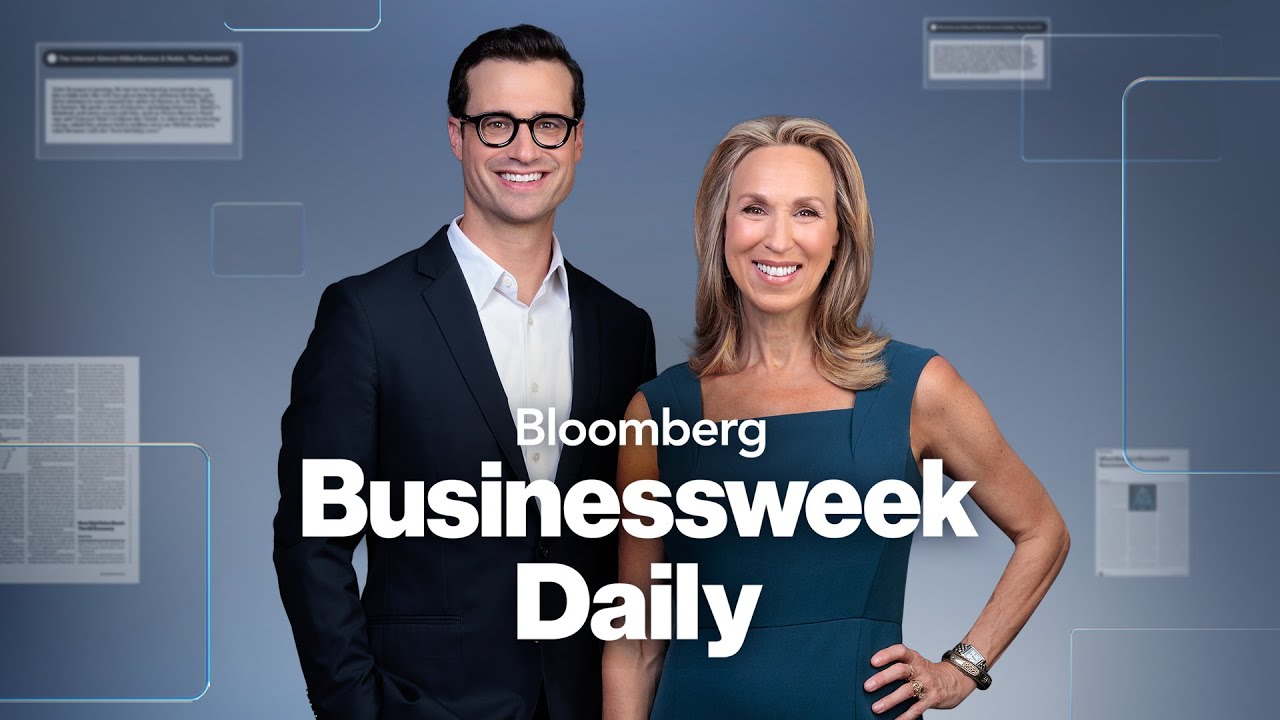
The status of TikTok's US deal is relatively little changed one year after a tedious saga began over whether the app should stay in the US, or go, for national security reasons. Just before the end of 2025, Bloomberg exclusively reported that TikTok said it signed agreements for a US joint venture majority-owned by American investors, according to an internal memo reviewed by Bloomberg. That deal is expected to close in two weeks despite falling short of what the law requires, which is a clean break from its Chinese owner ByteDance Ltd. The deal also largely recycles a prior national security proposal that fizzled out under former President Joe Biden. So, what comes next for the platform and its users (and their data), and what remains to be seen when it comes to national security concerns? Bloomberg News Technology Reporter Alexandra Levine joins Bloomberg Businessweek Daily to discuss. She speaks with Carol Massar and Tim Stenovec.
A tick tock on TikTok shows just how little has actually changed as we near the end of this turbulent, tedious saga on whether the app should stay in the US, or go, for national security reasons.
Exactly one year ago, I was on my way to DC to cover the Supreme Court hearing on whether the TikTok divest-or-ban law should stand. The court said it should. The law took effect. President Donald Trump chose not to enforce it, saying he wanted more time to find a solution. Then he kicked the can again. And again. And again.
At a certain point, it became tough to remember who needed to do what and by when. Small businesses, big brands, content creators and ordinary Americans stopped caring. The company carried on business as usual, with the app expanding into new spaces and becoming more deeply entrenched in our lives with each passing day.
Just before the holidays, I scooped that a deal to save TikTok US had been reached. It’s expected to close in two weeks – a full calendar year later – despite falling short of what the law requires (a clean break from Chinese owner ByteDance Ltd.) and largely copy-pasting a prior national security proposal that flopped under former President Joe Biden.
So at least by my count, we haven’t come very far at all. That might be because the political will to go after TikTok has mostly dwindled.
The government’s most outspoken advocates for action on TikTok have more than moved on with bigger fish to fry – like Secretary of State Marco Rubio, who is now shoulder-deep steering on Venezuela, but was previously the lead senator on bipartisan legislation to ban TikTok, and Federal Communications Commission Chairman Brendan Carr, who’s gone silent on this pet issue and spent recent months defending his controversial decision to yank late-night TV host Jimmy Kimmel off the air.
Even the House China Committee, whose Republican Chairman John Moolenaar said in September that he’d hold a hearing on the TikTok agreement in 2026, has nothing on the calendar before the deal closes on Jan. 22.
If this is, indeed, the end of the line (famous last words) for this yearslong geopolitical and regulatory mess, where we’ve landed may raise more concerns about TikTok than existed to begin with. Topping that list is the potential for the US government to have some level of involvement in what Americans see on the popular video app and a sweeping ability to access information about them — not unlike the Chinese government does through TikTok in China, known there as Douyin. The deal for a majority American ownership group is also stacked with Trump allies who may have influence over the app.
“US users of TikTok can now trade in their concerns about Chinese propaganda for concerns about US and UAE propaganda,” David Greene and Eva Galperin, directors of the advocacy group Electronic Frontier Foundation, said in an email.
--------
Watch Bloomberg Radio LIVE on YouTube
Weekdays 7am-6pm ET
Follow us on X
Subscribe to our Podcasts:
Bloomberg Daybreak
Bloomberg Surveillance
Bloomberg Intelligence
Balance of Power
Bloomberg Businessweek
Listen on Apple CarPlay and Android Auto with the Bloomberg Business app:
Apple CarPlay
Android Auto
Visit our YouTube channels:
Bloomberg Podcasts
Bloomberg Television
Bloomberg Originals
Sentinel Indexing in Progress
Metadata and chapters are available. Claim extraction for this episode is pending.
All video content is delivered via YouTube embedded players in accordance with the YouTube Terms of Service. Sentinel provides research tools that promote discovery and accountability across political media.