Bloomberg Podcasts
@bloombergpodcasts·503K subscribers·32.4K videos
Supreme Court Doesn't Rule on Tariffs, Delaying Decision By at Least a Week
Posted
January 15, 2026
Views
36,434
Likes
348
Comments
149
Engagement
January 15, 2026
36,434
348
149
1.36%
Every word spoken in this episode is indexed. Type any phrase to jump straight to the moment it was said.
Type any word or phrase that may have been spoken. Click a result to seek the player to that exact moment.
Try a name, a topic, or a quoted line
See what was published immediately before and after this episode.
 8:06Now Playing
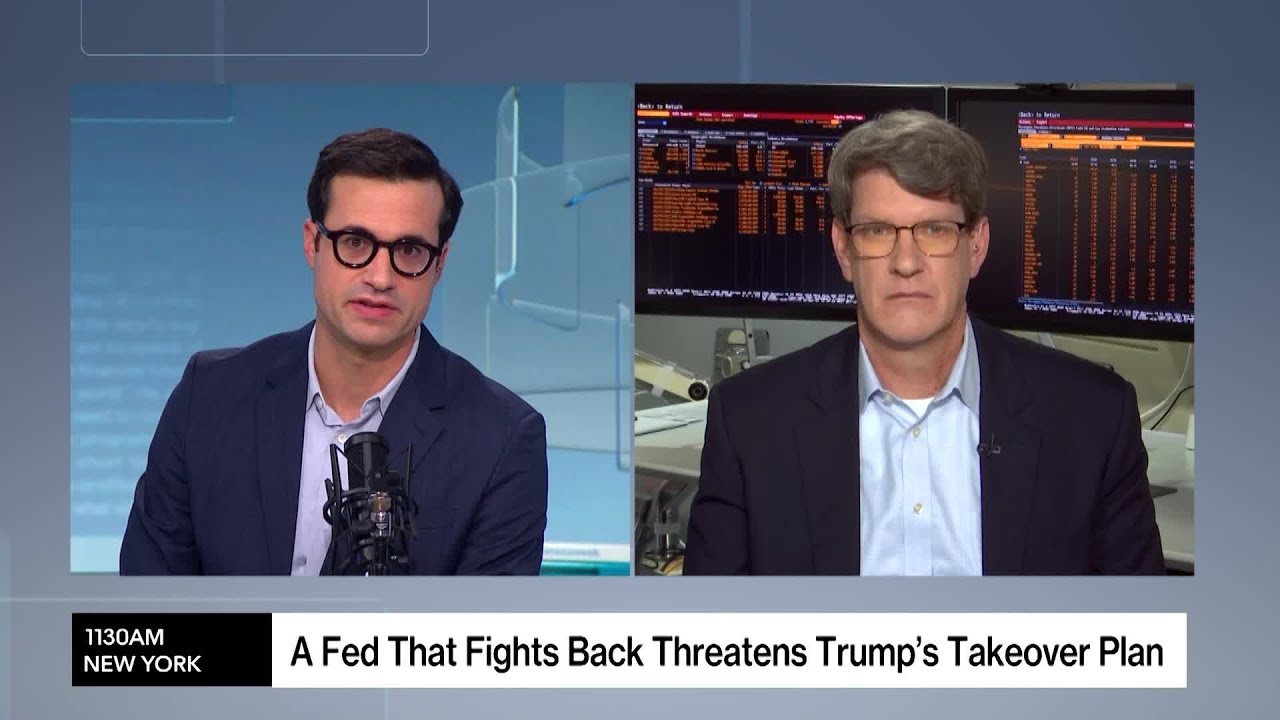
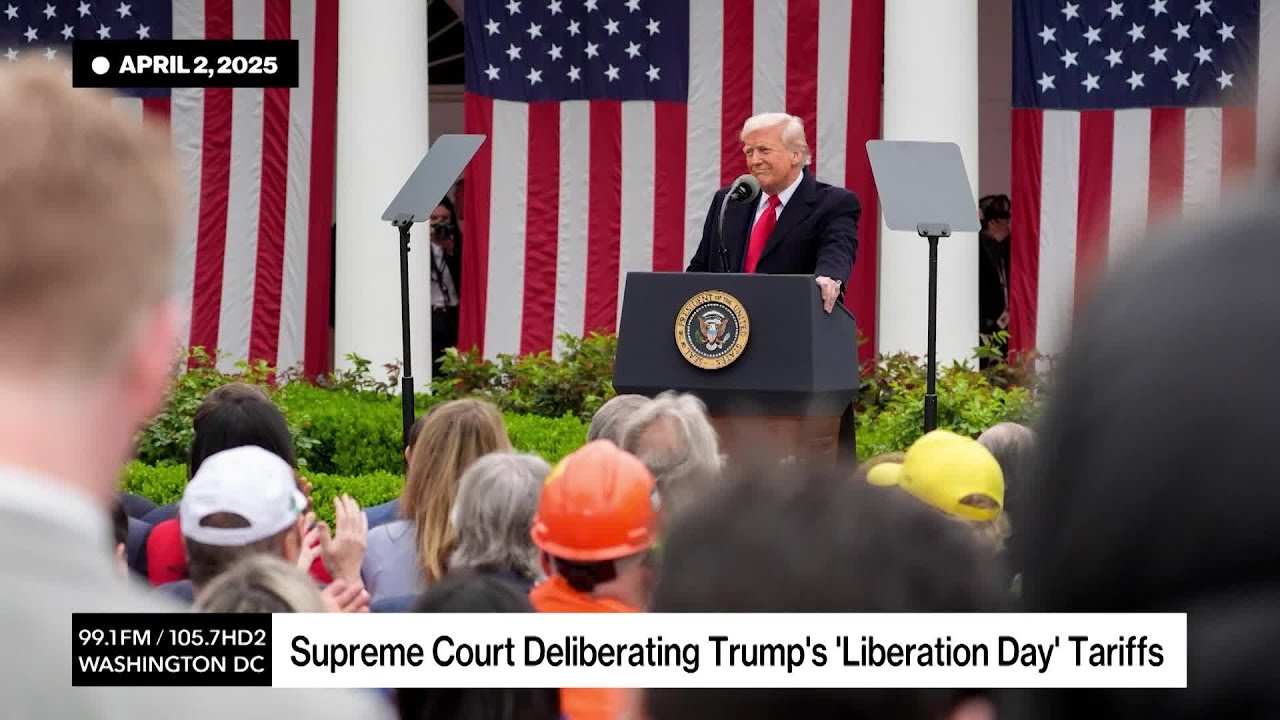
The US Supreme Court didn’t rule on challenges to President Donald Trump’s tariffs Wednesday, leaving the world to wait until at least next week to learn the fate of his signature economic policy. The court hasn’t said when it will issue its next opinions but could schedule more decisions on Tuesday or Wednesday, when the justices again are in session. Matt Hornbach, Global Head of Macro Strategy at Morgan Stanley, joins Bloomberg Businessweek Daily to discuss. Hornbach and his team recently published a note about potential tariff ruling scenarios, including what the US Treasury's financing needs could be in the case of refunds. Hornbach speaks with Carol Massar and Tim Stenovec.
The fate of the majority of President Donald Trump’s tariffs is in the hands of the US Supreme Court, which is expected to rule sometime in the next few months on the legality of the sweeping levies. Lower courts ruled in 2025 that the tariffs were issued illegally, but the import taxes remained in place to allow the Trump administration to make its case before the Supreme Court.
At a hearing on Nov. 5, the justices appeared skeptical that Trump had the authority to unilaterally impose tariffs under a 1977 law that gives the president special powers during emergency situations. The court doesn’t disclose in advance when it will hand down decisions.
A ruling against Trump on tariffs would undercut the president’s signature economic policy and deliver his biggest legal defeat since returning to the White House. It also would set the stage for potentially complicated legal fights over refunds of billions of dollars in tariffs paid so far by US importers, with more than 1,000 companies already lined up in court.
Which tariffs are under threat?
At issue are the tariffs Trump imposed by invoking the International Emergency Economic Powers Act (IEEPA).
They include a minimum baseline tariff of 10%, with some exceptions; so-called reciprocal tariffs ranging from 10% to 41% on goods from countries that failed to reach trade deals with the US; and extra levies on some imports from Mexico, China and Canada that Trump said were justified by the fentanyl crisis in the US.
The Supreme Court case doesn’t touch upon the duties imposed on certain product categories using different legal foundations. For example, the Trump administration has put in place levies on steel, aluminum, automobiles, copper products and lumber by harnessing Section 232 of the 1962 Trade Expansion Act. Those tariffs depend on Commerce Department investigations that concluded that imports of such products pose a national security risk.
Of the roughly $171 billion in revenue that new tariffs generated for the US Treasury through Dec. 14, about $134 billion, or 78%, were the result of IEEPA-based levies, according to Bloomberg Economics.
What powers does the president have to impose tariffs?
Article 1 of the US Constitution gives Congress the power to levy taxes and duties, and to “regulate commerce with Foreign Nations.” But lawmakers have for decades delegated parts of their power over trade via various bits of legislation, most of which allow presidents to deploy tariffs only for limited reasons.
While Trump tested the boundaries of those powers in his first term, this time around, he invoked what he claimed were virtually unlimited powers under IEEPA to impose tariffs via executive orders. The 1977 law had never been used for this purpose and doesn’t mention tariffs.
IEEPA grants the president authority over a variety of financial transactions during certain emergencies, although the typical tool is sanctions. Trump cited US trade deficits with other countries and drug trafficking at the US border as national emergencies that allowed him to invoke the law to impose tariffs.
--------
Watch Bloomberg Radio LIVE on YouTube
Weekdays 7am-6pm ET
Follow us on X
Subscribe to our Podcasts:
Bloomberg Daybreak
Bloomberg Surveillance
Bloomberg Intelligence
Balance of Power
Bloomberg Businessweek
Listen on Apple CarPlay and Android Auto with the Bloomberg Business app:
Apple CarPlay
Android Auto
Visit our YouTube channels:
Bloomberg Podcasts
Bloomberg Television
Bloomberg Originals
Sentinel Indexing in Progress
Metadata and chapters are available. Claim extraction for this episode is pending.
All video content is delivered via YouTube embedded players in accordance with the YouTube Terms of Service. Sentinel provides research tools that promote discovery and accountability across political media.