Bloomberg Podcasts
@bloombergpodcasts·503K subscribers·32.4K videos
Gold Slump Eases as Traders Weigh Unwinding of ‘Crowded’ Bets
Posted
February 2, 2026
Views
18,693
Likes
108
Comments
14
Engagement
February 2, 2026
18,693
108
14
0.65%
Every word spoken in this episode is indexed. Type any phrase to jump straight to the moment it was said.
Type any word or phrase that may have been spoken. Click a result to seek the player to that exact moment.
Try a name, a topic, or a quoted line
 6:11Now Playing
James Steel, Chief Precious Metals Analyst at HSBC, reacts to the overnight decline in gold and silver.
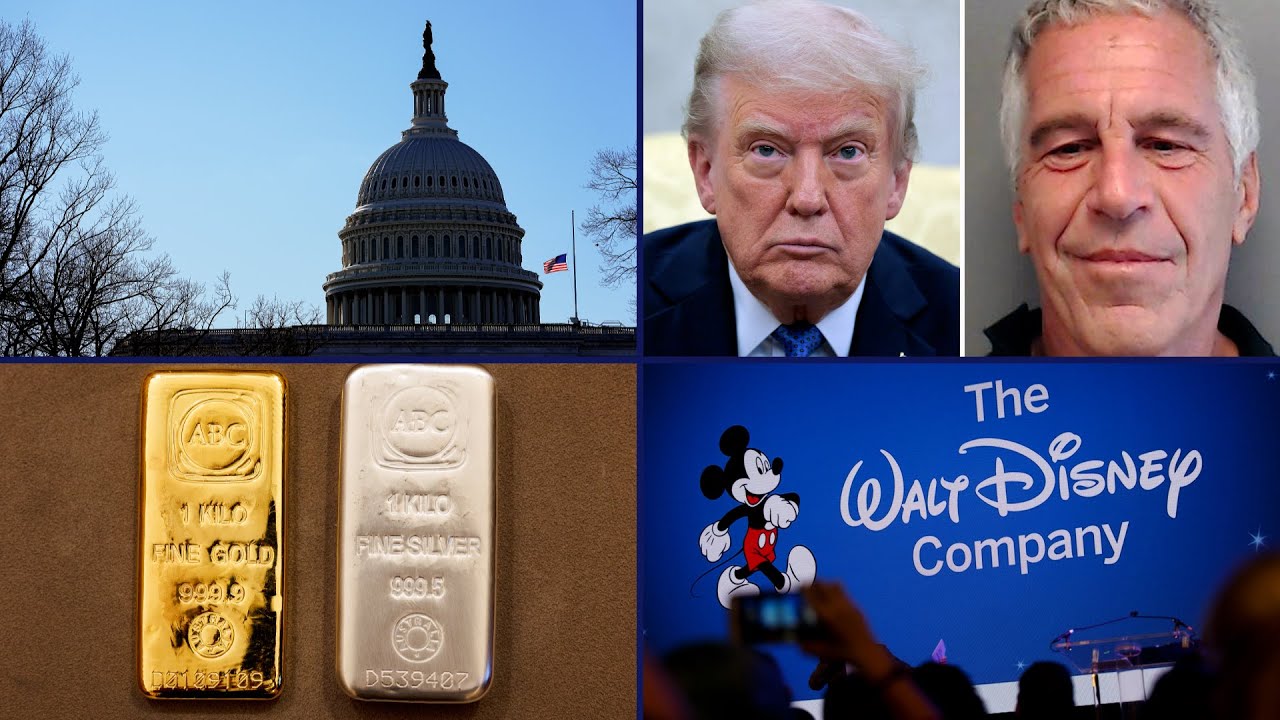
Precious metals clawed back some losses after another heavy selloff in Asian trading hours, as traders took stock of the abrupt unwinding of a record-breaking rally.
Spot gold fell by about 4%, after tumbling 10% earlier, extending its biggest slump in more than a decade on Friday. Silver dipped by 6%, after sliding 16% earlier and posting a record intraday drop on Friday.
Precious metals had risen to record highs that shocked even seasoned traders. An already-scorching rally accelerated sharply in January, as investors piled into gold and silver on renewed concerns about geopolitical turmoil, currency debasement and threats to the Federal Reserve’s independence. A wave of buying from Chinese speculators added froth to the rally.
“The bottom line is that the trade was way too crowded,” said Robert Gottlieb, a former precious metals trader at JPMorgan Chase & Co. and now an independent market commentator, adding that a reluctance to take further risks would constrain market liquidity.
The trigger for Friday’s dramatic selloff was the news that US President Donald Trump would nominate Kevin Warsh to lead the Fed, which sent the dollar higher and undercut sentiment among investors who had bet on Trump’s willingness to let the currency weaken. Traders regard Warsh, later confirmed as the nominee, as the toughest inflation fighter among the final candidates, raising expectations of tighter monetary policy that would underpin the dollar and weaken greenback-priced bullion.
Chinese traders had reliably driven prices higher in recent weeks, but that flipped on Friday, with gold and silver falling through in the Asian session. That dynamic continued Monday, with precious metals coming under pressure as the Shanghai night market opened at 1 p.m. London time.
The extent to which Chinese investors buy the dips will play a key role in determining the direction of the market from here. Over the weekend, buyers flocked to the country’s biggest bullion marketplace in Shenzhen to stock up on gold jewelry and bars ahead of the Chinese New Year.
“The combination of heightened volatility and the proximity of the Lunar New Year will prompt traders to trim positions and reduce risk,” said Zijie Wu, an analyst at Jinrui Futures Co. At the same time — particularly in peak buying season — the pullback in prices is likely to support retail demand in China, he said.
Early signs of stabilization in gold prices had already emerged on Monday morning, supported by stronger demand from retail buyers for physical bars and coins, according to Dominik Sperzel, head of trading for major bullion refiner Heraeus Precious Metals.
The bulk of forced sales through quant fund deleveraging, leveraged ETFs and trend follower positioning may have already hit the tapes, said Daniel Ghali, senior commodity strategist at TD Securities. In the near term, retail pyschology remains key to gold prices “considering the scale of retail purchases have dwarfed those from central banks,” said Ghali.
In recent years, central banks have piled into gold, valued as a reserve asset partly because it cannot be frozen by hostile powers. Their purchases helped kick off bullion’s multiyear streak of gains, although they were eventually overtaken by retail and other institutional investors as the most important players in the market. Still, the presence of large, determined buyers reassures some investors that there is a stable source of support for prices.
“Gold’s thematic drivers remain positive,” Michael Hsueh, an analyst at Deutsche Bank AG, said in a note. Current conditions “do not appear primed for a sustained reversal in gold prices,” he said, reiterating a target price of $6,000 an ounce.
Silver, on the other hand, is a much smaller and more volatile market than gold and is sometimes dubbed the devil’s metal because of its wild swings. “Silver is always a death trap,” said Rhona O’Connell, head of market analysis at StoneX Financial Ltd.
--------
Watch Bloomberg Radio LIVE on YouTube
Weekdays 7am-6pm ET
Follow us on X
Subscribe to our Podcasts:
Bloomberg Daybreak
Bloomberg Surveillance
Bloomberg Intelligence
Balance of Power
Bloomberg Businessweek
Listen on Apple CarPlay and Android Auto with the Bloomberg Business app:
Apple CarPlay
Android Auto
Visit our YouTube channels:
Bloomberg Podcasts
Bloomberg Television
Bloomberg Originals
Sentinel Indexing in Progress
Metadata and chapters are available. Claim extraction for this episode is pending.
All video content is delivered via YouTube embedded players in accordance with the YouTube Terms of Service. Sentinel provides research tools that promote discovery and accountability across political media.