Bloomberg Podcasts
@bloombergpodcasts·503K subscribers·32.4K videos
Xero CEO: Our Company Can't Be Easily Cloned With AI
Posted
February 6, 2026
Views
1,895
Likes
15
Comments
3
Engagement
0.95%
February 6, 2026
1,895
15
3
0.95%
Every word spoken in this episode is indexed. Type any phrase to jump straight to the moment it was said.
Type any word or phrase that may have been spoken. Click a result to seek the player to that exact moment.
Try a name, a topic, or a quoted line
 6:44Now Playing
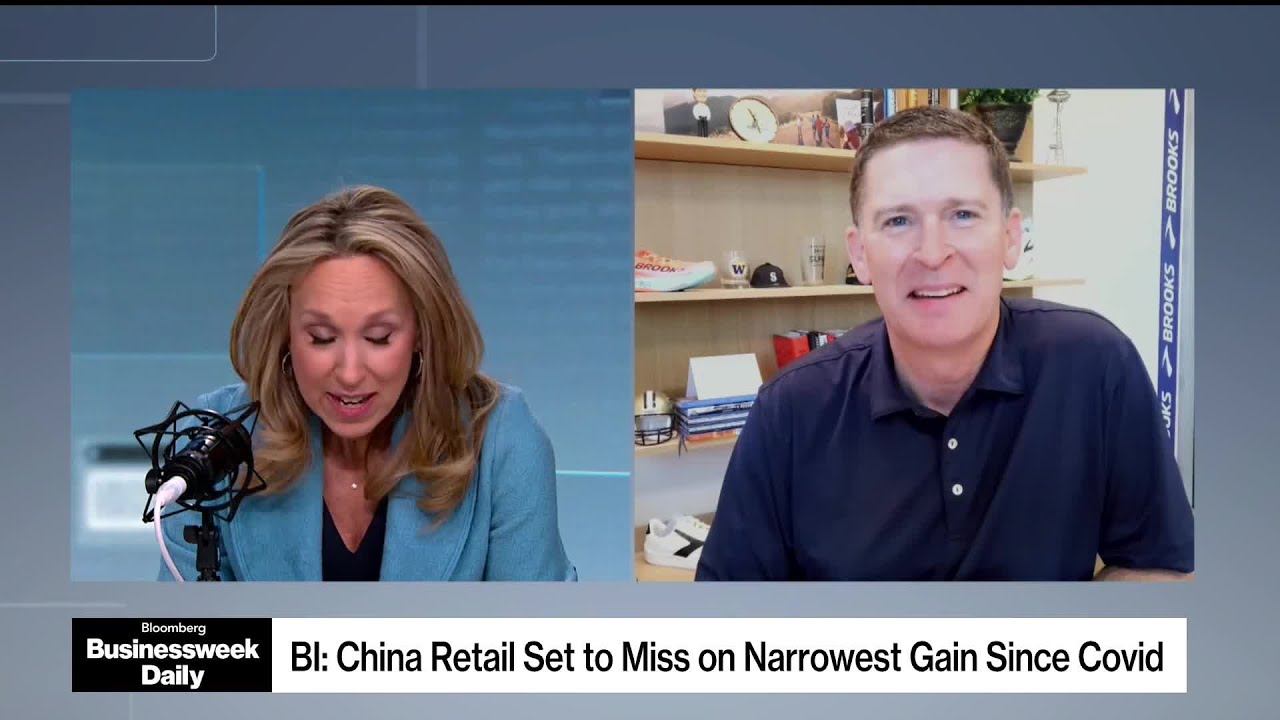
Sukhinder Singh Cassidy, CEO of Xero, joins Bloomberg Businessweek Daily to discuss how the firm's small business tools won't be overtaken, but rather enhanced by AI. Cassidy mentions that Xero sees AI as a net benefit for its product suite because the firm builds its LLM "on the back of" AI models. Her comments come as AI fears consume investors in software stocks. Cassidy speaks with Carol Massar and Tim Stenovec.
Four of the biggest US technology companies together have forecast capital expenditures that will reach about $650 billion in 2026 — a mind-boggling tide of cash earmarked for new data centers and all the gear housed within them.
The spending planned by Alphabet Inc., Amazon.com Inc., Meta Platforms Inc. and Microsoft Corp., all in pursuit of dominance in the still-nascent market for AI tools, is a boom without a parallel this century. Each of the companies’ estimates for this year is expected either near or surpass their budgets for the past three years combined. They would set a high-water mark for capital spending by any single corporation in any one of the past 10 years, according to Bloomberg data.
The search for a comparison to the spending projections — which came as the four reported earnings in the past two weeks — requires going back at least as far as the telecommunications bubble of the 1990s, and perhaps to the build-out of the US railroad networks in the 19th century, the postwar federal investments in interstate highways or New Deal-era relief programs.
The ever-larger numbers — in total, an estimated 60% increase from a year ago — means yet another acceleration in the wave of data center construction taking place around the world and in the financing boom required to pay for all of it. The sprint to build these sprawling facilities, which hold racks of humming servers powered by expensive processors, has touched off an unprecedented level of borrowing, pinched energy supplies and brought developers into conflict with communities worried about rising power and water costs.
It also raises the risk that construction spending by a narrow set of affluent companies, already accounting for a rising share of economic activity in the US, will distort big-picture economic data.
The four companies “see the race to provide AI compute as the next winner-take-all or winner-takes-most market,” said Gil Luria, an analyst at DA Davidson. “And none of them is willing to lose.” Last week, Meta said full-year capex will rise to as much as $135 billion — a potential jump of about 87%. Microsoft the same day reported a 66% increase in second-quarter capital spending, topping estimates, and analysts project it will shell out almost $105 billion in capex for the fiscal year ending in June. The news triggered the second-biggest single-day decline in market value for any stock.
By contrast, the largest US-based automakers, construction equipment manufacturers, railroads, defense contractors, wireless carriers, parcel delivery outfits, along with Exxon Mobil Corp., Intel Corp., Walmart Inc. and the spun-off progeny of General Electric — 21 companies — are projected to spend a combined $180 billion in 2026, according to estimates compiled by Bloomberg.
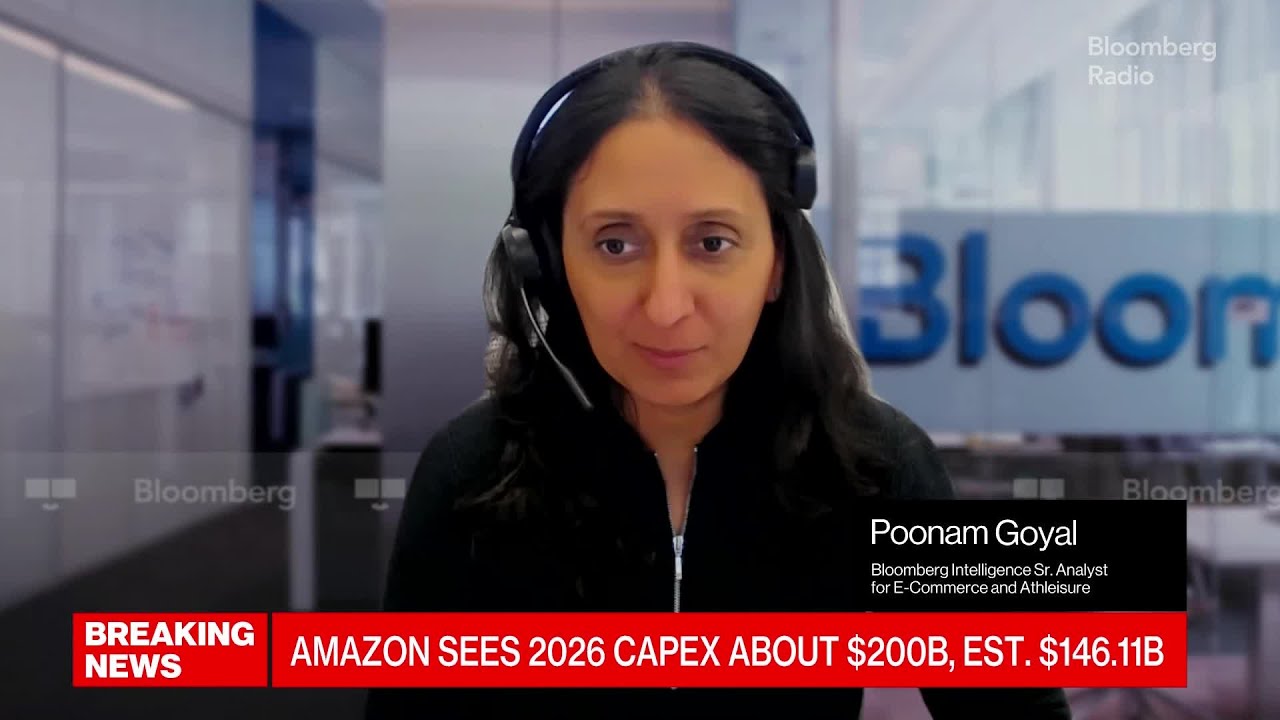
Alphabet, founded in a garage south of San Francisco in 1998, on Wednesday rattled investors when it revealed a capital spending forecast that exceeded not just analyst estimates, but the spending of a vast swath of US industry — it plans to spend as much as $185 billion. And Amazon on Thursday bested that with a planned $200 billion in capital expenditures for 2026, also sending its shares tumbling.
Altogether, the four companies have lost well over $640 billion in market value since dropping their latest earnings and outlooks, with Amazon headed for more losses on Friday as its shares declined nearly 8% in early trading.
--------
Watch Bloomberg Radio LIVE on YouTube
Weekdays 7am-6pm ET
Follow us on X
Subscribe to our Podcasts:
Bloomberg Daybreak
Bloomberg Surveillance
Bloomberg Intelligence
Balance of Power
Bloomberg Businessweek
Listen on Apple CarPlay and Android Auto with the Bloomberg Business app:
Apple CarPlay
Android Auto
Visit our YouTube channels:
Bloomberg Podcasts
Bloomberg Television
Bloomberg Originals
Sentinel Indexing in Progress
Metadata and chapters are available. Claim extraction for this episode is pending.
All video content is delivered via YouTube embedded players in accordance with the YouTube Terms of Service. Sentinel provides research tools that promote discovery and accountability across political media.