
Bloomberg Podcasts
@bloombergpodcasts·503K subscribers·32.4K videos
Treasuries Fall as Jobs Data Curb Bets on Fed Cuts
Posted
February 11, 2026
Views
11,352
Likes
156
Comments
30
Engagement
1.64%
February 11, 2026
11,352
156
30
1.64%
Every word spoken in this episode is indexed. Type any phrase to jump straight to the moment it was said.
Type any word or phrase that may have been spoken. Click a result to seek the player to that exact moment.
Try a name, a topic, or a quoted line
 8:01Now Playing
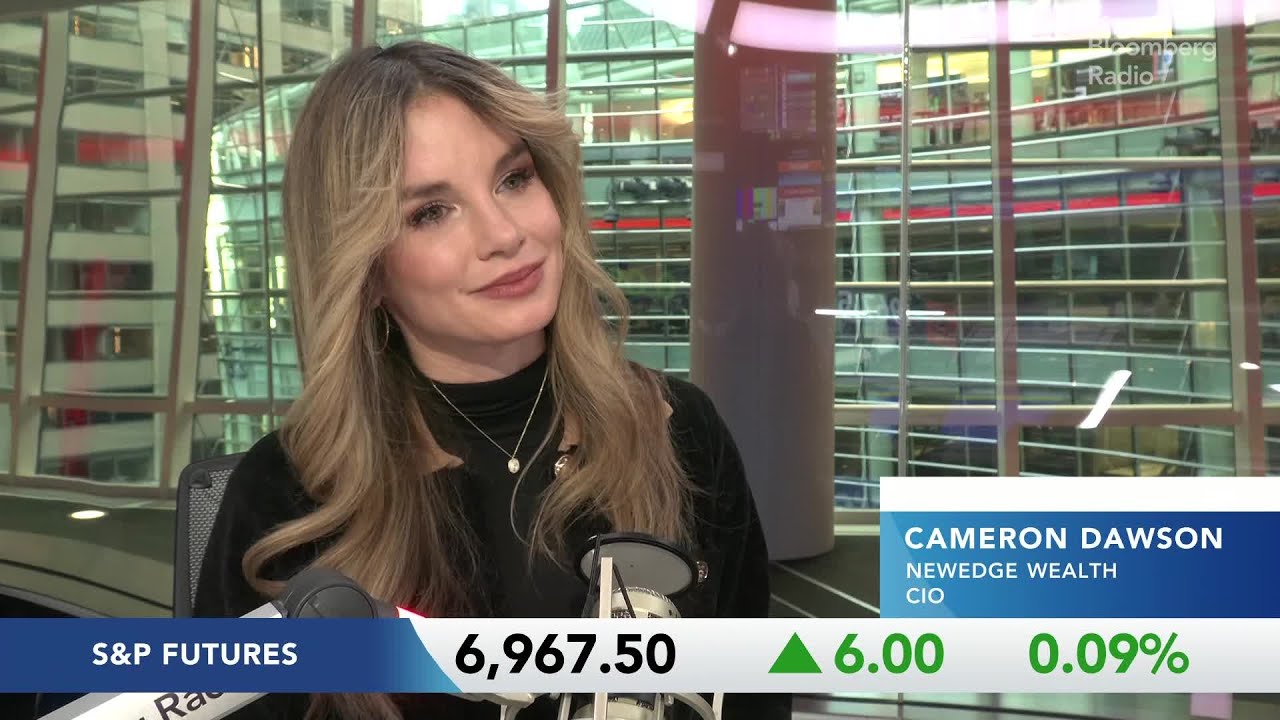
Cameron Dawson, Chief Investment Officer at NewEdge Wealth, talks sector rotation and positioning risks.
A much stronger-than-anticipated US jobs report spurred a slide in Treasuries as traders trimmed bets on Federal Reserve rate cuts this year. An initial rally in stocks sputtered amid a selloff in software companies.
The yield on 10-year Treasuries climbed three basis points to 4.17%. Money markets priced in the Fed’s next rate cut in July, from June previously. The S&P 500 was little changed after earlier getting closer to its all-time highs. A closely watched ETF tracking software giants tumbled about 3.5%. The dollar was little changed.
US payrolls rose in January by the most in more than a year and the unemployment rate unexpectedly fell, suggesting the labor market continued to stabilize.
Employers added 130,000 jobs last month and the unemployment rate slid to 4.3%. That followed revisions to the prior year, which showed a marked slowdown in hiring. Job gains averaged just 15,000 a month last year, down from the initially reported 49,000 pace.
“Markets may have been expecting a downshift in today’s numbers after last week’s soft data, but the jobs market hit the gas pedal instead,” said Ellen Zentner at Morgan Stanley Wealth Management. “Today’s data shows an acceleration in employment that was strong enough to drive unemployment lower.”
This is the kind of report investors should welcome — even if it gives the Fed more room to stay put, said Bret Kenwell at eToro.
“Still, it’s important to keep perspective: this is one data point, and it doesn’t erase the recent softness elsewhere in the data. But if the labor market is indeed stabilizing, that would be constructive for both the economy and the market,” he said.
The bigger implication may be for stocks given that a stronger job market will likely support the “broadening trade,” according to Brad Conger at Hirtle Callaghan. Worries about rising unemployment that prompted three rate cuts at the end of 2025, before a pause in January, were likely eased by numbers out Wednesday. Fed officials at last month’s policy meeting had already cited signs of stabilization as a reason to hold rates steady.
The material surprise in January’s report spells stabilization in the labor market, not reacceleration, according to Oscar Munoz and Gennadiy Goldberg at TD Securities.
“More evidence is necessary to make that assessment leap,” they said. “All told, a more constructive outlook for employment should allow the Fed to be more patient and shift its attention toward the inflation mandate.”
They still expect the Fed to cut rates by 75 basis points this year, however easing won’t be the result of worsening economic conditions, but rather the continued normalization of policy as inflation gradually makes inroads toward the 2% objective.
The release provides ammunition to the Fed hawks to maintain a patient approach to rate cuts, reinforcing the narrative of a stabilizing labor market, according to Angelo Kourkafas at Edward Jones.
“Markets have adjusted accordingly, with bond futures now fully pricing in a Fed cut by July instead of June. From a portfolio standpoint, we expect the 10‑year yield to drift back toward the middle of its 4%–4.5% range, and we believe the rotation toward ‘old economy’ and pro‑cyclical sectors should continue,” he said. The report pours cold water on the idea the Fed could cut rates again before mid-year and will fuel internal debate as to how restrictive policy is and how much slack there is in the labor market, according to Krishna Guha at Evercore.
“If January labor strength turns out to be noisy, we could still get to three cuts, but if it is sustained, getting the old Committee to three will be very hard,” he said.
Interest-rate swaps after the data showed traders see less than a 5% chance that policymakers lower rates when they meet in March. Traders have priced in a total of 54 basis points of policy easing by December, compared with 59 basis points on Tuesday.
--------
Watch Bloomberg Radio LIVE on YouTube
Weekdays 7am-6pm ET
Follow us on X
Subscribe to our Podcasts:
Bloomberg Daybreak
Bloomberg Surveillance
Bloomberg Intelligence
Balance of Power
Bloomberg Businessweek
Listen on Apple CarPlay and Android Auto with the Bloomberg Business app:
Apple CarPlay
Android Auto
Visit our YouTube channels:
Bloomberg Podcasts
Bloomberg Television
Bloomberg Originals
Sentinel Indexing in Progress
Metadata and chapters are available. Claim extraction for this episode is pending.
All video content is delivered via YouTube embedded players in accordance with the YouTube Terms of Service. Sentinel provides research tools that promote discovery and accountability across political media.