Bloomberg Podcasts
@bloombergpodcasts·503K subscribers·32.4K videos
Limiting Factor for The Growth of EV's is The Grid Says SparkCharge CEO
Posted
February 12, 2026
Views
405
Likes
10
Comments
1
Engagement
February 12, 2026
405
10
1
2.72%
Every word spoken in this episode is indexed. Type any phrase to jump straight to the moment it was said.
Type any word or phrase that may have been spoken. Click a result to seek the player to that exact moment.
Try a name, a topic, or a quoted line
 8:09Now Playing
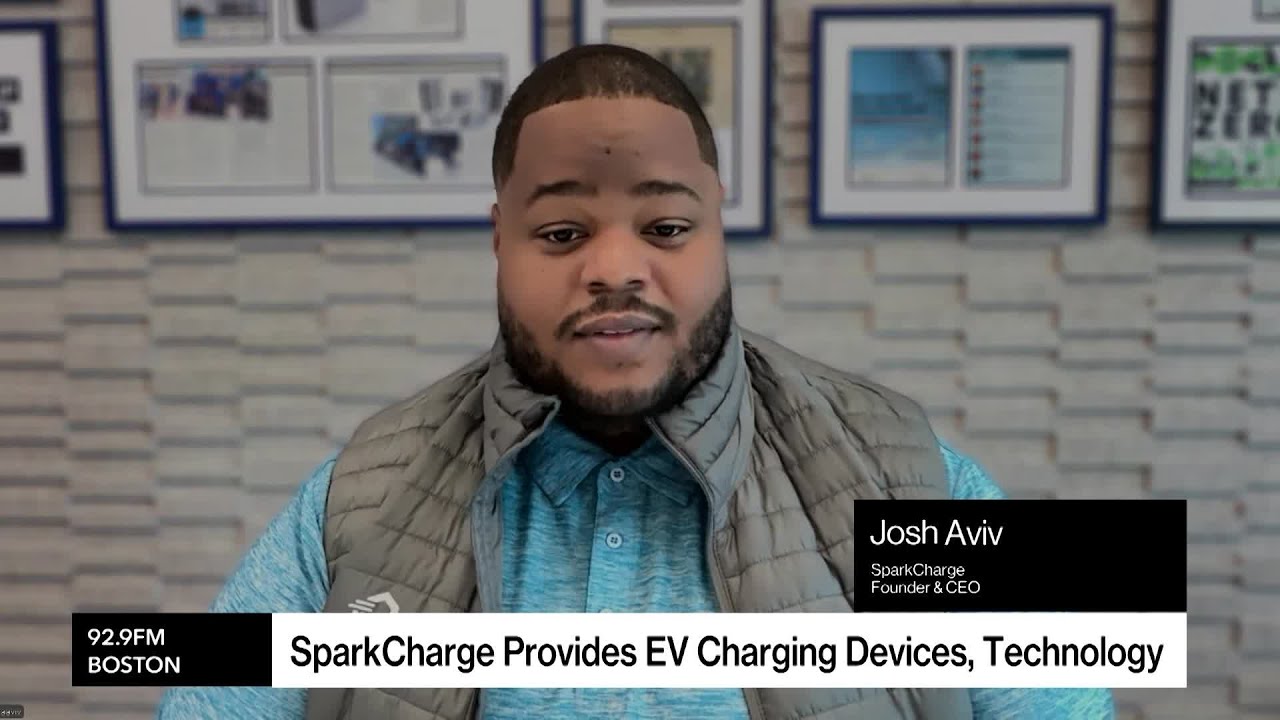
Josh Aviv, Founder and CEO of SparkCharge, joins Bloomberg Businessweek Daily to discuss the demand for electric vehicles and the state of America’s electric vehicle charging infrastructure buildout. As well as his thoughts on the recent news from the Environmental Protection Agency and how they are ending the federal government’s push to get auto manufacturers to install a start-stop feature in vehicles. Specialist EV charging tariffs can generate large savings, but outcomes vary widely by utility and rate design. Annual cost savings versus gasoline exceed $700 for most programs, while savings relative to peak and flat electricity tariffs are far smaller and uneven. EV-specific tariffs and separate meters generally outperform whole-home time-of-use rates, highlighting the importance of tariff structure in capturing charging flexibility. Utilities are increasingly using residential EV tariffs as a lever to push home
charging into off-peak hours and limit the need for new grid investment. In the
programs assessed, off-peak and on-peak EV rates diverge sharply, which can
create big savings for EV drivers. The tariffs can be complicated though; some
expose all household consumption to peak pricing and others require
installation of a second meter. Utilities will continue to experiment with time-ofuse rates but consumers will need to do the work to ensure switching is the best
option. Types of home charging tariffs
Time-of-use (TOU) pricing is the most common structure used in residential EV tariffs. These vary
the price of electricity by time of day, penalizing early evening use and rewarding overnight
charging. The exact structure varies, but the mechanism is consistent: provide enough of a
spread, and customers will move demand.
The most traditional TOU tariffs apply fixed rates to fixed time windows. Rates such as PG&E’s
EV2-A and DTE’s Overnight Savers apply the rate to the whole-home energy usage, while some
--------
Watch Bloomberg Radio LIVE on YouTube
Weekdays 7am-6pm ET
Follow us on X
Subscribe to our Podcasts:
Bloomberg Daybreak
Bloomberg Surveillance
Bloomberg Intelligence
Balance of Power
Bloomberg Businessweek
Listen on Apple CarPlay and Android Auto with the Bloomberg Business app:
Apple CarPlay
Android Auto
Visit our YouTube channels:
Bloomberg Podcasts
Bloomberg Television
Bloomberg Originals
Sentinel Indexing in Progress
Metadata and chapters are available. Claim extraction for this episode is pending.
All video content is delivered via YouTube embedded players in accordance with the YouTube Terms of Service. Sentinel provides research tools that promote discovery and accountability across political media.