Bloomberg Podcasts
@bloombergpodcasts·503K subscribers·32.4K videos
Trump: Alternatives Will Be Used to Replace Rejected Tariffs (Full Presser)
Posted
February 20, 2026
Views
3,389
Likes
66
Comments
21
Engagement
February 20, 2026
3,389
66
21
2.57%
Every word spoken in this episode is indexed. Type any phrase to jump straight to the moment it was said.
Type any word or phrase that may have been spoken. Click a result to seek the player to that exact moment.
Try a name, a topic, or a quoted line
 44:38Now Playing
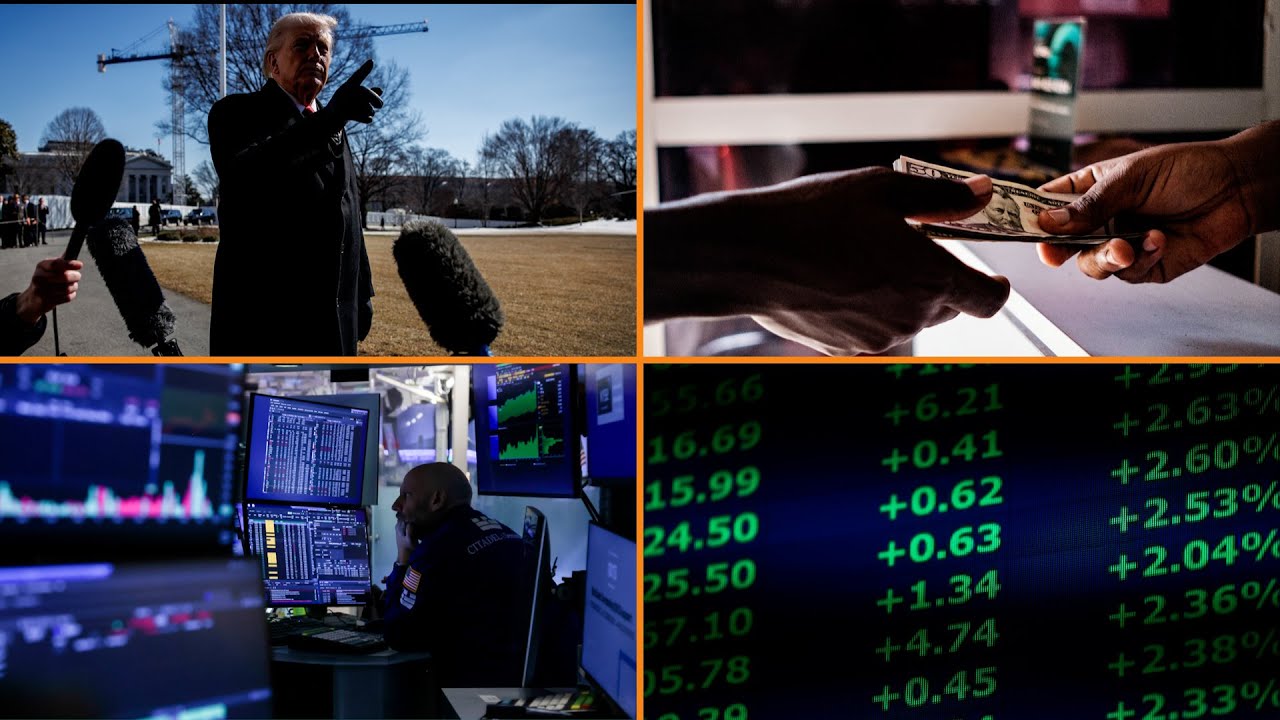
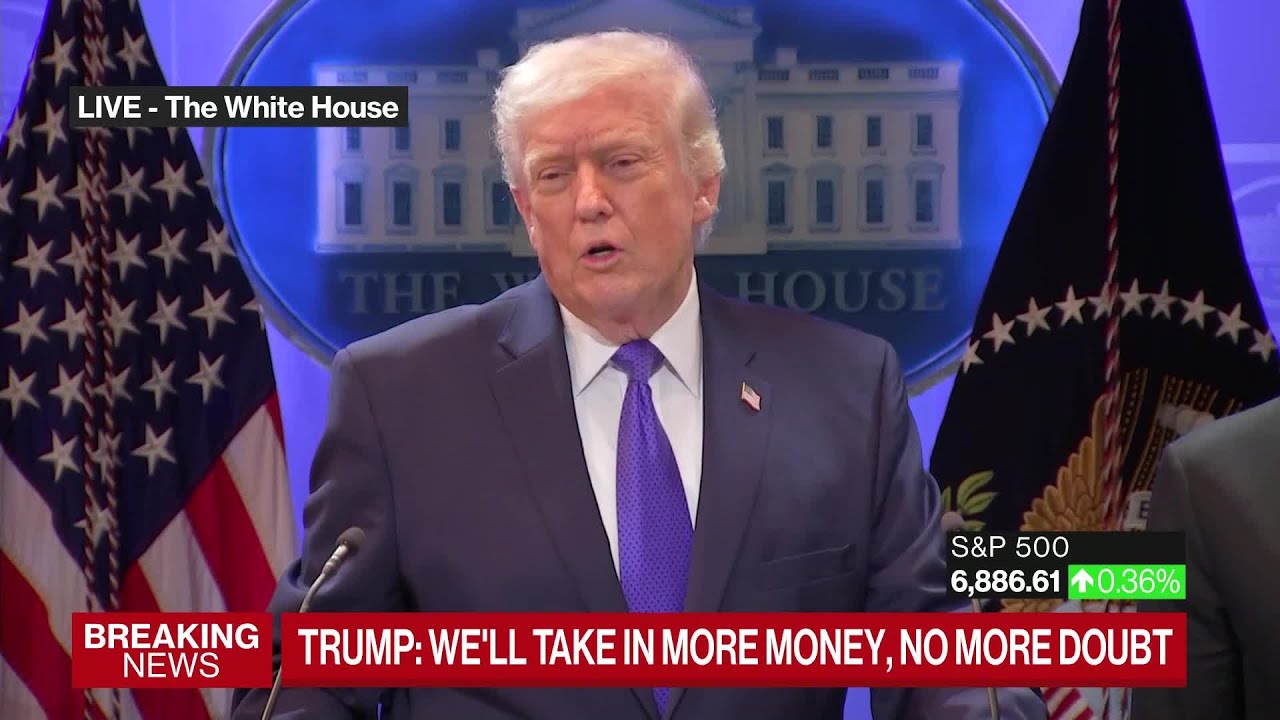
President Donald Trump rushed to salvage his signature tariffs after the Supreme Court struck down his global duties, pledging he would use different tools to work around the ruling and preserve import taxes he has cast as essential to his economic and foreign policy.
The president said Friday he planned to impose a flat 10% levy on foreign goods in the coming days, and that he would order a raft of trade investigations that should allow him to enact more permanent tariffs.
In a defiant and angry White House press conference hours after the decision, Trump vowed to forge ahead with his approach despite complaints from opponents who say it has undercut longtime trade partnerships and increased costs for Americans. The president has credited his tariff regime for driving substantial investments in the US and preventing foreign conflicts.
President Donald Trump said he would impose a 10% global tariff, over and above tariffs already being charged, under Section 122 and declared all national security tariffs under Section 232 and existing Section 301 tariffs to be in full force and effect. Trump spoke Friday at a White House press conference after the US Supreme Court struck down the Trump administration’s global tariffs.
Still, Trump’s evident frustration underscored the immense logistical and legal challenges he now faces. It also offered a tacit acknowledgment that his hand had been weakened, even as he vowed to continue pursuing trade deals and implementing existing pacts.
“The Supreme Court did not overrule tariffs, they merely overruled a particular use of IEEPA tariffs,” Trump told reporters, referencing the emergency authorities that the high court found illegal. “Now I’m going to go in a different direction, probably the direction that I should have gone the first time.”
Trump said he would pursue the baseline duty under Section 122 of the Trade Act of 1974, which grants the president unilateral ability to impose tariffs. But the untested legal provision puts a 150-day limit on how long the duties can remain in place. Trump said he expected the new baseline rate to go into effect “three days from now.”
A White House official later said that the 10% rate would apply to all countries with trade agreements while new tariff authorities are worked out.
Read more: Trump’s Global Tariffs Struck Down by US Supreme Court
Bond yields pared an earlier advance and stocks extended gains after Trump announced the plan for a 10% duty, which fell short of the maximum 15% charge he could have enacted for the next five months.
Trump also said existing tariffs under Section 301 and Section 232 would remain in place and vowed to launch additional investigations. The president has previously used those measures to levy Chinese exports, automobiles and metals. He suggested that those investigations could be carried out while the 10% baseline was in place, and eventually replace the flate rate — though he declined to rule out whether he might also seek an extension of the Section 122 levies. Trump said he was eyeing tariffs on foreign cars ranging from 15% to 30%.
The president’s plan to impose a 10% global duty could lift the average US effective tariff rate to 16.5% from 13.6%, or lower it to 11.4% if current exemptions are maintained, Bloomberg Economics estimated. Trump opened his remarks by delivering a broadside against the Supreme Court, saying he was “ashamed of certain members” and that some of the justices were “frankly a disgrace to our nation.”
The court ruled 6-3 that Trump had exceeded his authority by invoking a federal emergency-powers law to impose his so-called “reciprocal” tariffs across the globe, as well as targeted import taxes the administration has said address fentanyl trafficking. Two justices appointed by Trump in his first term — Neil Gorsuch and Amy Coney Barrett — joined the majority in striking down the tariffs.
The justices didn’t address the extent to which importers are entitled to refunds, leaving it to a lower court to sort out those issues.
--------
Watch Bloomberg Radio LIVE on YouTube
Weekdays 7am-6pm ET
Follow us on X
Subscribe to our Podcasts:
Bloomberg Daybreak
Bloomberg Surveillance
Bloomberg Intelligence
Balance of Power
Bloomberg Businessweek
Listen on Apple CarPlay and Android Auto with the Bloomberg Business app:
Apple CarPlay
Android Auto
Visit our YouTube channels:
Bloomberg Podcasts
Bloomberg Television
Bloomberg Originals
Sentinel Indexing in Progress
Metadata and chapters are available. Claim extraction for this episode is pending.
All video content is delivered via YouTube embedded players in accordance with the YouTube Terms of Service. Sentinel provides research tools that promote discovery and accountability across political media.