Bloomberg Podcasts
@bloombergpodcasts·503K subscribers·32.4K videos
February Jobs Report Shows 'Stagnating Labor Market,' Says Liz Pancotti
Posted
March 6, 2026
Views
3,642
Likes
55
Comments
6
Engagement
March 6, 2026
3,642
55
6
1.67%
Every word spoken in this episode is indexed. Type any phrase to jump straight to the moment it was said.
Type any word or phrase that may have been spoken. Click a result to seek the player to that exact moment.
Try a name, a topic, or a quoted line
See what was published immediately before and after this episode.
 8:08Now Playing
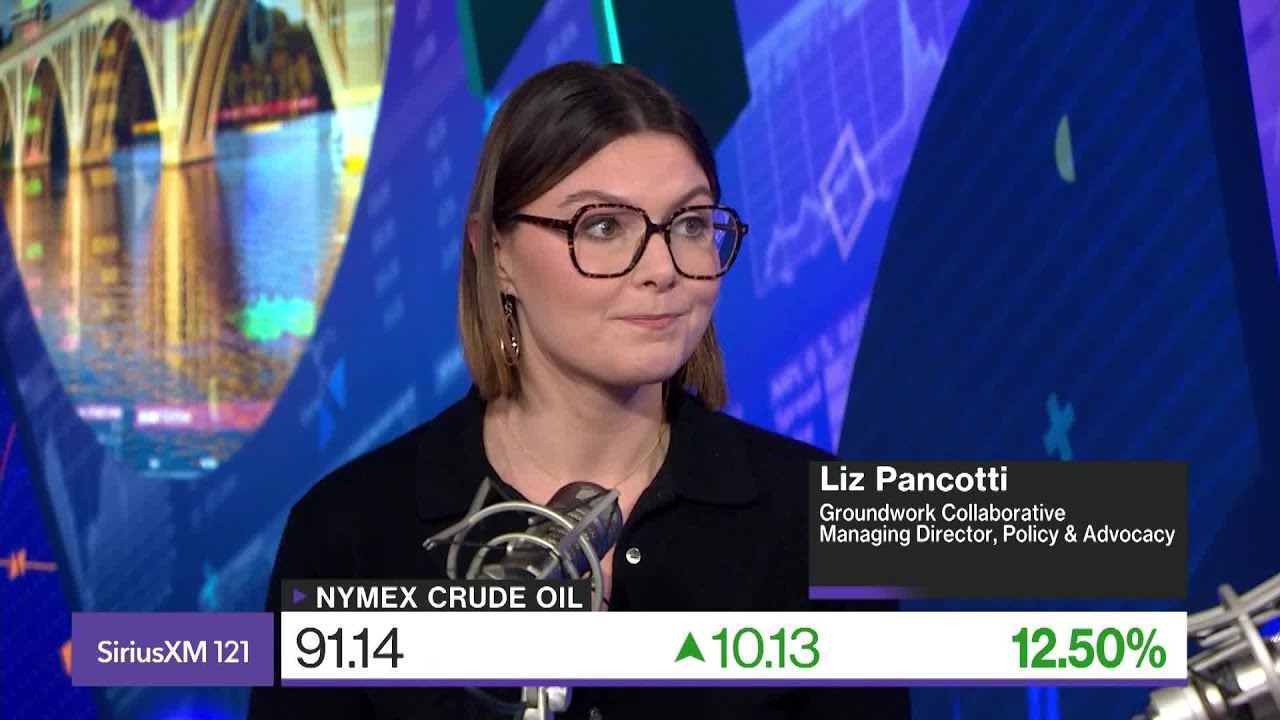
Liz Pancotti, managing director of policy and advocacy at Groundwork Collaborative, said that the surprise decline in February jobs numbers was due to work stoppages in the health care industry -- one of the key sectors propping up labor market growth in the last year. Pancotti said that the report indicates that around four years of growth have been wiped out in both labor market participation and employment to population ratio.
US employers unexpectedly cut jobs in February and the unemployment rate rose, pointing to lingering fragility in a labor market that was thought to be stabilizing.
Nonfarm payrolls fell 92,000 last month, one of the largest declines since the pandemic, after a strong start to the year. While some of the downside was expected in advance, like a temporary dent from striking healthcare workers and a potential hit from bad weather, a wide array of industries cut jobs in the month.
The figures call into question whether the labor market is actually steadying — as Wall Street economists and Federal Reserve officials had hoped — after the worst year for hiring outside of a recession in decades.
“The idea the labor market has turned a corner implodes with this report,” Samuel Tombs, chief US economist at Pantheon Macroeconomics, said in a note.
Friday’s report from the Bureau of Labor Statistics suggests companies may be starting to follow through on a series of previously announced layoffs. And a recent trend in productivity gains illustrates how spending on artificial intelligence has allowed some firms to get by with leaner staffing.
The data also highlight just how much the recent momentum of the US labor market has hinged on one sector: health care.
“This is about a labor market that is so soft that it cannot withstand a strike of 31,000 physicians in health care because no one else is hiring,” said Omair Sharif, president of Inflation Insights LLC. More than 30,000 Kaiser Permanente employees were on strike for most of the month.
--------
Watch Bloomberg Radio LIVE on YouTube
Weekdays 7am-6pm ET
Follow us on X
Subscribe to our Podcasts:
Bloomberg Daybreak
Bloomberg Surveillance
Bloomberg Intelligence
Balance of Power
Bloomberg Businessweek
Listen on Apple CarPlay and Android Auto with the Bloomberg Business app:
Apple CarPlay
Android Auto
Visit our YouTube channels:
Bloomberg Podcasts
Bloomberg Television
Bloomberg Originals
Sentinel Indexing in Progress
Metadata and chapters are available. Claim extraction for this episode is pending.
All video content is delivered via YouTube embedded players in accordance with the YouTube Terms of Service. Sentinel provides research tools that promote discovery and accountability across political media.