Bloomberg Podcasts
@bloombergpodcasts·503K subscribers·32.4K videos
Netflix Goes From M&A Loser to Market Winner Without Warner Deal
Posted
March 9, 2026
Views
3,283
Likes
61
Comments
15
Engagement
March 9, 2026
3,283
61
15
2.31%
Every word spoken in this episode is indexed. Type any phrase to jump straight to the moment it was said.
Type any word or phrase that may have been spoken. Click a result to seek the player to that exact moment.
Try a name, a topic, or a quoted line
See what was published immediately before and after this episode.
 5:52Now Playing
Netflix’s stock price is staging a dramatic reversal triggered by management’s decision to walk away from its proposed acquisition of Warner Bros. Discovery Inc. late last month.
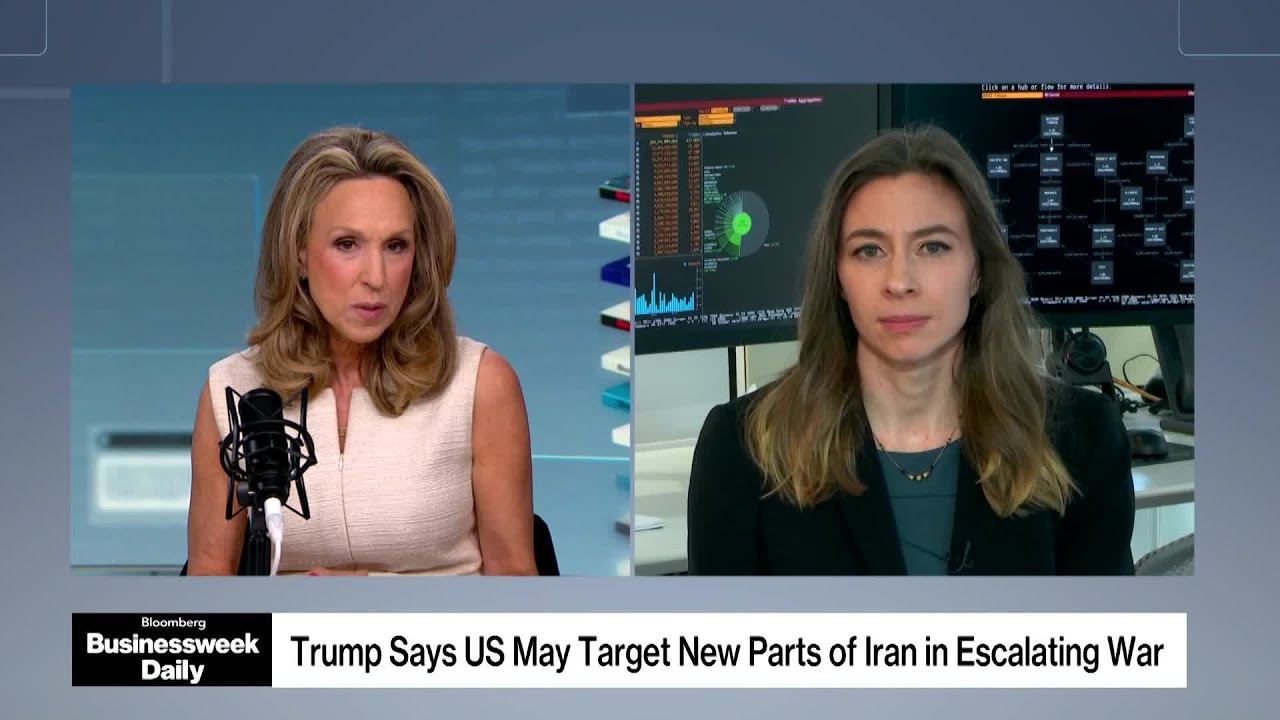
“The core business is phenomenal and they never needed that deal — it was a nice to have, not a must have,” Wedbush analyst Alicia Reese said. “It’s hard to look at this in any negative way.” The streaming giant emerged as the favorite to buy Warner in early December and agreed to a $72 billion acquisition on Dec. 5 that eventually increased to $83 billion. Netflix shares immediately fell, as investors worried that the deal would distract the company from its core business and Neflix didn’t need the deal for growth. Along the way, Paramount Skydance Corp. surfaced as another suitor for Warner and refused to drop its bid even after Warner said it preferred Netflix. A bidding war ensued, and Paramount won on Feb. 27, when Netflix stepped aside. While the deal’s collapse could be seen as a loss for the company, it was a winner for its stock price. Netflix shares plunged more than 30% from Dec. 3, when the chatter around a bid got serious, until Feb. 23, by which time Netflix appeared ready to walk. Since then, the stock has gained 30% in nine sessions, its best nine-day performance since October 2022, and that includes Friday’s 0.2% dip. Laura Martin, Needham Senior Analyst, joins Bloomberg Businessweek Daily to discuss. She speaks with Carol Massar and Norah Mulinda. “I think a lot of the worry for the stock was investors were kind of doubting whether that organic growth is slowing,” Bloomberg Intelligence’s Geetha Ranganathan said.
Read More: Netflix’s Co-CEO Explains Why He Quit the Warner Bros. Fight
Now, the capital Netflix was setting aside for the Warner bid is freed up, and it also has a hefty $2.8 billion breakup fee in hand. Wall Street expects the company to revert to business as usual, with a focus on increasing subscriber growth, boosting advertising, investing in content and returning cash to shareholders by resuming share repurchases it paused to fund the deal.
Netflix said in late February that it would invest approximately $20 billion in content in 2026, a move cheered by analysts because the company’s engagement had been lackluster. Its ability to spend more comes as financial conditions at competitor Paramount are likely to be tight due to the Warner acquisition.
That creates an “opportunity for NFLX to woo creators,” Oppenheimer analysts led by Jason Helfstein wrote in a note to clients on March 2. They expect Netflix to raise its spending on content to $24 billion by 2029, while Paramount scales back.
The company may also continue to pursue other acquisitions that could add value for shareholders, BI’s Ranganathan said. It acquired InterPositive, an AI filmmaking technology business founded by actor Ben Affleck, last week.
“They’re obviously interested now in M&A in a big way,” she said, noting that Netflix historically has been hesitant to pursue deals. “This generally kind of just opens up this whole M&A conversation, and I think now everybody seems to be in play.”
Ranganathan is watching for improvement in Netflix’s operating margin, growth in its advertising business and the potential for another price hike in the future.
“A price hike in the US combined with, you know, operating margin guidance, upward revision, I think those two would be very good for the stock,” she said.
While the declining share price compressed Netflix’s valuation, the stock still trades at a premium to the broader market at about 30 times forward earnings, while the S&P 500 Index trades for around 21 times. But it’s still well below its average multiple of 55 over the past decade, which is compelling given Netflix’s outlook for future growth, according to Wedbush’s Reese.
“They’re getting multiples back on free cash flow. And so they’re able to reinvest in the business in a way that their competitors aren’t, further deepening their moat and returning cash to shareholders as they do so,” she said.
--------
Watch Bloomberg Radio LIVE on YouTube
Weekdays 7am-6pm ET
Follow us on X
Subscribe to our Podcasts:
Bloomberg Daybreak
Bloomberg Surveillance
Bloomberg Intelligence
Balance of Power
Bloomberg Businessweek
Listen on Apple CarPlay and Android Auto with the Bloomberg Business app:
Apple CarPlay
Android Auto
Visit our YouTube channels:
Bloomberg Podcasts
Bloomberg Television
Bloomberg Originals
Sentinel Indexing in Progress
Metadata and chapters are available. Claim extraction for this episode is pending.
All video content is delivered via YouTube embedded players in accordance with the YouTube Terms of Service. Sentinel provides research tools that promote discovery and accountability across political media.