Bloomberg Podcasts
@bloombergpodcasts·503K subscribers·32.4K videos
Stocks and Bonds Slide Globally as Oil Tops $100
Posted
March 9, 2026
Views
6,933
Likes
79
Comments
29
Engagement
1.56%
March 9, 2026
6,933
79
29
1.56%
Every word spoken in this episode is indexed. Type any phrase to jump straight to the moment it was said.
Type any word or phrase that may have been spoken. Click a result to seek the player to that exact moment.
Try a name, a topic, or a quoted line
See what was published immediately before and after this episode.
 6:01Now Playing
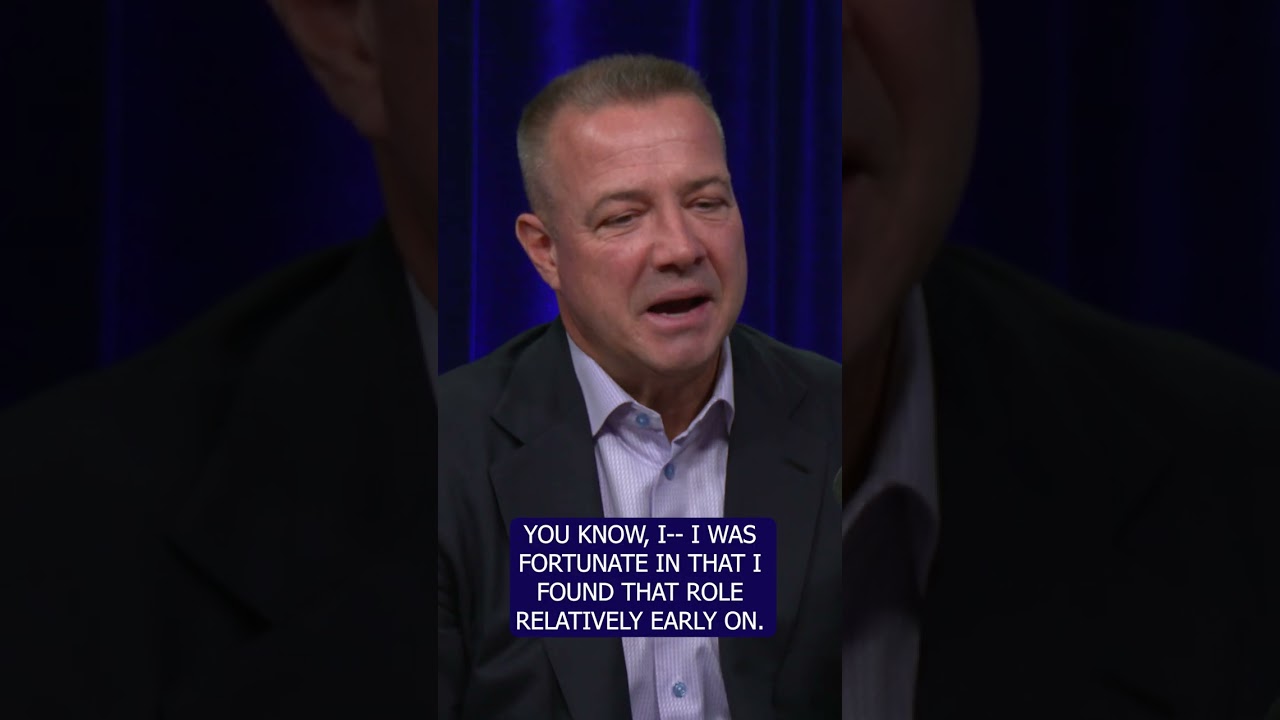
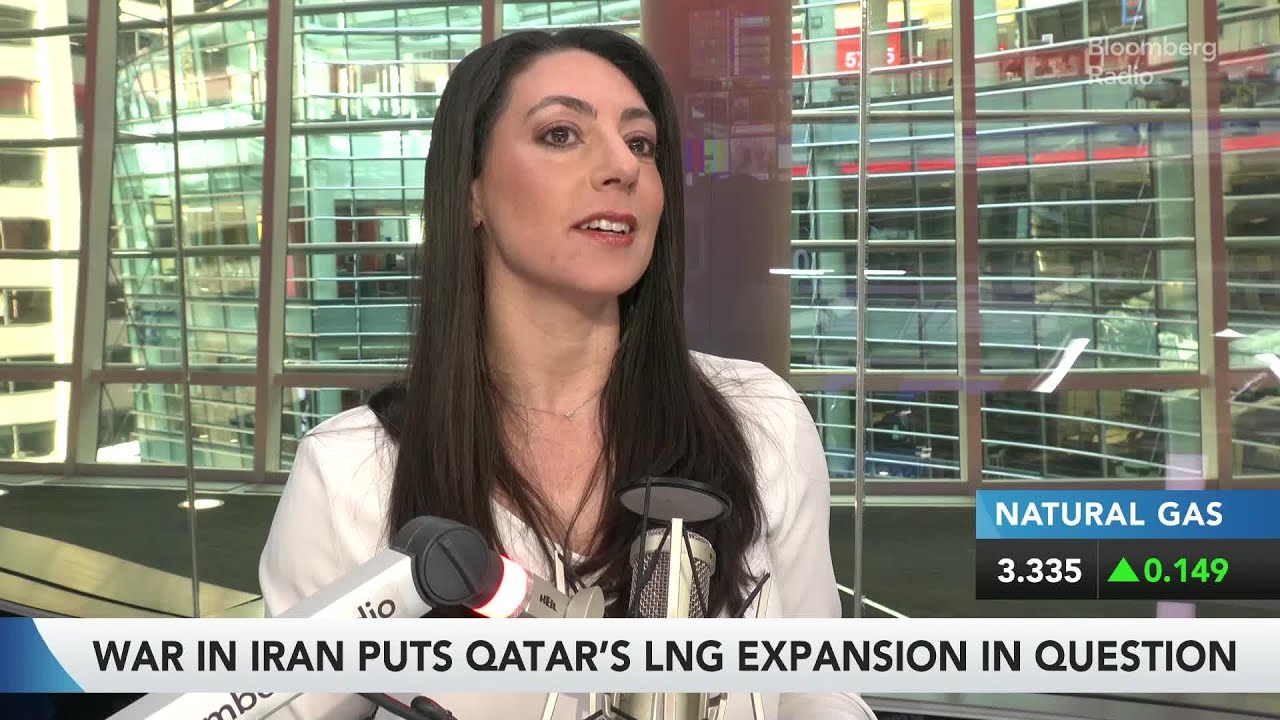
Cameron Dawson, Chief Investment Officer at NewEdge Wealth, discusses the market reaction to the prospect of a prolonged war in the Middle East.
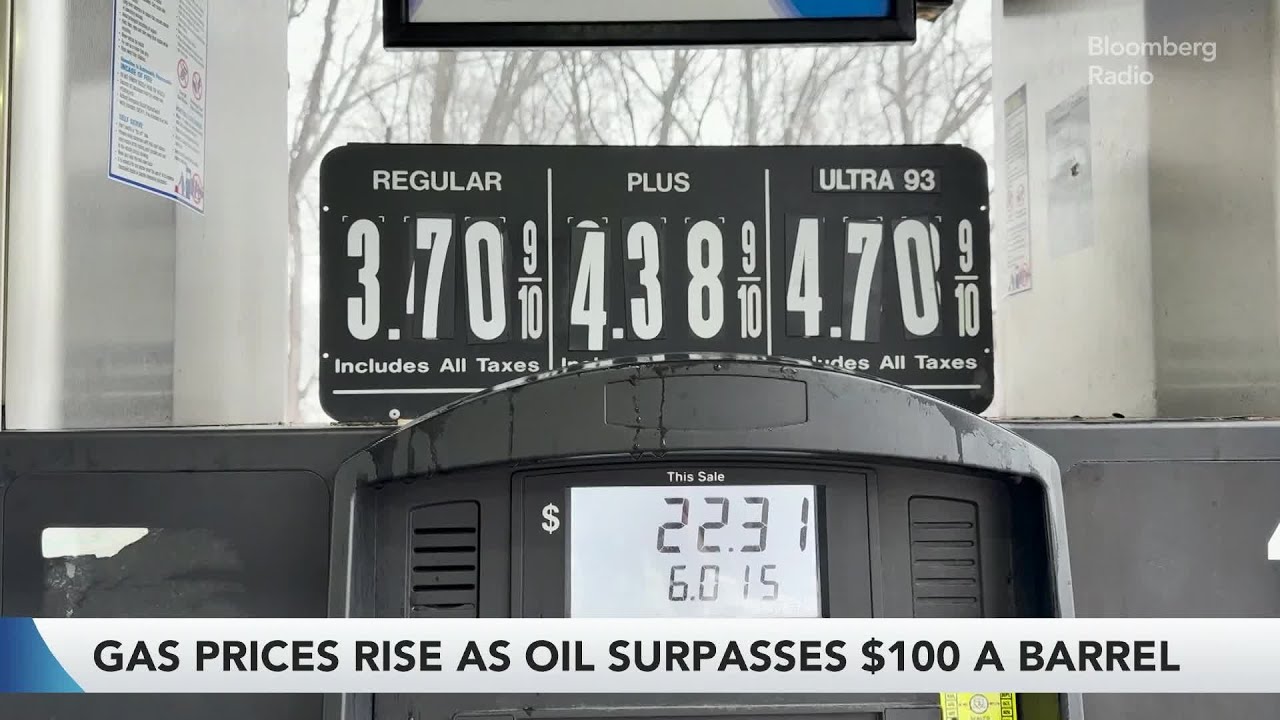
The war in the Middle East sparked fresh turmoil in global markets as oil smashed through $100 a barrel, spurring losses in stocks and bonds. The dollar climbed against most major currencies.
A slide in equities deepened after their worst week since October, with the S&P 500 down about 1%. Benchmark 10-year Treasuries rose for a sixth straight session - the longest advance since August - as higher energy costs spurred inflation fears despite risks to the economic outlook. Traders expect the Federal Reserve’s next rate cut no earlier than September.
Markets have been rocked as the war in the Middle East showed no signs of easing, with a standstill of tanker traffic through the vital Strait of Hormuz choking off supplies to the rest of the world. Saudi Arabia started reducing oil production, even as the kingdom rushes to boosts exports through an alternative route.
Brent prices eased to around $100 from almost $120 on news the Group of Seven finance ministers were set to discuss a possible joint release of oil reserves. A sustained increase in energy costs could trigger a surge in inflation and squeeze economic growth.
“The US-Iran War is testing energy-shock resiliency,” said Thierry Wizman at Macquarie Group. “That’s relevant insofar as central bankers will recall that a general burst of commodity price inflation led the consumer inflation burst in 2022.”
As the escalating war in Iran hurts global markets, US stocks are facing a growing risk of a sharp selloff this year, according to veteran strategist Ed Yardeni, who updated his outlook for what he describes as “fast-moving times.”
Yardeni has raised the probability of a market meltdown to 35% for the rest of the year, up from 20% previously. At the same time, he slashed the odds of a “melt-up” — a rally driven more by investor enthusiasm than underlying fundamentals — to just 5% from 20%.
--------
Watch Bloomberg Radio LIVE on YouTube
Weekdays 7am-6pm ET
Follow us on X
Subscribe to our Podcasts:
Bloomberg Daybreak
Bloomberg Surveillance
Bloomberg Intelligence
Balance of Power
Bloomberg Businessweek
Listen on Apple CarPlay and Android Auto with the Bloomberg Business app:
Apple CarPlay
Android Auto
Visit our YouTube channels:
Bloomberg Podcasts
Bloomberg Television
Bloomberg Originals
Sentinel Indexing in Progress
Metadata and chapters are available. Claim extraction for this episode is pending.
All video content is delivered via YouTube embedded players in accordance with the YouTube Terms of Service. Sentinel provides research tools that promote discovery and accountability across political media.