Bloomberg Podcasts
@bloombergpodcasts·503K subscribers·32.4K videos
US Core Inflation Slowed as Expected Before War With Iran
Posted
March 11, 2026
Views
614
Likes
5
Comments
1
Engagement
March 11, 2026
614
5
1
0.98%
Every word spoken in this episode is indexed. Type any phrase to jump straight to the moment it was said.
Type any word or phrase that may have been spoken. Click a result to seek the player to that exact moment.
Try a name, a topic, or a quoted line
See what was published immediately before and after this episode.
 4:08Now Playing
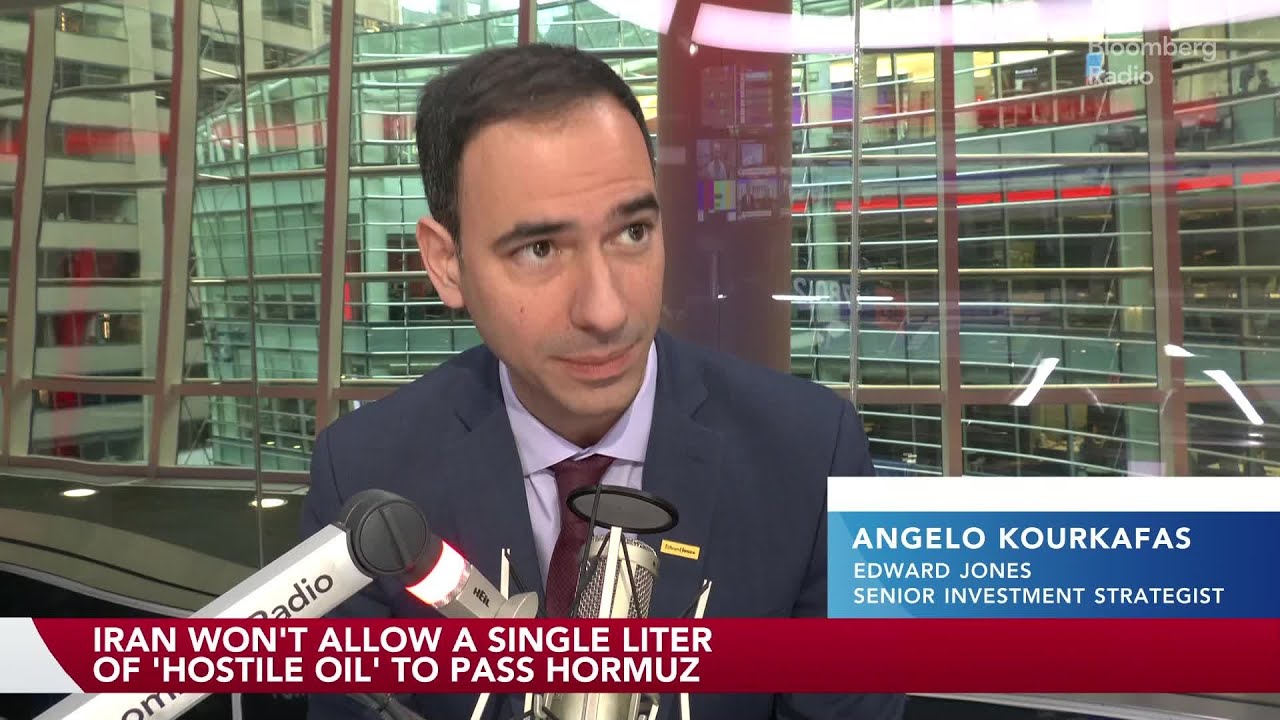
Erin McLaughlin, Senior Economist at The Conference Board, reacts to February CPI data.
Underlying US inflation slowed in February from a month earlier, offering some relief from price pressures before the war with Iran.
The consumer price index, excluding food and energy, rose 0.2% from January, according to Bureau of Labor Statistics data out Wednesday. From a year ago, it was unchanged at 2.5% — the slowest pace in nearly five years.
The report showed lower prices for used cars and motor vehicle insurance helped keep inflation in check last month, despite higher costs for gasoline and groceries including fresh vegetables and coffee.
Inflation has generally been on a downward trend in recent months after proving stubborn for much of last year. But renewed inflation concerns from the war with Iran, which has boosted oil, gasoline and fertilizer costs, risks amplifying affordability worries among Americans ahead of this year’s midterm elections.
Federal Reserve officials are expected to leave interest rates unchanged at their policy meeting next week, a prediction that preceded the latest events in the Middle East. With the war threatening to push up inflation — at least in the near term — some investors now see a chance the central bank will remain on hold for longer. However, officials also need to be mindful of lingering fragility in the labor market. The S&P 500 reversed early gains and Treasury yields rose after the report. Traders still don’t see the Fed cutting rates again until the second half of 2026.
Metric Actual Estimate
CPI MoM +0.3% +0.3%
Core CPI MoM +0.2% +0.2%
CPI YoY +2.4% +2.4%
Core CPI YoY +2.5% +2.5%
The pullback in underlying inflation also reflected tamer housing costs — one of the biggest components of the CPI. A key metric known as rent of primary residence rose 0.1%, the least in five years.
Goods prices, excluding food and energy, barely increased. But the report suggested that for some merchandise, like apparel and appliances, companies may have sought to pass along tariff-related costs to consumers.
Key household items like groceries, gasoline and piped gas were more expensive in the month. Prices for fresh vegetables, including lettuce and tomatoes, rose by the most since 2017, while coffee costs also picked up. Egg and butter prices continued to fall.
Even though gas prices were already on the rise before the war started, they’ve skyrocketed since then as the conflict has disrupted global oil supplies. Prices at the pump have climbed from $2.98 a gallon before the strikes on Iran to $3.58, according to the latest figures from AAA.
“Prices will rise sharply starting in the next report,” Carl Weinberg, chief economist at High Frequency Economics, said in a note. He noted how higher energy prices will not only boost airfares and trucking costs, but will also trickle down to food and other goods.
Including food and energy costs, the over The cost of living in the US continues to take a toll on many Americans, with consumers facing higher prices for almost everything in recent years. And while the Supreme Court struck down most of President Donald Trump’s sweeping tariffs last month, the administration has moved to enact levies through other channels, further clouding the inflation outlook.
In addition to the war, robust inflation at the wholesale level also threatens to boost consumer prices. Producer price growth has been firm in recent months, and input prices for manufacturers soared in February at the fastest pace since 2022, according to the Institute for Supply Management. However, ISM’s price gauge among service providers cooled last month.
A services gauge closely tracked by the Fed, which strips out housing and energy costs, climbed 0.4%, a slowdown from January but still relatively elevated. While central bankers have stressed the importance of looking at such a metric when assessing the inflation trajectory, they compute it based on a separate index.
That measure — known as the personal consumption expenditures price index — draws from the CPI to compute certain costs. January data is due Friday.
--------
Watch Bloomberg Radio LIVE on YouTube
Weekdays 7am-6pm ET
Follow us on X
Subscribe to our Podcasts:
Bloomberg Daybreak
Bloomberg Surveillance
Bloomberg Intelligence
Balance of Power
Bloomberg Businessweek
Listen on Apple CarPlay and Android Auto with the Bloomberg Business app:
Apple CarPlay
Android Auto
Visit our YouTube channels:
Bloomberg Podcasts
Bloomberg Television
Bloomberg Originals
Sentinel Indexing in Progress
Metadata and chapters are available. Claim extraction for this episode is pending.
All video content is delivered via YouTube embedded players in accordance with the YouTube Terms of Service. Sentinel provides research tools that promote discovery and accountability across political media.