Bloomberg Podcasts
@bloombergpodcasts·503K subscribers·32.4K videos
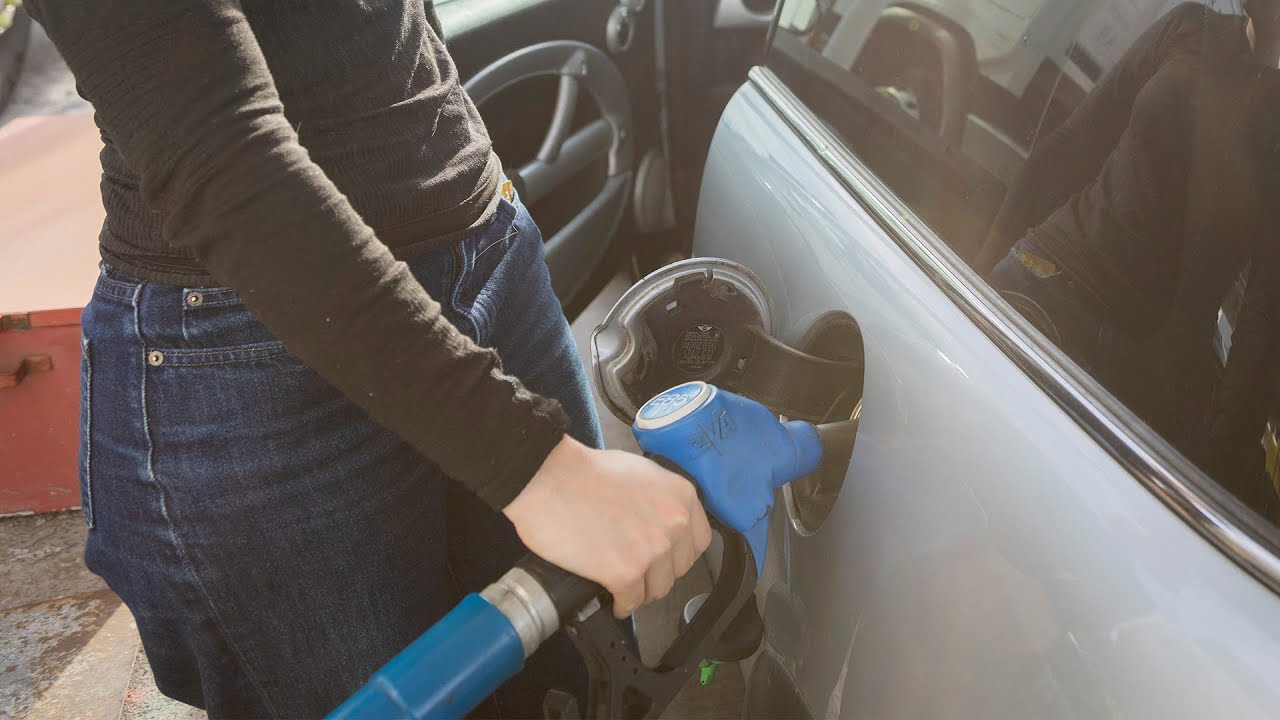
Gas Prices & Airfare Spike as Iran War Drags On
Posted
March 14, 2026
Views
1,278
Likes
21
Comments
4
Engagement
1.96%
March 14, 2026
1,278
21
4
1.96%
Every word spoken in this episode is indexed. Type any phrase to jump straight to the moment it was said.
Type any word or phrase that may have been spoken. Click a result to seek the player to that exact moment.
Try a name, a topic, or a quoted line
See what was published immediately before and after this episode.
 1:38Now Playing
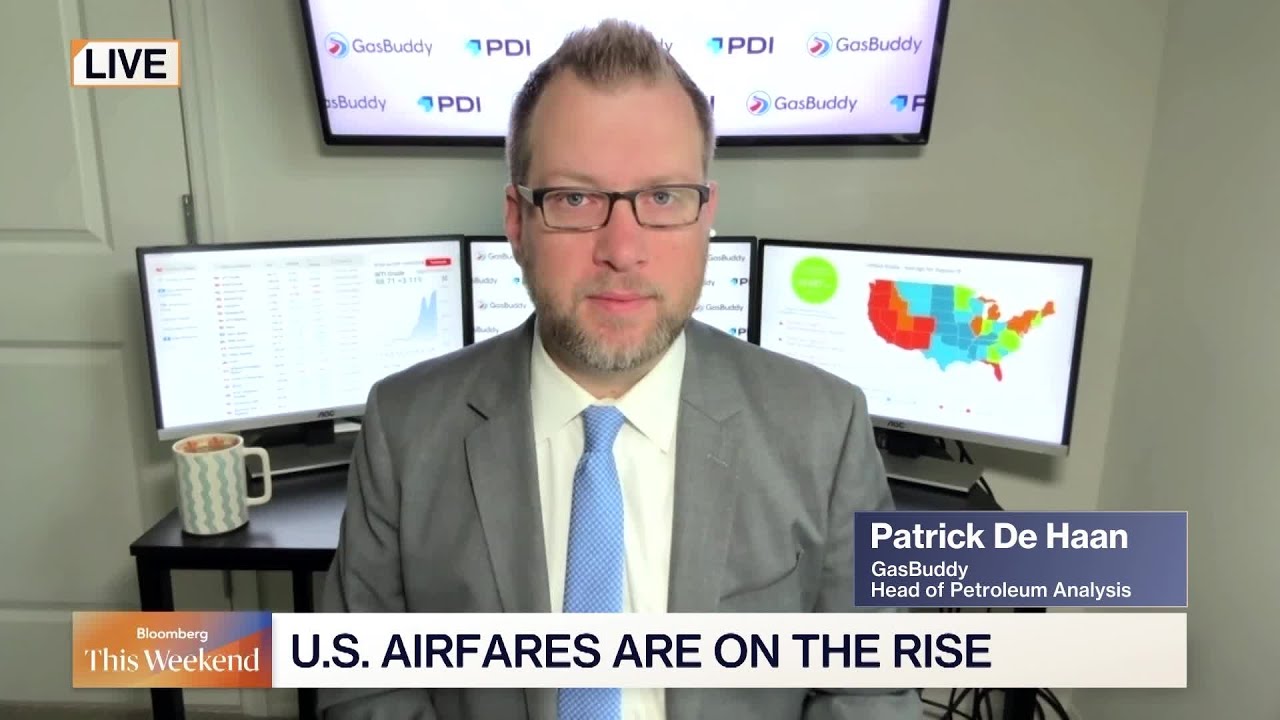
Patrick De Haan, GasBuddy's Head of Petroleum Analysis, on "Bloomberg This Weekend" predicts gas prices will continue rising as demand increases this spring. A widening conflict in the Middle East has led to dramatic swings and surges in the price of fuel for ships, prompting distributors in Singapore, the world’s top bunkering hub, to cut back their purchases.
Bunker distributors typically buy large volumes of fuel oil and marine gasoil that they then resell to vessels calling at Singapore for refueling. However, several people directly involved in the trade said they had been holding off bigger orders since last week, citing extreme price fluctuations.
Their reluctance to bet on volatile prices — driven by disruption in the Persian Gulf, a region that is also a major supplier of fuel oil — has created an impression of tightness in the local market, despite wholesale supply that is, for now, relatively comfortable by historic standards.
Some distributors are prioritizing preferred customers, and either trimming or canceling other sales as they ration their stock, the people said. They asked not to be named as they are not authorized to speak to the media.
The city-state’s ship-refueling industry relies on ample onshore and floating storage and a range of suppliers, making it more resilient than some other hubs. Even so, disruption caused by the war and the effective closure of the Strait of Hormuz means that the cost of very-low sulfur fuel oil in Singapore has more than doubled since Feb. 27, rising more than 30% on certain days.
Marine gasoil prices, meanwhile, have soared 160% during the same period. Both grades have far outperformed crude oil, which has risen more than 40% in the same period.
Read More: Iran War Catapults Asia to the Frontline of a Global Fuel Crisis
The Maritime and Port Authority of Singapore said it was monitoring developments closely, alongside the industry. “Singapore’s bunker supply comes from several sources. At present, there is adequate supply to meet demand,” it said, in an emailed statement.
Shipping is the lifeblood of the global economy and fuel oil underpins that trade, through the world’s biggest ships. Higher performance vessels use gasoil. That means higher costs for both feed through to food and other prices, driving up inflation.
Supplies of fuel oil and marine gasoil into Singapore are typically sourced from local refineries, onshore tanks, and floating storage or vessels off Malaysia, where fuel oil can be held and redistributed. Stockpiles of residual fuels rose in the week to March 11, according to government data, hovering above the seasonal five-year average inventory for the grade.
The nation’s hoard of middle distillate fuels, which include jet fuel and gasoil, is at its lowest since Nov. 2022, according to data compiled by Bloomberg.
As of Monday, fuel oil and gasoil remained available to most distributors from terminal sellers, the people said. Purveyors were becoming stricter in terms of timing, quantities and other conditions, however, threatening to cancel volumes in the event of delays.
--------
Watch Bloomberg Radio LIVE on YouTube
Weekdays 7am-6pm ET
Follow us on X
Subscribe to our Podcasts:
Bloomberg Daybreak
Bloomberg Surveillance
Bloomberg Intelligence
Balance of Power
Bloomberg Businessweek
Listen on Apple CarPlay and Android Auto with the Bloomberg Business app:
Apple CarPlay
Android Auto
Visit our YouTube channels:
Bloomberg Podcasts
Bloomberg Television
Bloomberg Originals
Sentinel Indexing in Progress
Metadata and chapters are available. Claim extraction for this episode is pending.
All video content is delivered via YouTube embedded players in accordance with the YouTube Terms of Service. Sentinel provides research tools that promote discovery and accountability across political media.