Bloomberg Podcasts
@bloombergpodcasts·503K subscribers·32.4K videos
Oil Will Take Six Months 'Minimum' to Snap Back After War, Says Wald
Posted
March 17, 2026
Views
11,376
Likes
177
Comments
60
Engagement
March 17, 2026
11,376
177
60
2.08%
Every word spoken in this episode is indexed. Type any phrase to jump straight to the moment it was said.
Type any word or phrase that may have been spoken. Click a result to seek the player to that exact moment.
Try a name, a topic, or a quoted line
See what was published immediately before and after this episode.
 9:40Now Playing
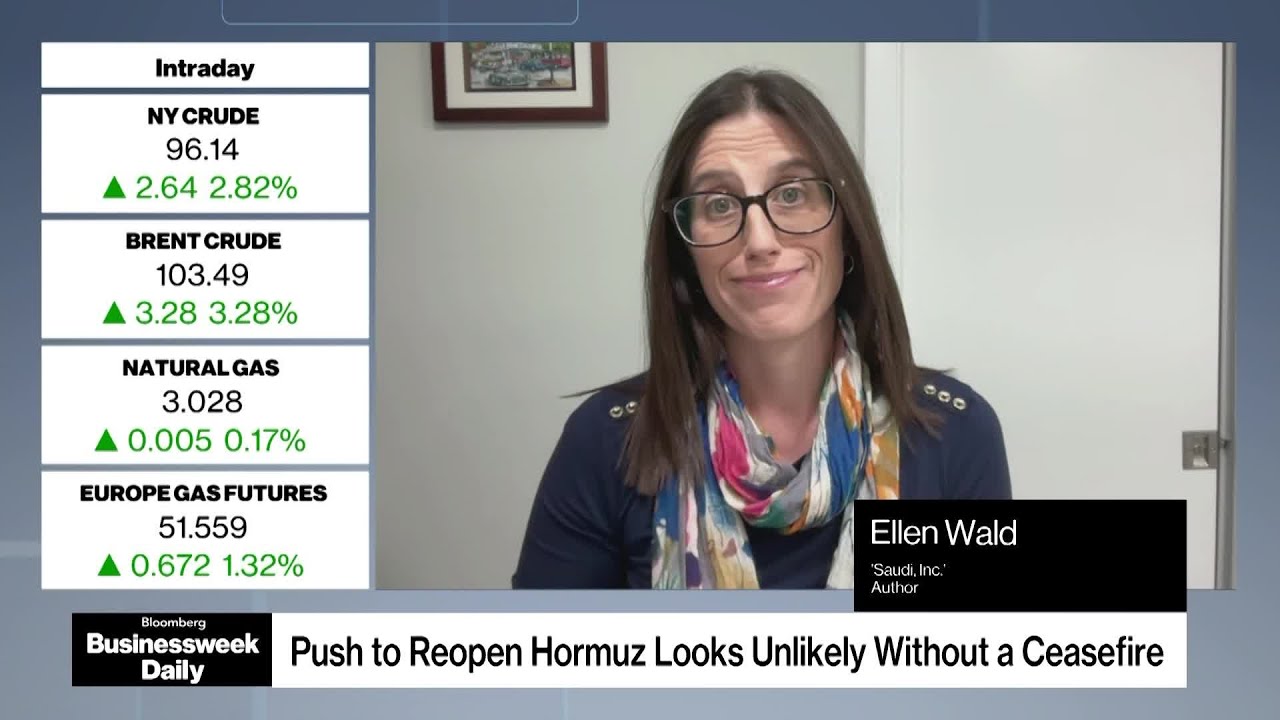
Ellen Wald, founder of Transversal Consulting & Atlantic Council senior fellow, said that oil prices will not immediately snap back to normal at the end of the war with Iran and that it could take a minimum of six months to unravel the impact on oil infrastructure in the gulf. Wald also said that one way to guard against disruptions to US oil supply is to work on energy interdependence within North America.
US President Donald Trump abandoned his effort to recruit partners for the war with Iran and scolded allies who openly rejected his appeals, even as he repeated claims the conflict would end soon.
The US and Israel nonetheless kept up their attacks with little clarity on when operations would end, with Israel saying it had killed Iran’s security chief, Ali Larijani, in an overnight operation. Trump threatened to expand strikes on Kharg Island, Iran’s main export hub, while Gulf countries continued to face attacks from Iran-sent drones.
Yet as the conflict continued, there was little sign that European and Asian nations planned to heed Trump’s call to join the fray, even in more limited roles confined to attempting to end the effective closure of the Strait of Hormuz.
The near shutdown of the key shipping lane has wreaked havoc on global energy markets and kept oil hovering around $100 a barrel. Oil rose after Iran said some of its energy facilities had come under attack, with most of the supply in the wider Pesian Gulf still choked off by the war in the region.
Brent was trading near $105 a barrel, after adding more than 3% on Tuesday. Iranian state TV said part of the giant South Pars gas field was hit in an airstrike, as were Asaluyeh oil industry facilities. Further details of the attacks hadn’t yet been determined, the reports said.
Iran vowed revenge for attacks that led to the death of its security chief Ali Larijani, while President Donald Trump said the US could end the conflict in the near future.
Gulf nations are still enacting workarounds for Hormuz, with traffic through the vital waterway grinding to a halt. Iraq will resume exports through a pipeline that links the semi-autonomous region of Kurdistan to Turkey’s Mediterranean port of Ceyhan. But the rerouting can only ship a fraction of the OPEC producer’s output, which has dropped to about a third of levels before the war.
Brent crude has rallied almost 70% this year, with the bulk of the surge following the US-Israeli attacks against Iran and Tehran’s retaliatory strikes on energy and shipping assets across the region. The conflict has sent energy prices soaring, triggered fuel shortages in Asia and spawned concerns about faster global inflation.
“The immediate impact of a potential closure of the Strait of Hormuz, something the US administration may have significantly underestimated, is higher energy prices,” said Tamas Varga, an analyst at brokerage PVM. “The US’s objectives in Iran remain unclear, and the end of the conflict is nowhere in sight.”
Read More: Will Larijani Killing Weaken Chance of US Exit Strategy For War?
Fuel price hikes — with US diesel prices at the pump topping $5 a gallon this week — will be scrutinized by central bankers around the world as they steer monetary policy. US Federal Reserve officials gather
--------
Watch Bloomberg Radio LIVE on YouTube
Weekdays 7am-6pm ET
Follow us on X
Subscribe to our Podcasts:
Bloomberg Daybreak
Bloomberg Surveillance
Bloomberg Intelligence
Balance of Power
Bloomberg Businessweek
Listen on Apple CarPlay and Android Auto with the Bloomberg Business app:
Apple CarPlay
Android Auto
Visit our YouTube channels:
Bloomberg Podcasts
Bloomberg Television
Bloomberg Originals
Sentinel Indexing in Progress
Metadata and chapters are available. Claim extraction for this episode is pending.
All video content is delivered via YouTube embedded players in accordance with the YouTube Terms of Service. Sentinel provides research tools that promote discovery and accountability across political media.