Bloomberg Podcasts
@bloombergpodcasts·503K subscribers·32.4K videos
War Spurs US Backup Fertilizer Push Before Planting Season
Posted
March 17, 2026
Views
6,621
Likes
55
Comments
12
Engagement
March 17, 2026
6,621
55
12
1.01%
Every word spoken in this episode is indexed. Type any phrase to jump straight to the moment it was said.
Type any word or phrase that may have been spoken. Click a result to seek the player to that exact moment.
Try a name, a topic, or a quoted line
See what was published immediately before and after this episode.
 1:01
1:01 7:57Now Playing
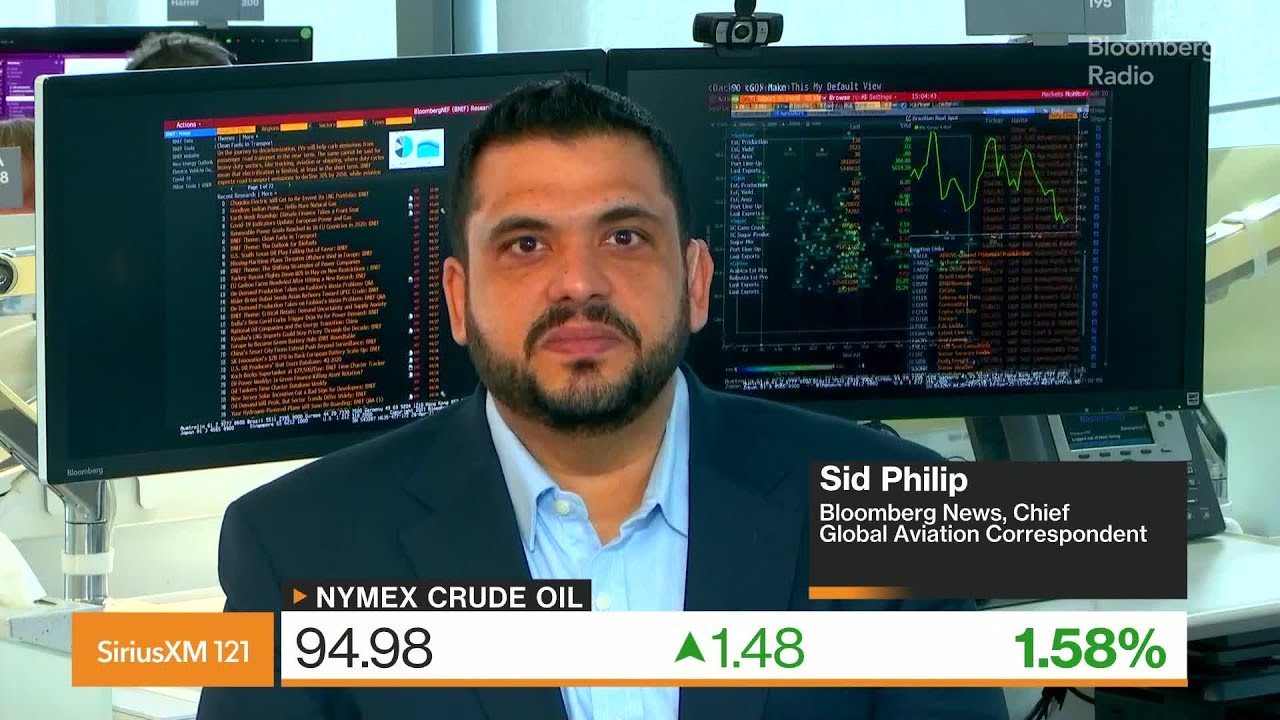
Alexis Crow, Partner & Chief Economist at PwC US discusses the broader impacts of Iran war oil shocks on the petrochemical space.
The Trump administration has moved to locate backup sources of fertilizers for American farmers at the start of the planting season after the Iran war shut down a key source of supply.
“We’ve been all over the fertilizer problem,” White House National Economic Council Director Kevin Hassett said on CNBC Tuesday. “I’m not saying that we can eliminate what disruption there is so far, but we can minimize it for sure.”
Hassett said the US has “established licenses for Venezuela to produce more fertilizer,” and has held discussions with Morocco. The administration has been engaged “as an insurance policy against disruption,” he said.
While Hassett cited Morocco as having the world’s largest reserve of potash, data compiled by industry experts show the North African nation to have the biggest phosphate rock reserves, while its potash endowment is relatively small compared with that of Canada or Russia. The US currently has duties in place on Moroccan phosphate, which are under review. Pleas from US farm groups to remove those fees ramped up after the war began.
The focus is getting supplies to American farmers, Hassett said. “It’s almost planting season, and there’s a lot of fertilizer that usually goes down.”
One facility in Qatar had produced so much fertilizer that it supplied “maybe about 20%” of the US market, according to Hassett. The Iran conflict has mostly shut the key Strait of Hormuz passage for ships, however, leaving energy and other resources bottled up in the Gulf.
The NEC chief also said that officials are examining options to help maintain the supply of refined energy products to the West Coast of the US.
“Asian economies, which are much more reliant on Middle East oil, they actually sell a lot of refined product in to the West Coast of the US,” Hassett said. “We’re seeing some signs that they might be pulling that back to make sure that they have enough energy for themselves.”
The situation means “we might have to move a few chips” on the figurative playing board, he said.
--------
Watch Bloomberg Radio LIVE on YouTube
Weekdays 7am-6pm ET
Follow us on X
Subscribe to our Podcasts:
Bloomberg Daybreak
Bloomberg Surveillance
Bloomberg Intelligence
Balance of Power
Bloomberg Businessweek
Listen on Apple CarPlay and Android Auto with the Bloomberg Business app:
Apple CarPlay
Android Auto
Visit our YouTube channels:
Bloomberg Podcasts
Bloomberg Television
Bloomberg Originals
Sentinel Indexing in Progress
Metadata and chapters are available. Claim extraction for this episode is pending.
All video content is delivered via YouTube embedded players in accordance with the YouTube Terms of Service. Sentinel provides research tools that promote discovery and accountability across political media.