Bloomberg Podcasts
@bloombergpodcasts·503K subscribers·32.4K videos
Stocks Fall on War Jitters as Brent Close to $110
Posted
March 18, 2026
Views
5,282
Likes
74
Comments
22
Engagement
1.82%
March 18, 2026
5,282
74
22
1.82%
Every word spoken in this episode is indexed. Type any phrase to jump straight to the moment it was said.
Type any word or phrase that may have been spoken. Click a result to seek the player to that exact moment.
Try a name, a topic, or a quoted line
See what was published immediately before and after this episode.
 9:49Now Playing
Alicia Levine, BNY Wealth Head of Investment Strategy, discusses the market reaction to a surge in oil after a strike on an Iranian gas field.
A surprisingly hot inflation report from before the war in Iran drove stocks and bonds lower, with an oil surge amid strikes on Persian Gulf facilities fueling worries about energy disruptions and further price pressures.
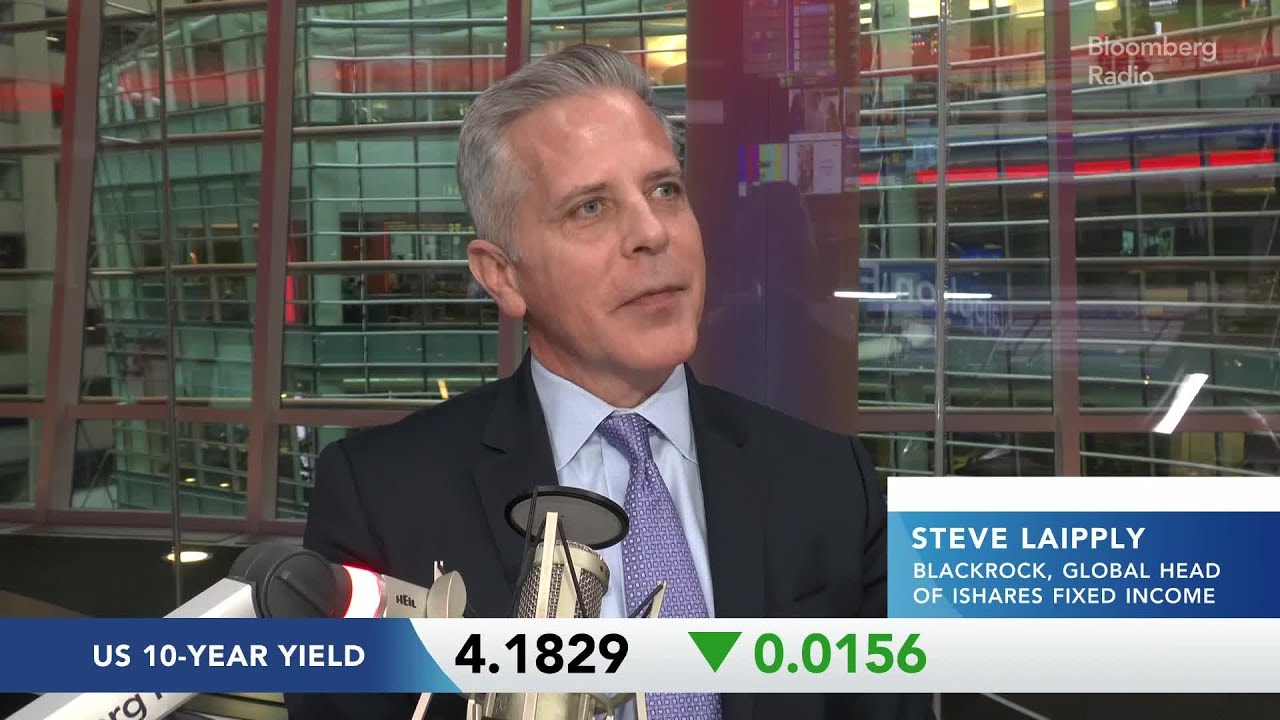
Signs that the conflict in the Middle East is escalating spurred a flight away from the riskier corners of the market. The S&P 500 halted a two-day advance. Brent approached $110. In the run-up to the Federal Reserve decision, Treasury yields rose as the producer price index unexpectedly accelerated, with traders reducing bets on even a single interest-rate cut in 2026.
“The markets continue to be on edge as each headline out of the Middle East causes knee-jerk reactions,” said Jay Woods at Freedom Capital Markets. “Crude is driving the bus and the longer it stays above $90 - or spikes higher - the ‘buy-the-dip crowd’ grows quieter and the ‘sell-the-rally narrative’ gets more dominant.”
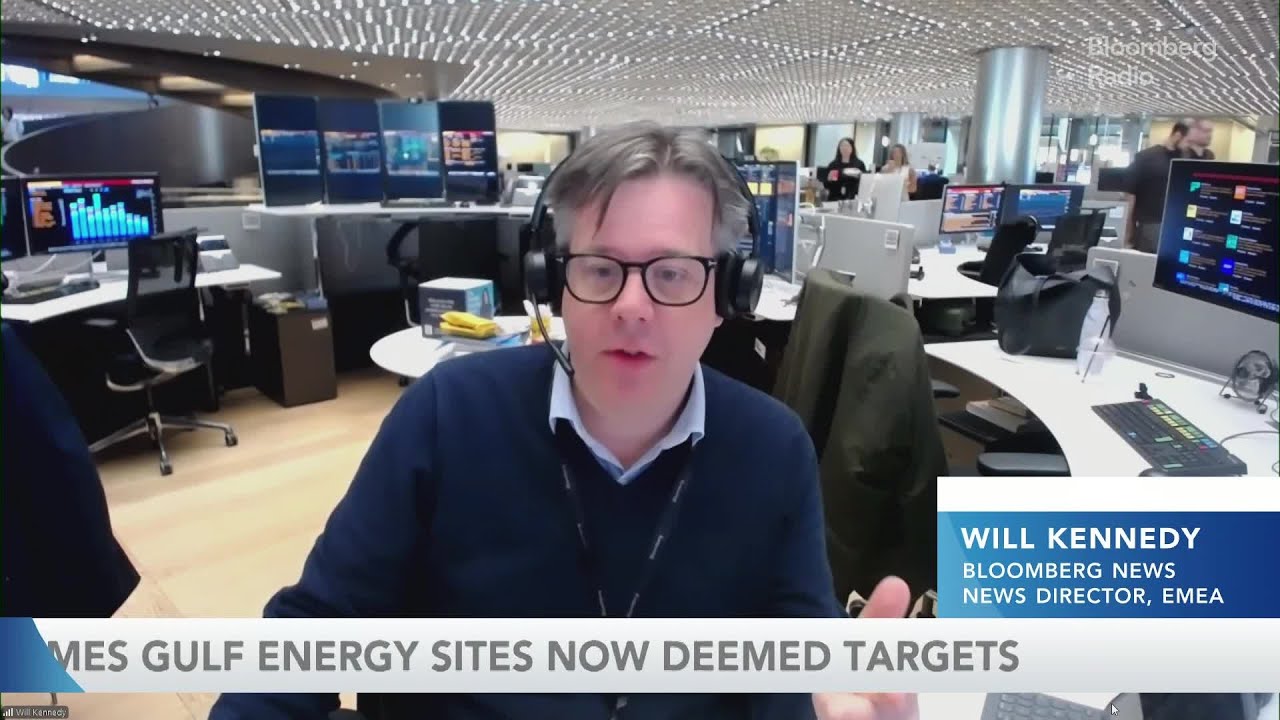
Markets were roiled anew as Iran warned countries around the Persian Gulf that a number of energy assets are now “legitimate targets” after Israel attacked its giant South Pars gas field, sending further shockwaves through energy markets.
Oil prices have soared almost 50% since the US and Israel began the war on Feb. 28, triggering a response from Iran that’s seen missiles and drones fired at countries across the Middle East. Regional energy giants have been forced to cut production in response, particularly due to the effective shuttering of the critical Strait of Hormuz.
President Donald Trump temporarily waived a century-old shipping mandate to lower the cost of transporting oil, gas and other commodities, marking his latest bid to combat the rise in energy prices spurred by the war.
The spike in oil prices risks adding to inflationary pressures while restraining the economy. Fed officials, who are widely expected to keep rates unchanged, now turn their attention to the supply shock.
--------
Watch Bloomberg Radio LIVE on YouTube
Weekdays 7am-6pm ET
Follow us on X
Subscribe to our Podcasts:
Bloomberg Daybreak
Bloomberg Surveillance
Bloomberg Intelligence
Balance of Power
Bloomberg Businessweek
Listen on Apple CarPlay and Android Auto with the Bloomberg Business app:
Apple CarPlay
Android Auto
Visit our YouTube channels:
Bloomberg Podcasts
Bloomberg Television
Bloomberg Originals
Sentinel Indexing in Progress
Metadata and chapters are available. Claim extraction for this episode is pending.
All video content is delivered via YouTube embedded players in accordance with the YouTube Terms of Service. Sentinel provides research tools that promote discovery and accountability across political media.