Bloomberg Podcasts
@bloombergpodcasts·503K subscribers·32.4K videos
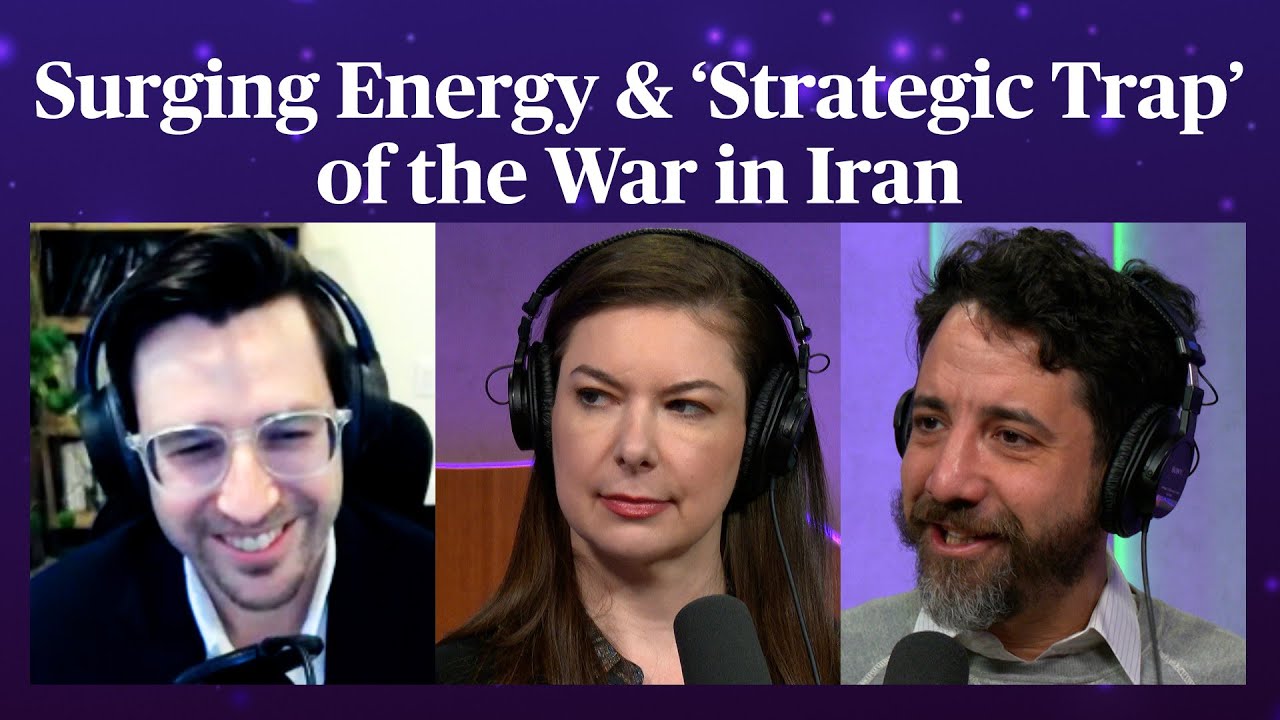
Weeks of War Are Reshaping Global Gas Market for Years to Come | Bloomberg Businessweek
Posted
March 20, 2026
Views
985
Likes
11
Comments
2
Engagement
March 20, 2026
985
11
2
1.32%
Every word spoken in this episode is indexed. Type any phrase to jump straight to the moment it was said.
Type any word or phrase that may have been spoken. Click a result to seek the player to that exact moment.
Try a name, a topic, or a quoted line
See what was published immediately before and after this episode.
 33:36Now Playing
The people, companies and trends shaping the global economy.
Watch Carol and Tim LIVE every day on YouTube().
Each week the world’s largest liquefied natural gas plant remains shut, the world loses the equivalent of enough energy to power Sydney’s homes for an entire year.
Qatar’s Ras Laffan plant closed earlier this month after an Iranian drone attack, the first interruption to supply in three decades of operation. Now, after further hits — in retaliation for an Israeli strike on the vast South Pars fields on Wednesday — the wider complex has suffered what Qatar describes as extensive damage.
The latest assault damaged two of the plant’s fourteen production trains, with repairs expected to take years, people with knowledge of the matter told Bloomberg. That will put severe energy strain on economies across the world. For emerging nations — vital growth markets for LNG — a second gas calamity in four years is already destroying industrial demand, perhaps irreparably.Three weeks of conflict in the Middle East have upended the entire energy supply chain. With the vital Strait of Hormuz all but closed, gasoline and jet fuel prices are surging, cooking gas shortages are triggering fistfights in India and farmers are fretting about diesel and fertilizer. But with virtually no spare capacity, no strategic reserves and no easy replacements, LNG may be one of the most acute pain points in an expanding crisis.
The longer this continues, the only solution is for the world to use less gas — and that’s a major setback for a fuel promoted by the industry as a reliable and affordable bridge from dirty coal to full reliance on renewable power. Without gas, power plants curtail output, fertilizer and textile factories shut. The ripple effect from a long-term shock could be even more significant than the 2022 energy crisis, when Russia’s invasion of Ukraine forced dramatic changes in global gas flows.
Today's show features:
Ruth Liao, Bloomberg News Reporter covering Liquefied Natural Gas
Sheila Kahyaoglu, Managing Director in Equity Research at Jefferies
Matt Diczok, Head of Fixed Income Strategy for Merrill and Bank of America Private Bank
Drive to the Close with Mark Travis, CEO of Intrepid Capital
See omnystudio.com/listener () for privacy information.
Carol Massar and Tim Stenovec bring together the latest news from the world of business and finance and the interesting stories of global technology, politics, economics and more by harnessing the power of Bloomberg Businessweek reporters and editors.
Subscribe to Bloomberg Podcasts
Listen to more of Bloomberg Businessweek
#Bloomberg #Podcast #News #Businessweek
Follow Bloomberg Podcasts on Twitter
Visit our other YouTube channels:
Bloomberg Television
Bloomberg Originals
For coverage on news, markets and more
Sentinel Indexing in Progress
Metadata and chapters are available. Claim extraction for this episode is pending.
All video content is delivered via YouTube embedded players in accordance with the YouTube Terms of Service. Sentinel provides research tools that promote discovery and accountability across political media.