Bloomberg Podcasts
@bloombergpodcasts·503K subscribers·32.4K videos
Will Trump Win Iran War With a "Gucci" Strategy?
Posted
March 21, 2026
Views
22,248
Likes
231
Comments
55
Engagement
1.29%
March 21, 2026
22,248
231
55
1.29%
Every word spoken in this episode is indexed. Type any phrase to jump straight to the moment it was said.
Type any word or phrase that may have been spoken. Click a result to seek the player to that exact moment.
Try a name, a topic, or a quoted line
 5:59Now Playing
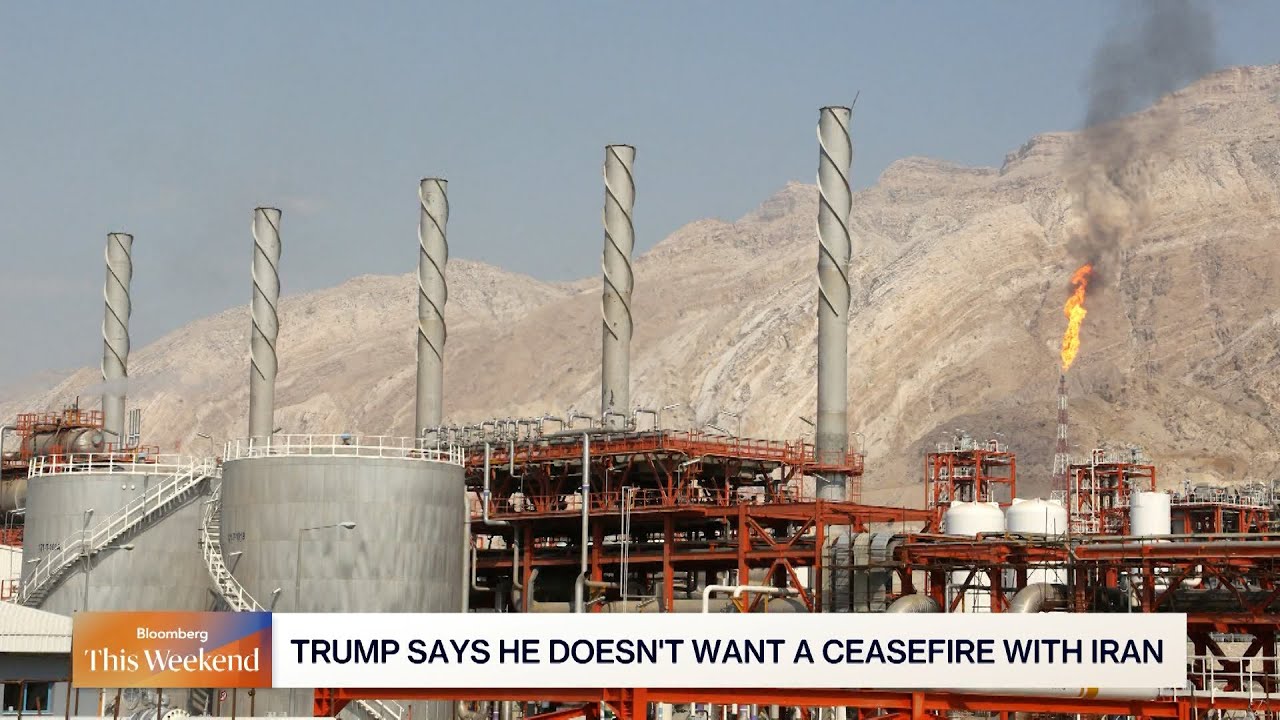
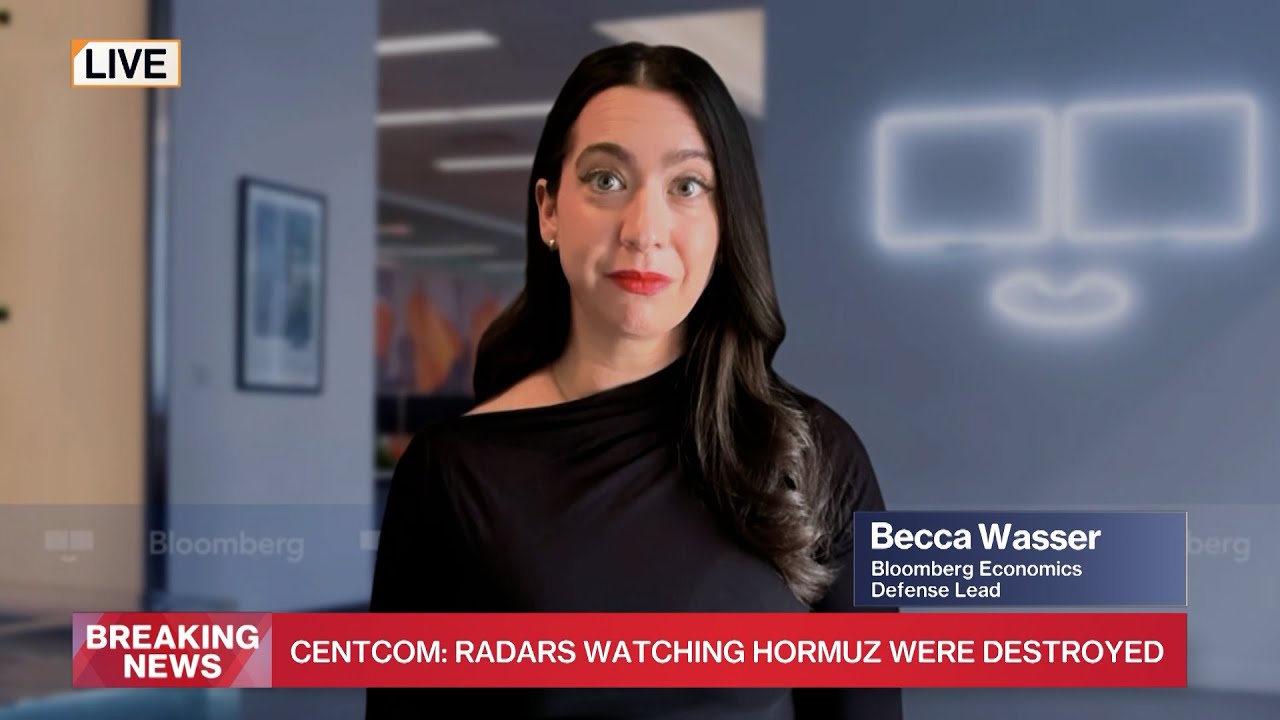
As the Iran war stretches into its fourth week, US President Donald Trump's approach to a war without physical ground entanglements may prove to be impossible. Bloomberg Economics Defense Lead Becca Wasser joins David Gura and Christina Ruffini this morning on Bloomberg This Weekend to discuss what that means for the war in Iran. Watch the show LIVE every Saturday and Sunday morning. Iranian officials have become reluctant to even discuss reopening the Strait of Hormuz as they focus on surviving the US-Israeli onslaught, according to a person involved in direct, high-level contacts with Tehran.
Energy infrastructure attacks and strikes on high-profile Iranian officials, including the recent killing of security chief Ali Larijani, mark an escalation that is slowing attempts to get commercial ships moving again, the person added, speaking anonymously to discuss private talks.
Oil prices extended gains sharply on the news. Brent crude prices jumped back above $110 a barrel and the most active US crude futures price climbed more than 2.5% to trade above $98 a barrel.
Priced jumped even higher after a CBS News report Friday that Pentagon officials have made preparations for a possible deployment of US ground troops into Iran. The report, which cited unnamed sources, noted that it was unclear under what circumstances President Donald Trump would authorize such an operation.
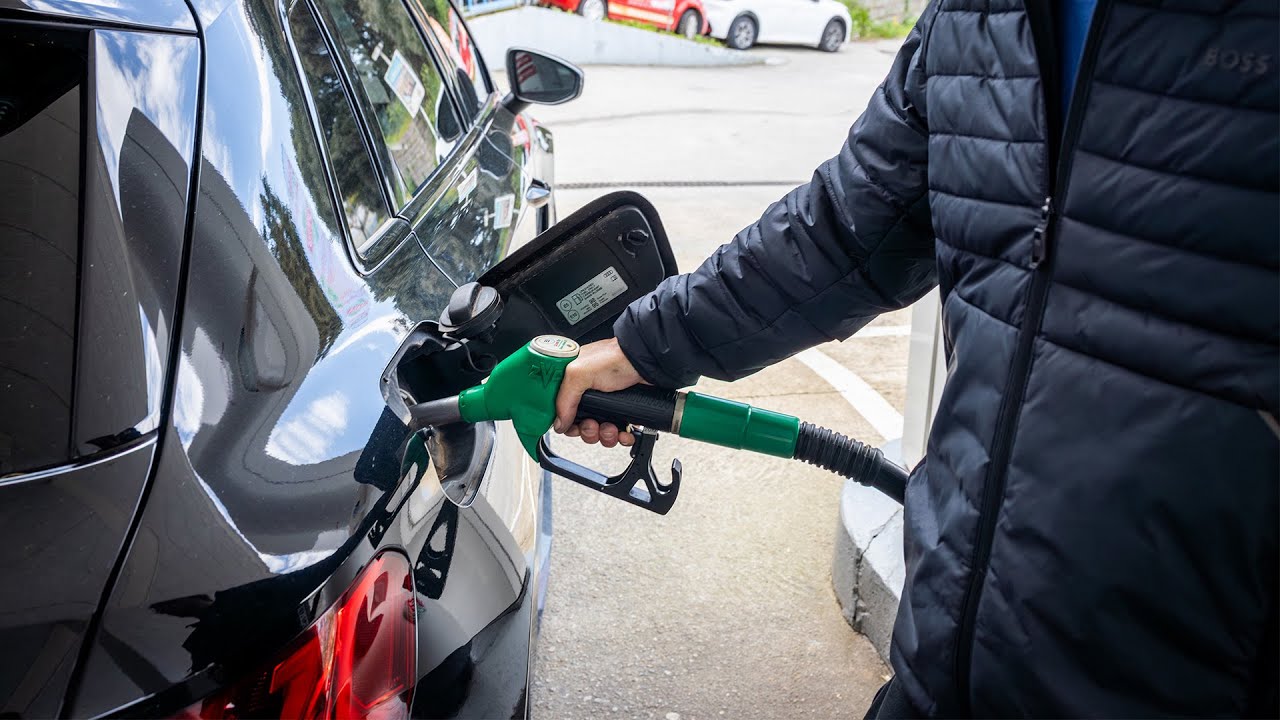
The effective closure of the Strait of Hormuz — a chokepoint for about a fifth of global oil and liquefied natural gas — has sent global energy prices soaring and Trump’s administration scrambling to lower gas prices.
With Iran refusing to negotiate on Hormuz and Trump unwilling — or unable — to negotiate a diplomatic offramp to the conflict, further escalation of the conflict is possible and elevated energy prices could remain a drag on the global economy.
“Nobody wants to be a leader over there anymore. We’re having a hard time. We want to talk to them, and there’s nobody to talk to,” Trump said Friday. “And you know what? We like it that way.”
Iran’s regime is seen as tightening its grip on power as officials coalesce around the surviving leaders, according to western intelligence assessments and people familiar with the matter. At Hormuz, the country appears to be having a big say over the transits of a handful of vessels that are permitted to pass.
Strikes by US and Israel have killed some of the leaders that used to engage in negotiations with foreign countries, particularly Larijani.
In practical terms, Iran’s current refusal to engage on Hormuz means the UK, France and others have lost momentum for a push to escort vessels through the strait once the war stops, with no end in sight to the violence.
The sentiment is shared across Europe and the Middle East, according to people familiar with the talks. Officials are losing confidence that the US and Israel have an exit plan and see deeper economic disruptions ahead. In Brussels on Thursday, European Union leaders worried about a sustained price shock.
Read More: EU Leaders Face Multi-Year Energy Squeeze After Qatar Attack
The assessment is a troubling development for Europe, which is trying to simultaneously cut energy costs, rebuild its militaries and increase pressure on Russia to end its war in Ukraine. None of that works well if the Strait of Hormuz is crippling the economy.
“The real issue now is to assert Europe’s position in this increasingly challenging world and to ensure that we can keep pace, both in terms of our defense capabilities and our energy supply,” German Chancellor Friedrich Merz said Thursday. “All of this is only possible with a strong economy.”
An Iranian foreign ministry spokesman and Tehran’s embassy in London didn’t immediately respond to a request for comment.
Widening War
At the outset of the war, Iran told regional intermediaries that it was willing to discuss a truce if it had guarantees there will be no further attacks on the country.
That possibility now seems elusive.
--------
Watch Bloomberg Radio LIVE on YouTube
Weekdays 7am-6pm ET
Follow us on X
Subscribe to our Podcasts:
Bloomberg Daybreak
Bloomberg Surveillance
Bloomberg Intelligence
Balance of Power
Bloomberg Businessweek
Listen on Apple CarPlay and Android Auto with the Bloomberg Business app:
Apple CarPlay
Android Auto
Visit our YouTube channels:
Bloomberg Podcasts
Bloomberg Television
Bloomberg Originals
Sentinel Indexing in Progress
Metadata and chapters are available. Claim extraction for this episode is pending.
All video content is delivered via YouTube embedded players in accordance with the YouTube Terms of Service. Sentinel provides research tools that promote discovery and accountability across political media.