Bloomberg Podcasts
@bloombergpodcasts·503K subscribers·32.4K videos
Stocks Rise, Oil Falls as Trump Eases Iran Threats
Posted
March 23, 2026
Views
2,968
Likes
36
Comments
7
Engagement
1.45%
March 23, 2026
2,968
36
7
1.45%
Every word spoken in this episode is indexed. Type any phrase to jump straight to the moment it was said.
Type any word or phrase that may have been spoken. Click a result to seek the player to that exact moment.
Try a name, a topic, or a quoted line
 4:18Now Playing
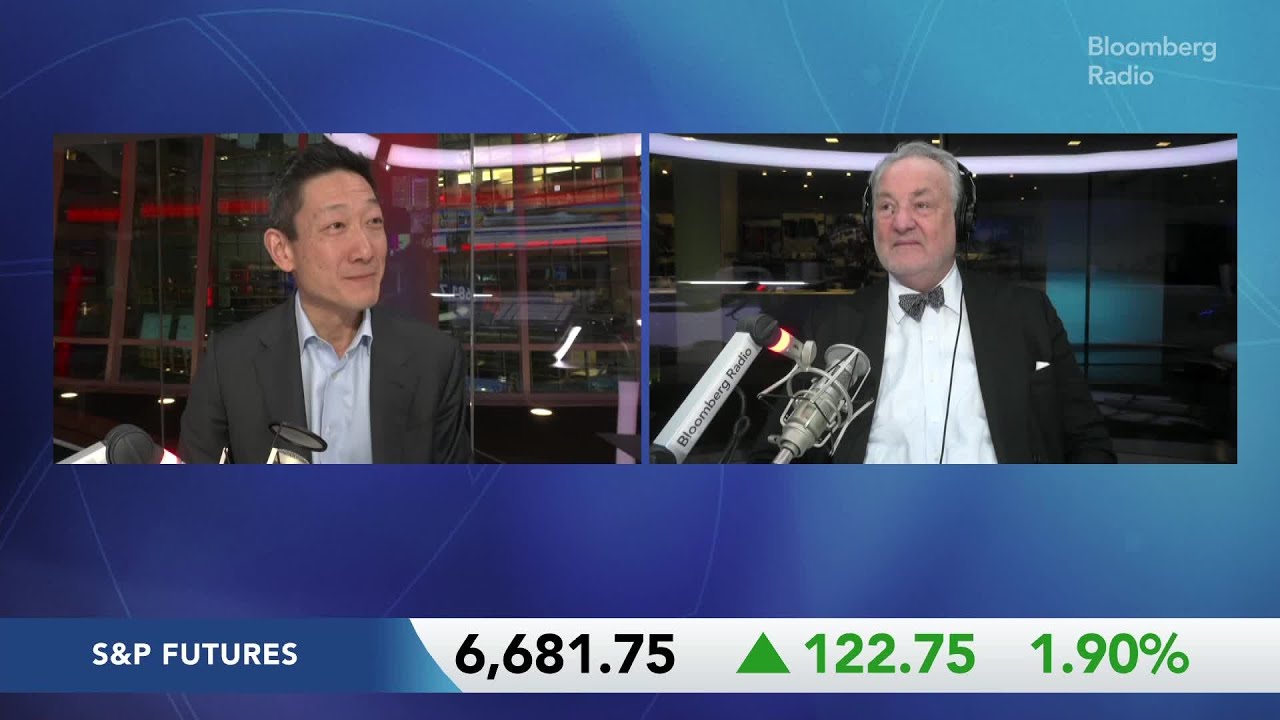
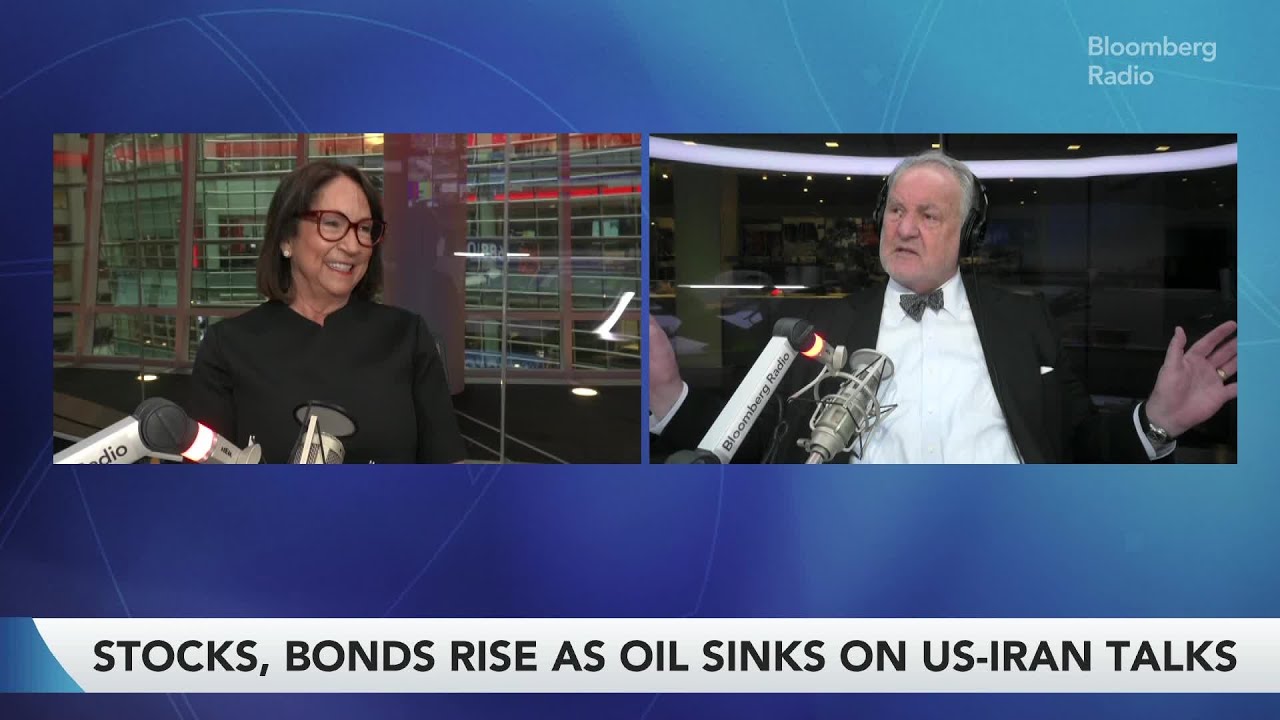
Nancy Tengler, CEO & CIO at Laffer Tengler Investments, examines long term opportunity beyond the geopolitical headlines.
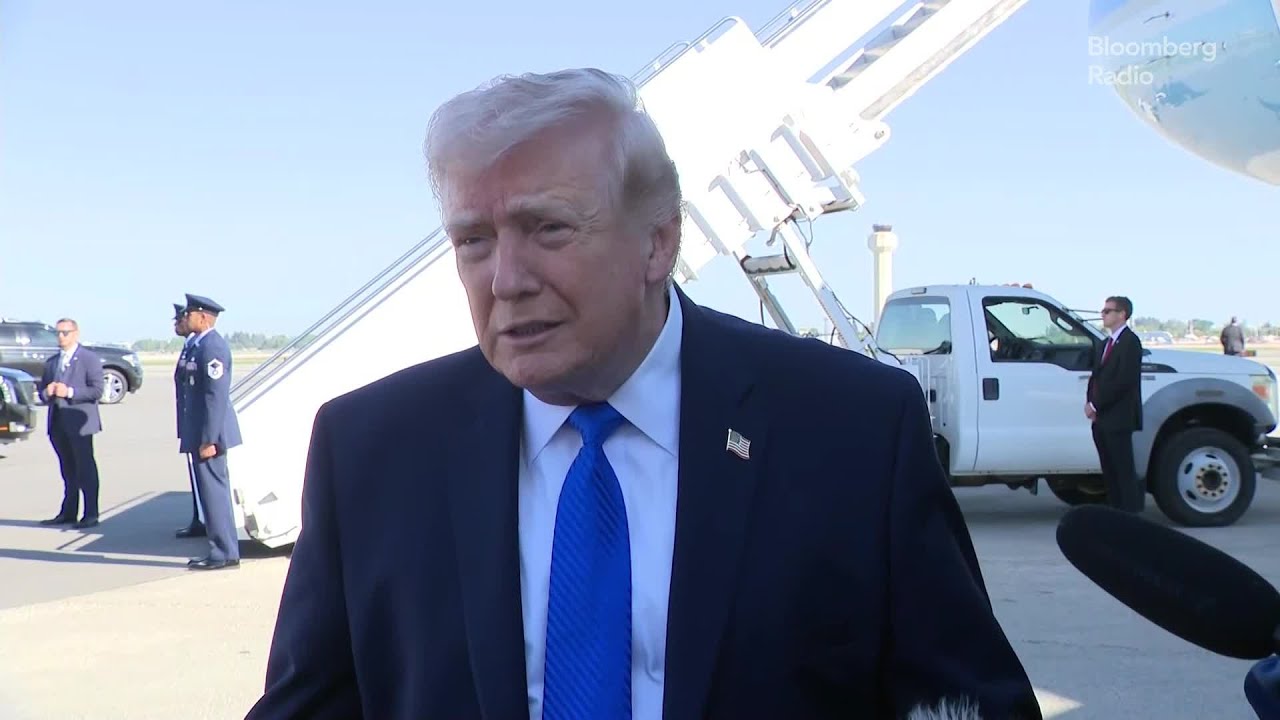
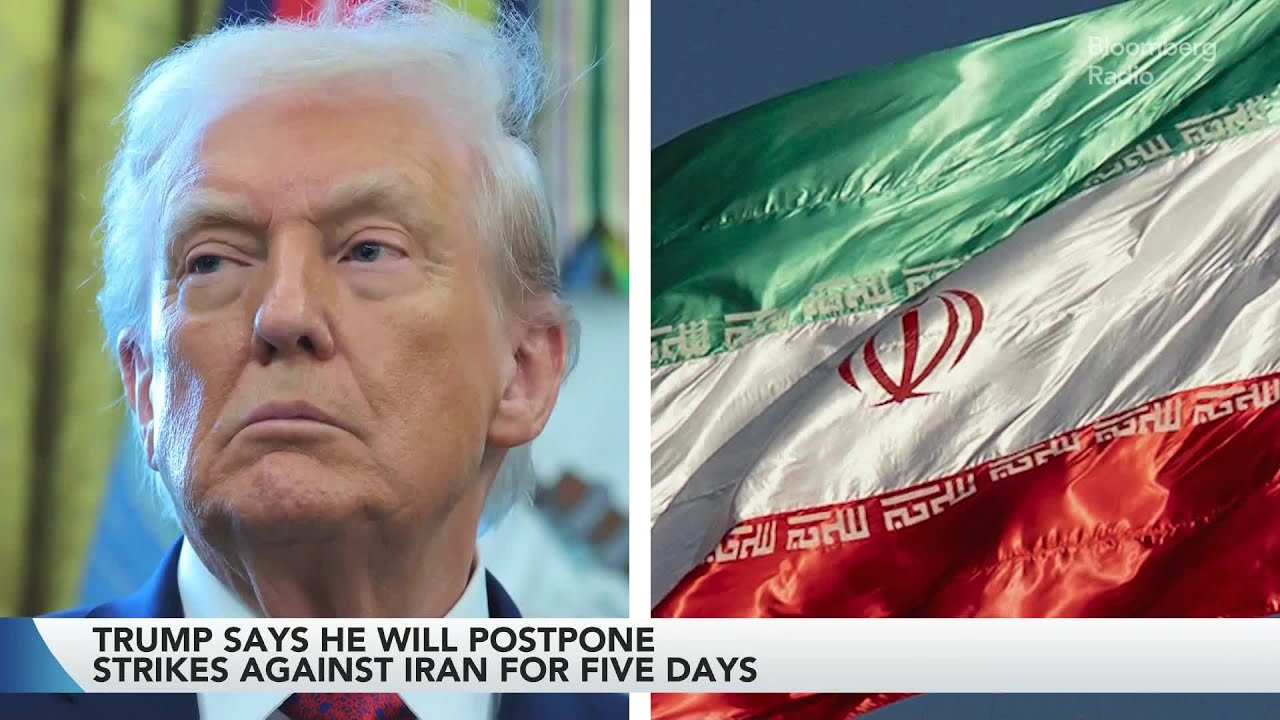
A possible de-escalation in the Middle East conflict rippled through markets, with oil falling and stocks rising as President Donald Trump said he’d postpone strikes on Iranian energy infrastructure after what he described as productive talks toward ending hostilities.
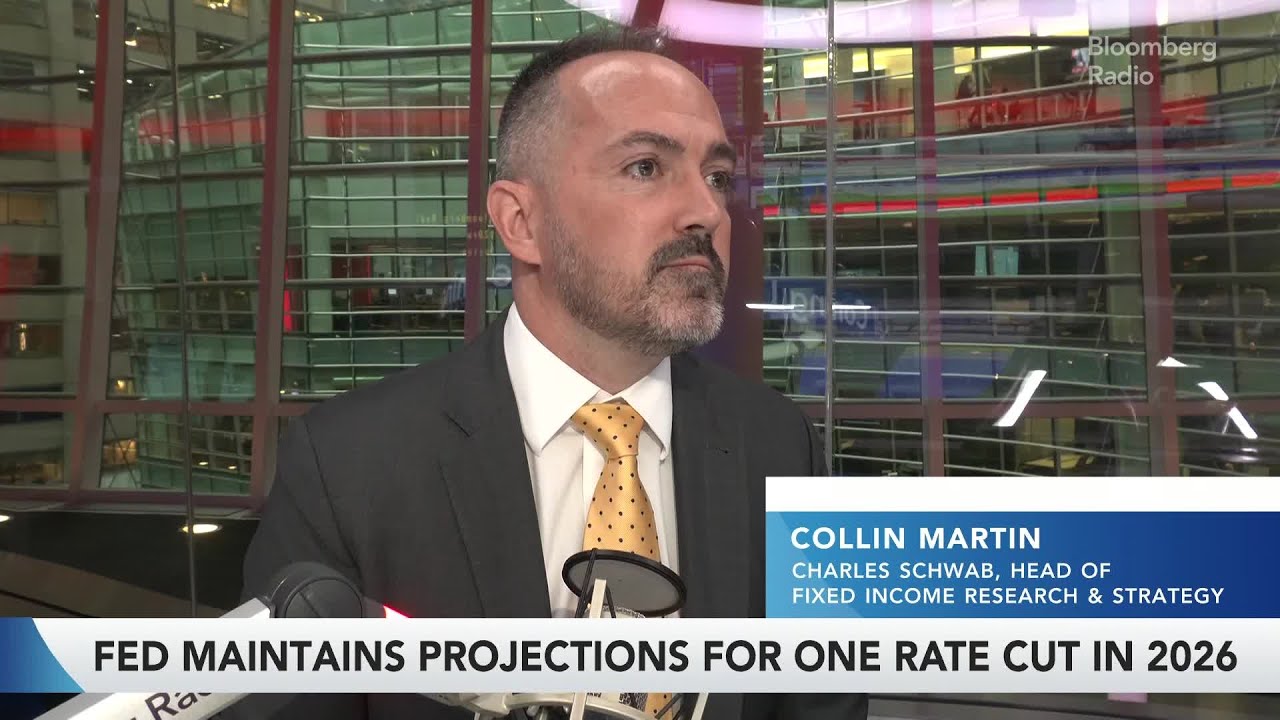
Brent dropped as much as 14% to $96, before paring its decline and hovering near $101 as Iran denied there had been negotiations. The S&P 500 added 1.7%. Treasury yields and the dollar retreated, with traders lightening bets on Federal Reserve tightening while pricing in some easing.
“The market woke up to some potentially good news,” said Chris Larkin at E*Trade from Morgan Stanley. “But follow-through on any relief rally will likely require tangible follow-through on the geopolitical front. We’re still living in a headline-driven market.”
The reversal came after Trump had given Iran until Monday evening New York time to reopen the Strait of Hormuz or face strikes on power plants. Instead, he said on Truth Social that he’d ordered a five-day pause on military action, citing “in-depth, detailed and constructive conversations.”
The abrupt shift caught traders off guard. There had been little sign of diplomatic progress before Trump’s post. Just hours earlier, Israel had launched strikes on Iranian infrastructure and Tehran was retaliating against Gulf nations.
Still, the damage to crude markets may linger well beyond any diplomatic breakthrough. It remains unclear how Iran will respond.
And if talks succeed, reopening the Strait — through which roughly a fifth of global oil supply flows — is unlikely to happen overnight, leaving shipping routes disrupted and energy traders pricing in prolonged supply uncertainty. A possible de-escalation in the Middle East conflict rippled through markets, with oil falling and stocks rising as President Donald Trump said he’d postpone strikes on Iranian energy infrastructure after what he described as productive talks toward ending hostilities.
While Brent pared its decline as Iran denied the discussions, it still dropped 10% to $101. The S&P 500 added 1.2%. Treasury yields and the dollar retreated, with traders backing off their bets on a more hawkish Federal Reserve, pricing in a few basis points worth of easing by the end of the year.
Stocks rise as oil falls.
“The market woke up to some potentially good news,” said Chris Larkin at E*Trade from Morgan Stanley. “But follow-through on any relief rally will likely require tangible follow-through on the geopolitical front. We’re still living in a headline-driven market.”
The reversal came after Trump had given Iran until Monday evening New York time to reopen the Strait of Hormuz. The US president said he was giving a five-day reprieve, pointing to new talks with Tehran he believed could broker a deal that would resolve the conflict.
“I just want to have as much oil in the system as possible,” Trump said, adding that prices will “drop like a rock” once a deal is achieved.
The abrupt shift caught traders off guard. There had been little sign of diplomatic progress before Trump’s post. Just hours earlier, Israel had launched strikes on Iranian infrastructure and Tehran was retaliating against Gulf nations.
Trump suggested the US and Iran could jointly control the Strait of Hormuz, the vital waterway that’s been essentially closed, roiling global markets. He said the strait could be open very soon “if it works.”
--------
Watch Bloomberg Radio LIVE on YouTube
Weekdays 7am-6pm ET
Follow us on X
Subscribe to our Podcasts:
Bloomberg Daybreak
Bloomberg Surveillance
Bloomberg Intelligence
Balance of Power
Bloomberg Businessweek
Listen on Apple CarPlay and Android Auto with the Bloomberg Business app:
Apple CarPlay
Android Auto
Visit our YouTube channels:
Bloomberg Podcasts
Bloomberg Television
Bloomberg Originals
Sentinel Indexing in Progress
Metadata and chapters are available. Claim extraction for this episode is pending.
All video content is delivered via YouTube embedded players in accordance with the YouTube Terms of Service. Sentinel provides research tools that promote discovery and accountability across political media.