Bloomberg Podcasts
@bloombergpodcasts·503K subscribers·32.4K videos
Iran President Reiterates Guarantees Sought Before Ending War
Posted
March 31, 2026
Views
4,782
Likes
54
Comments
37
Engagement
March 31, 2026
4,782
54
37
1.90%
Every word spoken in this episode is indexed. Type any phrase to jump straight to the moment it was said.
Type any word or phrase that may have been spoken. Click a result to seek the player to that exact moment.
Try a name, a topic, or a quoted line
 6:54Now Playing
Hagar Chemali, Former-Director for Syria and Lebanon at the National Security Council, and CEO and Founder of Greenwich Media Strategies says she doesn't envision a result where Iran retains control of the Strait of Hormuz.
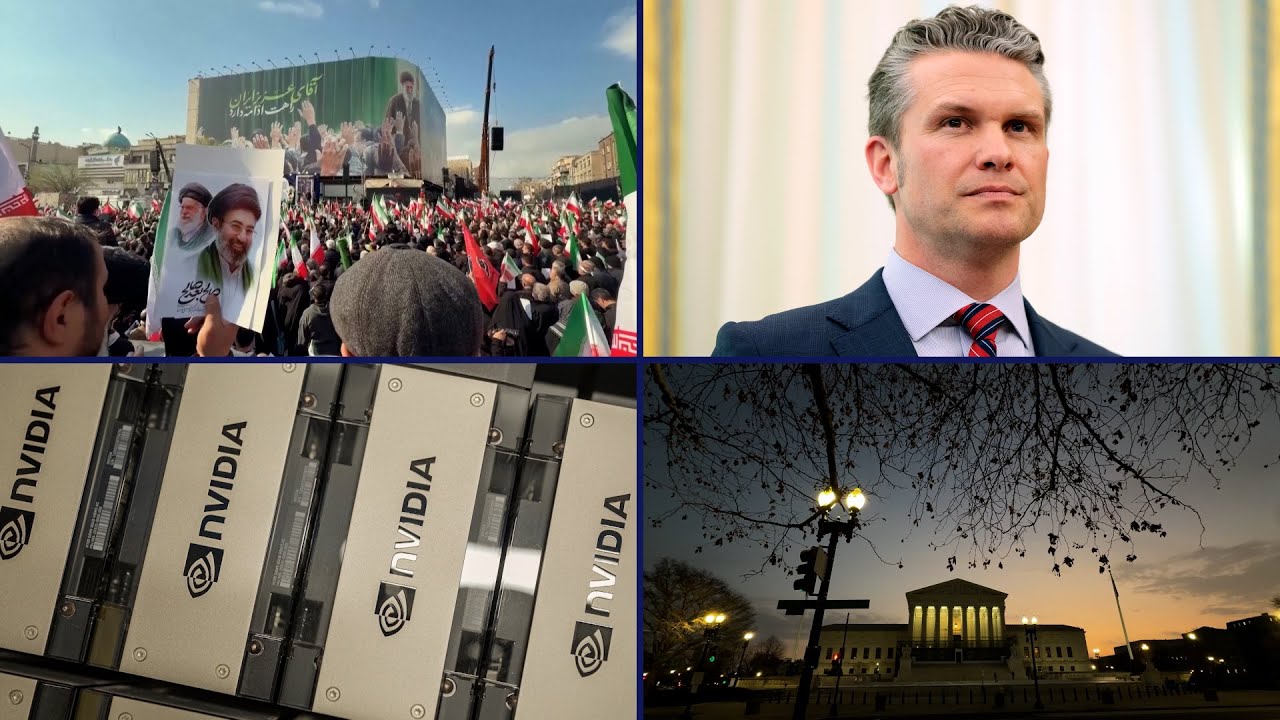
On Tuesday, Iranian President Masoud Pezeshkian reiterated that Iran wants certain requirements to be met before it ends the war against the US and Israel. On March 25, the country outlined those five points, which haven’t been changed since. They are summarized here:
A complete halt to US and Israeli attacks on Iran
The conclusion of the war across all fronts, including conflicts against Iran-backed groups throughout the Middle East
Pledges that the US and Israel won’t attack Iran again in future, including the establishment of mechanisms to ensure this
Payment of war damages and reparations
International recognition of Iran’s sovereign right to exercise authority over the Strait of Hormuz
US President Donald Trump said he’ll only consider a halt to attacks on Iran when the Strait of Hormuz is reopened, sowing further confusion about how long he’s prepared to continue the war.
Iran’s “New Regime President” has asked the US for a ceasefire, Trump said in a social-media post on Wednesday, possibly referring to comments Masoud Pezeshkian made Tuesday that the Islamic Republic has “the necessary will” to end this war — with certain guarantees.
“We will consider when Hormuz Strait is open, free, and clear,” Trump said. “Until then, we are blasting Iran into oblivion.”
Trump’s comments came a day after he suggested he’s keen to exit the conflict sooner rather than later — regardless of a ceasefire with Iran or a deal to open Hormuz, a vital shipping lane for global energy supplies. “We’ll leave because there’s no reason for us to do this,” he told reporters in the White House.
The US leader has vacillated throughout the month-long conflict between threatening a military escalation and saying a deal is imminent. Also on Wednesday, Reuters reported him as saying the US will be out of Iran “pretty quickly.”
Iran ensured Hormuz was closed off to most ships not long after the US and Israel began airstrikes on Feb. 28, and hasn’t offered any terms or timeline for a reopening. The future of the strait will be decided by Iran and Oman, Iran’s Foreign Minister Abbas Araghchi said Wednesday, according to the state-run Press TV.
Araghchi said previously his country has been in direct contact with US Special Envoy Steve Witkoff, but told Al Jazeera that “does not mean that we are in negotiations.”
Hormuz won’t be opened based on the “absurd displays of the American president,” state-run IRIB added, citing a statement by the Islamic Revolutionary Guard Corps.
Meanwhile, Iran fired missiles across the Middle East and Israel and the US kept up their bombardment of the Islamic Republic for a fifth week.
Israel, Bahrain, Kuwait and the United Arab Emirates all reported attacks overnight and into Wednesday, while QatarEnergy said a fuel oil tanker was struck in Qatari waters. That incident highlighted the ongoing threat to regional shipping and the month-long effective closure of Hormuz, which has choked off key commodities including fertilizer as well as oil and gas.
--------
Watch Bloomberg Radio LIVE on YouTube
Weekdays 7am-6pm ET
Follow us on X
Subscribe to our Podcasts:
Bloomberg Daybreak
Bloomberg Surveillance
Bloomberg Intelligence
Balance of Power
Bloomberg Businessweek
Listen on Apple CarPlay and Android Auto with the Bloomberg Business app:
Apple CarPlay
Android Auto
Visit our YouTube channels:
Bloomberg Podcasts
Bloomberg Television
Bloomberg Originals
Sentinel Indexing in Progress
Metadata and chapters are available. Claim extraction for this episode is pending.
All video content is delivered via YouTube embedded players in accordance with the YouTube Terms of Service. Sentinel provides research tools that promote discovery and accountability across political media.