Bloomberg Podcasts
@bloombergpodcasts·503K subscribers·32.4K videos
Stocks Get Relief Rally After Truce as Oil Tumbles
Posted
April 8, 2026
Views
831
Likes
12
Comments
2
Engagement
1.68%
April 8, 2026
831
12
2
1.68%
Every word spoken in this episode is indexed. Type any phrase to jump straight to the moment it was said.
Type any word or phrase that may have been spoken. Click a result to seek the player to that exact moment.
Try a name, a topic, or a quoted line
 3:15Now Playing
Darius Dale, Founder & CEO at 42 Macro, discusses current market risk amid conflict in the Middle East.
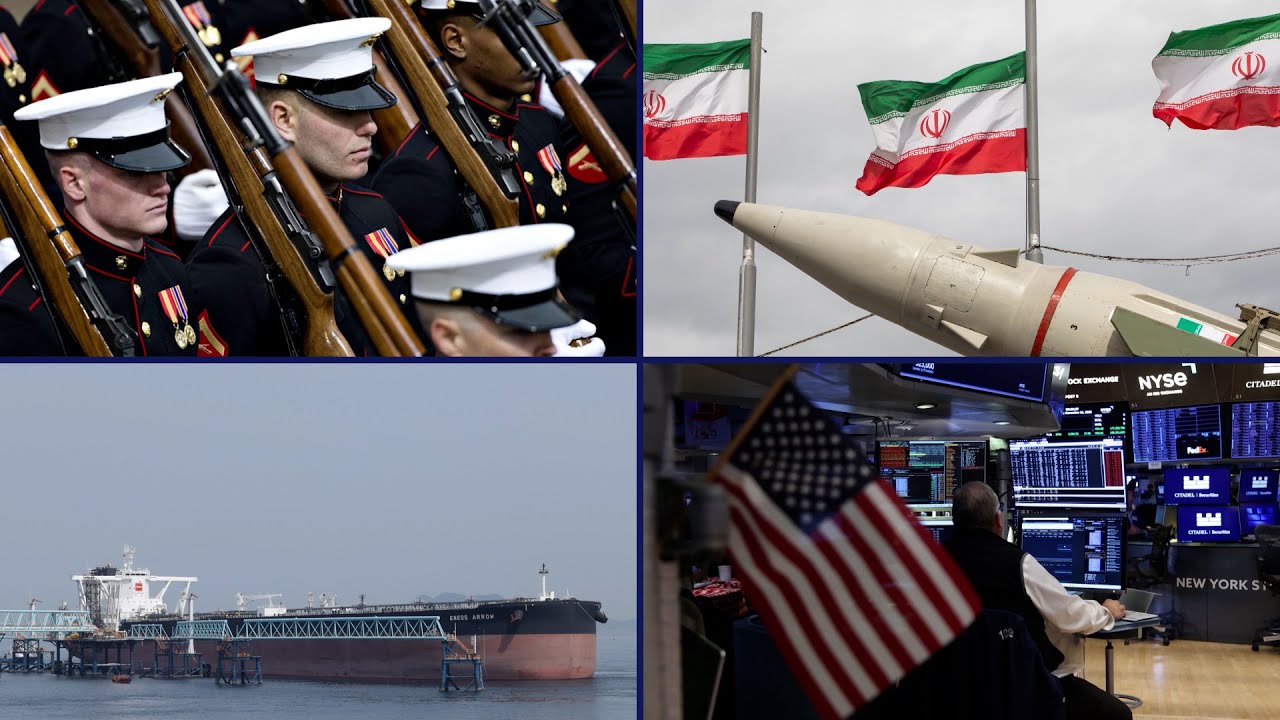
A wave of optimism swept through global markets, lifting stocks and bonds while driving oil toward its biggest plunge in six years after the US and Iran reached a ceasefire deal.
The sharp rebound in risk appetite drove the S&P 500 up about 2.5%. A tumble in oil to $95 eased concern about an energy crisis that could fuel inflation, reviving bets the Federal Reserve will cut interest rates in 2026. As the haven bid waned, the dollar erased its advance for the year.
Wall Street’s so-called fear gauge - the VIX - hit pre-war levels. Airlines, which had been pummeled by worries about skyrocketing fuel prices, soared. Emerging-market shares were on track for their biggest advance since the onset of the pandemic. Bitcoin topped $71,000.
Just about 90 minutes before President Donald Trump’s deadline for Iran to agree to a ceasefire and reopen the Strait of Hormuz, a two-week truce was announced. While there have been reports of ongoing regional hostilities, the accord helped ease worries about a global economic crisis.
“The reaction was classic macro playbook,” said Fawad Razaqzada at Forex.com. “Risk assets caught a bid, crude tumbled, and the dollar gave back a chunk of its safe-haven premium.”
While the passage of oil tankers through the Strait of Hormuz was reportedly halted amid Israeli attacks on Lebanon, that wasn’t enough to jolt markets.
“Investors are confident that oil prices could ease further and the Strait of Hormuz will re-open again and hopefully stay open beyond the two-week ceasefire period,” Razaqzada said. “The ceasefire is a clear positive, but it’s not a resolution,” said Mark Hackett at Nationwide. “What stands out is how quickly the market flipped once the pressure eased. When positioning gets this crowded, it doesn’t take much to spark a reversal.”
At Barclays Plc, Emmanuel Cau said equities were prone to a “powerful short squeeze,” with hedge funds removing protections put in place to shield against war risks.
Hedge funds are rushing to close out bets against US stocks at a pace not seen since the market rebounded from the crash set off by the pandemic, according to Goldman Sachs Group Inc.’s trading desk division.
A temporary truce allowed global investors to begin contemplating the restructuring of portfolios and a re-rotation of sector leadership in anticipation of a more long-lasting cessation of hostilities, according to Sam Stovall at CFRA Research.
He noted that the response following the recession and bear market that coincided with Iraq’s invasion of Kuwait in 1990 may serve as a guide. Three months after oil prices peaked and then tumbled, the S&P 500 jumped 12.4%.
“What’s more, sector leadership rotated from defensive holdings back into cyclical groups,” Stovall added. “A similar rotation could take place this time around should the ceasefire be maintained.”
From an economic standpoint, minutes of the Fed’s March policy meeting showed most officials worried a protracted war could hurt the jobs market and warrant lower rates. Meantime, many policymakers highlighted the risk to inflation.
“These minutes are very backward looking,” said David Russell at TradeStation. “Relief in the oil market removes inflation as a meaningful risk for now.”
--------
Watch Bloomberg Radio LIVE on YouTube
Weekdays 7am-6pm ET
Follow us on X
Subscribe to our Podcasts:
Bloomberg Daybreak
Bloomberg Surveillance
Bloomberg Intelligence
Balance of Power
Bloomberg Businessweek
Listen on Apple CarPlay and Android Auto with the Bloomberg Business app:
Apple CarPlay
Android Auto
Visit our YouTube channels:
Bloomberg Podcasts
Bloomberg Television
Bloomberg Originals
Sentinel Indexing in Progress
Metadata and chapters are available. Claim extraction for this episode is pending.
All video content is delivered via YouTube embedded players in accordance with the YouTube Terms of Service. Sentinel provides research tools that promote discovery and accountability across political media.