Bloomberg Podcasts
@bloombergpodcasts·503K subscribers·32.4K videos
Fed Beige Book Says Iran War Driving New Wave of Uncertainty
Posted
April 15, 2026
Views
638
Likes
3
Engagement
0.47%
April 15, 2026
638
3
0.47%
Every word spoken in this episode is indexed. Type any phrase to jump straight to the moment it was said.
Type any word or phrase that may have been spoken. Click a result to seek the player to that exact moment.
Try a name, a topic, or a quoted line
See what was published immediately before and after this episode.
 5:01Now Playing
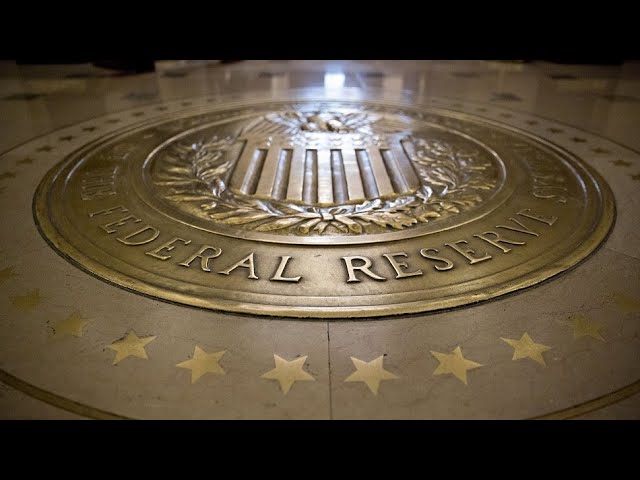
US economic activity continued to increase at a slight-to-modest pace across most regions as the war with Iran generated a new wave of uncertainty and higher energy costs, the Federal Reserve reported in its Beige Book survey of regional business contacts. Mike McKee reports. War in the Middle East has given US companies a headache that extends well beyond dealing with higher energy costs, the Federal Reserve said.
“The conflict in the Middle East was cited as a major source of uncertainty that complicated decision-making around hiring, pricing and capital investment, with many firms adopting a wait-and-see posture,” the central bank reported in its Beige Book survey of regional business contacts released Wednesday.
Despite that higher uncertainty, economic activity continued to increase at a slight-to-modest pace across most US regions, the Fed said.
Price growth remained moderate overall, but energy and fuel costs leapt in all 12 Fed districts. The report also noted that price pressures were bleeding beyond energy.
“Energy and fuel costs rose sharply in all districts, attributed to the Middle East conflict, leading to higher freight and shipping costs and higher prices for plastics, fertilizers and other petroleum-based products,” the Fed said. “Input cost pressures beyond energy-related increases were also widespread.”
The oil shock spurred by the conflict has sent gasoline prices in the US to their highest level since 2022, leading US inflation to jump in March.
The report featured information compiled by the New York Fed and collected through April 6. Several Fed policymakers have signaled a preference to keep borrowing costs steady for quite some time while they evaluate the economic data. Officials are expected to leave their benchmark rate unchanged when they meet on April 28-29, according to pricing in futures contracts.
A growing number of officials are concerned the war could fuel inflation, and more favored language at their March gathering that would have made it clear the Fed may need to raise interest rates.
On the employment side, the US labor market remained stable across most districts. The report added, however, that “several districts noted increased demand for temporary or contract workers, as firms remained cautious about committing to permanent hires.”
A separate government report released earlier this month showed US job growth rebounded in March and the unemployment rate fell, pointing to some stabilization in the labor market as the war with Iran began.
Some firms surveyed for the Beige Book said AI-driven productivity gains had made it possible to delay or reduce hiring. Most districts reported, however, that AI had not yet meaningfully affected overall staffing levels.
--------
Watch Bloomberg Radio LIVE on YouTube
Weekdays 7am-6pm ET
Follow us on X
Subscribe to our Podcasts:
Bloomberg Daybreak
Bloomberg Surveillance
Bloomberg Intelligence
Balance of Power
Bloomberg Businessweek
Listen on Apple CarPlay and Android Auto with the Bloomberg Business app:
Apple CarPlay
Android Auto
Visit our YouTube channels:
Bloomberg Podcasts
Bloomberg Television
Bloomberg Originals
Sentinel Indexing in Progress
Metadata and chapters are available. Claim extraction for this episode is pending.
All video content is delivered via YouTube embedded players in accordance with the YouTube Terms of Service. Sentinel provides research tools that promote discovery and accountability across political media.