Bloomberg Podcasts
@bloombergpodcasts·503K subscribers·32.4K videos
US, Iran Weigh Longer Truce; Pakistan Steps Up Mediation
Posted
April 16, 2026
Views
6,711
Likes
32
Comments
13
Engagement
April 16, 2026
6,711
32
13
0.67%
Every word spoken in this episode is indexed. Type any phrase to jump straight to the moment it was said.
Type any word or phrase that may have been spoken. Click a result to seek the player to that exact moment.
Try a name, a topic, or a quoted line
See what was published immediately before and after this episode.
 6:44Now Playing
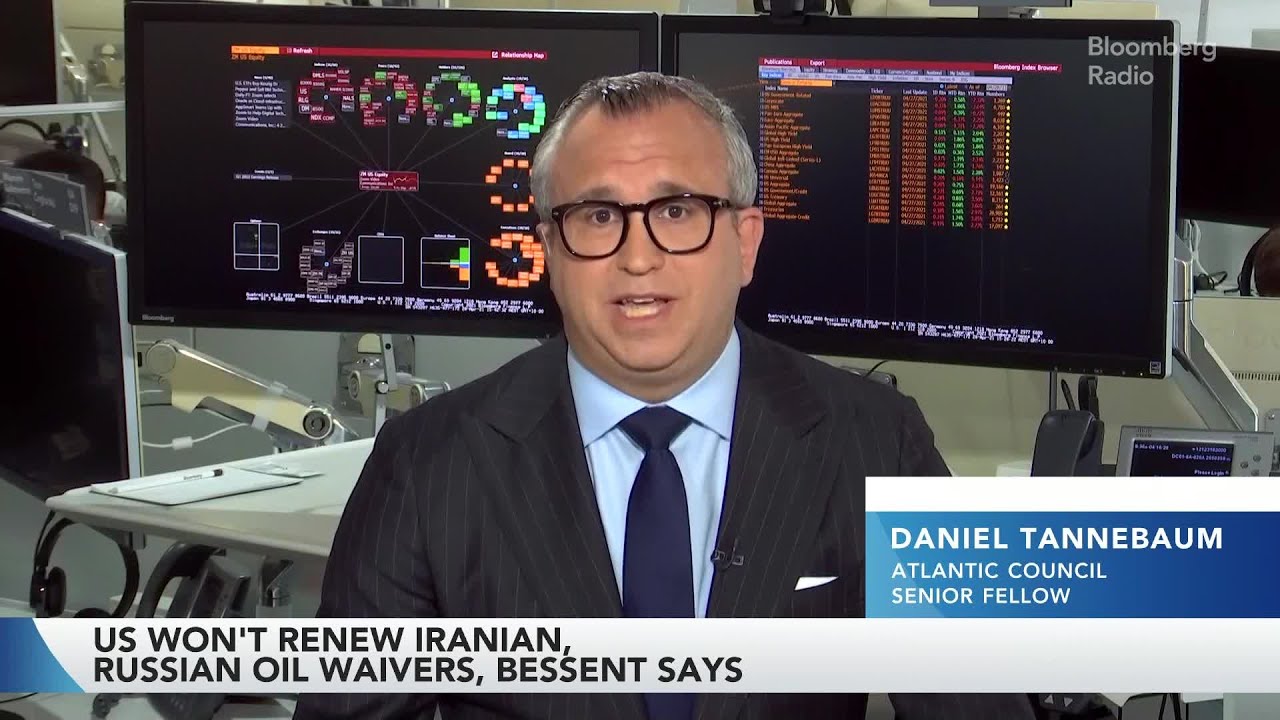
Dan Tannebaum, Partner at Oliver Wyman & Senior Fellow at the Atlantic Council, reacts to comments from a Pentagon news briefing and weighs-in on the likelihood of a US-Iran peace deal.
Pakistan stepped up efforts to ensure the US and Iran prolong a ceasefire beyond its official expiry date next week, to allow more time to negotiate a lasting peace deal.
Market expectations that the warring sides are approaching a formal end the conflict have risen in the past two days, with many stock exchanges reversing their wartime losses and even hitting record highs. That’s despite extensive damage to Gulf energy infrastructure and the effective closure of the strategic Strait of Hormuz.
The US and Iran are considering a two-week ceasefire extension, according to a person familiar with the matter, who asked not to be identified discussing sensitive matters. Neither side wants to resume fighting, said another person familiar with the discussions, with the war having devastated Iran’s infrastructure and sent fuel prices soaring, including in the US.
Still, there are many contentious issues for the countries to resolve. Those include the reopening of Hormuz — a key waterway for energy supplies — Iran’s nuclear and missile programs, sanctions relief for the Islamic Republic, and the ongoing war in Lebanon between Israel and Tehran-backed Hezbollah.
For now, Washington and Tehran are saying they haven’t agreed to any ceasefire that lasts beyond late Tuesday US time. Pre-war planning meant Iran’s military was able to mitigate the impact of US-Israeli strikes on its weapons arsenal and leadership, according to Western military intelligence assessments — which also say it retains the ability to respond if the ceasefire fails.
The country has sustained massive damage to its infrastructure and its most senior leaders have been killed. But operational planning undertaken in anticipation of the conflict was effective in preventing the destruction of its missile and drone capabilities as well as maximizing the impact of its military response, people familiar with the assessments said, requesting anonymity discussing private reports.
These provide a much more nuanced picture of the outcomes of the US-Israeli operation than that portrayed by President Donald Trump and US administration officials. The effectiveness of Iran’s earlier military planning also raises the prospect that it could use the current ceasefire to make preparations for any resumption of hostilities.
“Iran has been totally OBLITERATED, Militarily, and otherwise,” Trump posted on Truth Social on Monday. When the president announced the ceasefire last week, he said the US had “already met and exceeded all military objectives.”
Instead, plans put in place by Iran to replace senior military leaders in the event they were killed meant the country was able to minimize disruption to its command structures when they were targeted in the first days of the war, the people said.
It also appears that Iran retains solid reserves of long-range missiles, according to assessments provided by European and Gulf officials. It still has thousands of drones in its armory, the people added.
Iran’s missile stocks are a closely guarded secret. Some Western officials privately claim the US would need to conduct around two to three more weeks of strikes to completely degrade Iranian capabilities. But others say that may be an optimistic scenario: it could take longer, and Iran’s industrial and nuclear capabilities may still not be wiped out.
Iran has dispersed its missile launchers and drone infrastructure across the country and also shifts launchers around to different sites, making it harder for the US to quickly eliminate them.
The picture sits at odds with the assessment of Defense Secretary Pete Hegseth at a press briefing on April 8: “By any measure, Epic Fury decimated Iran’s military and rendered it combat ineffective for years to come,” he said, using the administration’s name for its operation.
-------
Watch Bloomberg Radio LIVE on YouTube
Weekdays 7am-6pm ET
Follow us on X
Subscribe to our Podcasts:
Bloomberg Daybreak
Bloomberg Surveillance
Bloomberg Intelligence
Balance of Power
Bloomberg Businessweek
Listen on Apple CarPlay and Android Auto with the Bloomberg Business app:
Apple CarPlay
Android Auto
Visit our YouTube channels:
Bloomberg Podcasts
Bloomberg Television
Bloomberg Originals
Sentinel Indexing in Progress
Metadata and chapters are available. Claim extraction for this episode is pending.
All video content is delivered via YouTube embedded players in accordance with the YouTube Terms of Service. Sentinel provides research tools that promote discovery and accountability across political media.