Bloomberg Podcasts
@bloombergpodcasts·503K subscribers·32.4K videos
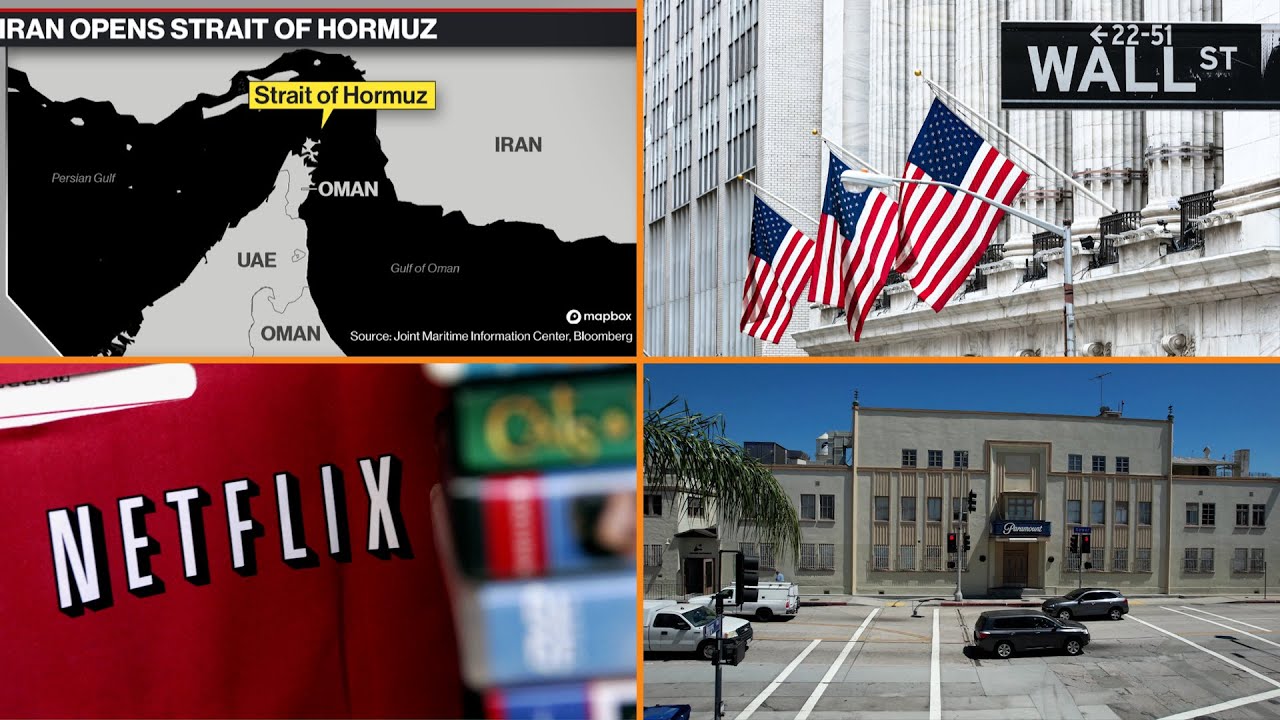
Iran Says Hormuz Strait Now Completely Open for Commercial Ships
Posted
April 17, 2026
Views
13,273
Likes
169
Comments
67
Engagement
April 17, 2026
13,273
169
67
1.78%
Every word spoken in this episode is indexed. Type any phrase to jump straight to the moment it was said.
Type any word or phrase that may have been spoken. Click a result to seek the player to that exact moment.
Try a name, a topic, or a quoted line
See what was published immediately before and after this episode.
 4:40
4:40 3:00Now Playing
Iran announced that the Strait of Hormuz is now “completely open” for commercial traffic, a major step toward ending a war with the US and Israel that’s sent energy prices surging.
“In line with the ceasefire in Lebanon, the passage for all commercial vessels through Strait of Hormuz is declared completely open for the remaining period of ceasefire,” Foreign Minister Abbas Araghchi said on X. Ships can move on the “coordinated route as already announced” by Iranian authorities. Bloomberg's Patrick Sykes joins to discuss. Iran said it would open the Strait of Hormuz for the duration of a 10-day ceasefire between Israel and Hezbollah in Lebanon, increasing the prospect of an agreement to end the wider war in the Middle East.
The critical waterway for global energy supplies, which has been effectively shut since the US and Israel starting bombing Iran at the end of February, is now “completely open” for commercial shipping, Iran’s Foreign Minister Abbas Araghchi said in a post on X on Friday, citing the Lebanon truce as the reason.
Oil prices plunged on the surprise announcement, with global benchmark Brent crude declining more than 10% to $89 a barrel, as expectations rose of an ease to global supply shortages.
Araghchi’s comments came after Israel and Iran-backed Hezbollah looked on Friday to be observing a truce announced by US President Donald Trump the previous evening. Their ongoing conflict had been complicating efforts by Washington and Tehran to agree to an extension to their own ceasefire beyond its official expiry date next week.
Hormuz is “open and ready for business,” Trump said on Truth Social on Friday, after the Iranian announcement. However, a US naval blockade on the strait — designed to stop Iran from shipping oil to global markets — would remain in place until a broader agreement is reached, he said.
“Most of the points are already negotiated,” he added. Trump on Thursday said Iran had made key concessions in a negotiation to end the war, saying it may not be necessary to renew the two-week truce that started April 7.
Iran has yet to comment on Trump’s claims that Tehran has ceded ground — including over the key issue of its nuclear program — though the Hormuz announcement is an indication of improved relations between the sides.
Trump reiterated that the Islamic Republic “will not have nuclear weapons,” and pushed back against suggestions that a fixed-term moratorium on uranium enrichment is up for negotiation.
The two sides are negotiating a three-page plan to end the war, Axios reported, with one aspect being that the US would release $20 billion in frozen Iranian funds in return for Tehran giving up its stockpile of enriched uranium. Axios cited to two US officials and two additional sources briefed on the talks that it didn’t identify.
Trump said the US is pursuing Iran’s uranium but “no money will exchange hands in any way, shape, or form.”
Trump’s predictions of a quick end to the war have been a regular fixture of the conflict, which has killed thousands and triggered a surge in energy prices, but Friday’s more substantial developments are reinforcing optimism in global markets.
The S&P 500 rose 0.8% on the Hormuz announcement after notching back-to-back record highs, while the dollar lost ground against all major peers. Israel and Lebanon’s ceasefire was agreed after the issue frustrated an initial round of talks in Pakistan last weekend. While the initial deal announcement didn’t mention Hezbollah, the militant group stopped launching rockets into Israel overnight and supporters celebrated by firing guns in Beirut.
Israeli Prime Minister Benjamin Netanyahu confirmed the agreement, calling it a step toward a broader peace, and Trump said US officials would work with both sides to secure a lasting deal.
Israel had been fighting Hezbollah in southern Lebanon since just after the start of the US-Israeli bombing of Iran on Feb. 28. The Israeli military has occupied large parts of southern Lebanon as part of the campaign, which Lebanese authorities say has killed more 2,000 people and displaced a million more.
--------
Watch Bloomberg Radio LIVE on YouTube
Weekdays 7am-6pm ET
Follow us on X
Subscribe to our Podcasts:
Bloomberg Daybreak
Bloomberg Surveillance
Bloomberg Intelligence
Balance of Power
Bloomberg Businessweek
Listen on Apple CarPlay and Android Auto with the Bloomberg Business app:
Apple CarPlay
Android Auto
Visit our YouTube channels:
Bloomberg Podcasts
Bloomberg Television
Bloomberg Originals
Sentinel Indexing in Progress
Metadata and chapters are available. Claim extraction for this episode is pending.
All video content is delivered via YouTube embedded players in accordance with the YouTube Terms of Service. Sentinel provides research tools that promote discovery and accountability across political media.