Bloomberg Podcasts
@bloombergpodcasts·503K subscribers·32.4K videos
S&P 500 Eyes Third Week of Over 3% Gains
Posted
April 17, 2026
Views
1,875
Likes
10
Engagement
0.53%
April 17, 2026
1,875
10
0.53%
Every word spoken in this episode is indexed. Type any phrase to jump straight to the moment it was said.
Type any word or phrase that may have been spoken. Click a result to seek the player to that exact moment.
Try a name, a topic, or a quoted line
See what was published immediately before and after this episode.
 6:11Now Playing
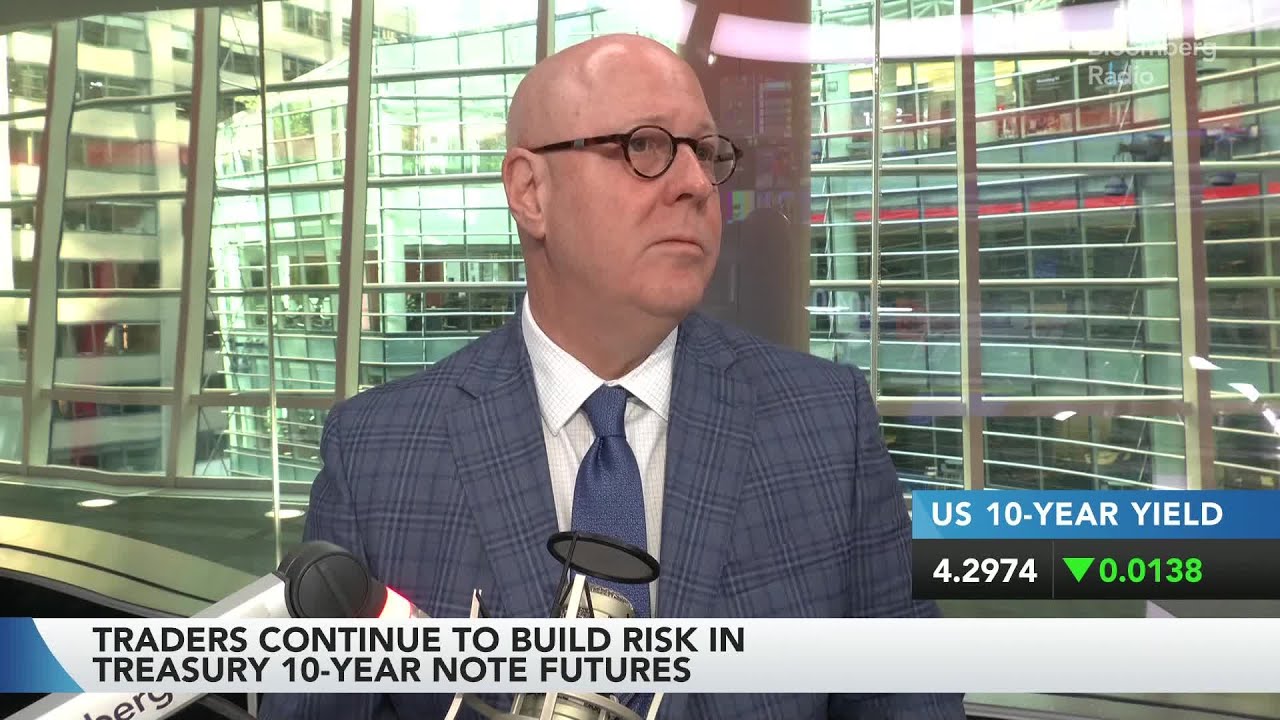
Darrell Cronk, President of Wells Fargo Investment Institute, breaks down his expectations for earnings season and how he views the markets amid war-related volatility.
Equities climbed after Iran announced that the Strait of Hormuz is now “completely open” for commercial traffic, prompting traders to take on more risk after an extraordinary rally. Oil and the dollar tumbled.
The S&P 500 rose 1.2% after the benchmark notched back-to-back record highs. The index is on course for a third week of gains of more than 3%, a stunning reversal following mounting signs that the US and Iran have been looking to deescalate the conflict that has roiled energy markets. Optimism over artificial intelligence and robust earnings have added to the momentum.
Brent crude dropped below $90 a barrel after a social media post attributed to Iran’s foreign minister said the passage for commercial vessels through Hormuz, a critical chokepoint for global energy supplies, was open. A 10-day ceasefire between Israel and Lebanon is also in effect.
Separately, President Donald Trump said a naval blockade will remain in full force and in effect until a deal is reached. The president previously claimed that Iran has made key concessions in negotiations with the US. Axios reported that one element under discussion involved the US releasing $20 billion in frozen Iranian funds in exchange for Tehran giving up its enriched uranium stockpile. Trump later posted “no money will exchange hands in any way, shape, or form.”
Some on Wall Street suggested investors exercise caution and wait for a fully flushed out deal and other details to emerge.
The dominance of currencies of commodity-exporting countries since war in Iran broke out underscores the importance of the energy input in FX markets. Expect that dynamic to hold, so long as oil prices remain above pre-conflict levels.
The Norwegian krone and Australian dollar have outperformed Group of 10 peers since end-February, based on effective exchange rates against the dollar. Near the other end of the spectrum is the yen, which has been dragged by Japan’s status as an energy importer. Other rankings can be explained by idiosyncratic factors -- more favorable positioning dynamics in the pound’s case, and a mismatch between economic fundamentals and interest-rate expectations for the New Zealand dollar.
The risk sentiment that has driven currency markets, as noted by Cameron Crise, is very much a function of energy-related catalysts. The question now is whether a shift in relative FX performance is afoot, given signs of progress toward a peace deal between the US and Iran.
Yet despite more encouraging headlines, Brent crude prices remain more than 20% above levels seen prior to the conflict. With markets far from shaking off the energy shock, currencies of commodity exporters are likely to sustain their outperformance for quite some time.
--------
Watch Bloomberg Radio LIVE on YouTube
Weekdays 7am-6pm ET
Follow us on X
Subscribe to our Podcasts:
Bloomberg Daybreak
Bloomberg Surveillance
Bloomberg Intelligence
Balance of Power
Bloomberg Businessweek
Listen on Apple CarPlay and Android Auto with the Bloomberg Business app:
Apple CarPlay
Android Auto
Visit our YouTube channels:
Bloomberg Podcasts
Bloomberg Television
Bloomberg Originals
Sentinel Indexing in Progress
Metadata and chapters are available. Claim extraction for this episode is pending.
All video content is delivered via YouTube embedded players in accordance with the YouTube Terms of Service. Sentinel provides research tools that promote discovery and accountability across political media.