Bloomberg Podcasts
@bloombergpodcasts·503K subscribers·32.4K videos
Trump Says He's Under 'No Pressure' to Make Quick Iran Deal
Posted
April 20, 2026
Views
8,250
Likes
45
Comments
29
Engagement
April 20, 2026
8,250
45
29
0.90%
Every word spoken in this episode is indexed. Type any phrase to jump straight to the moment it was said.
Type any word or phrase that may have been spoken. Click a result to seek the player to that exact moment.
Try a name, a topic, or a quoted line
 7:11Now Playing
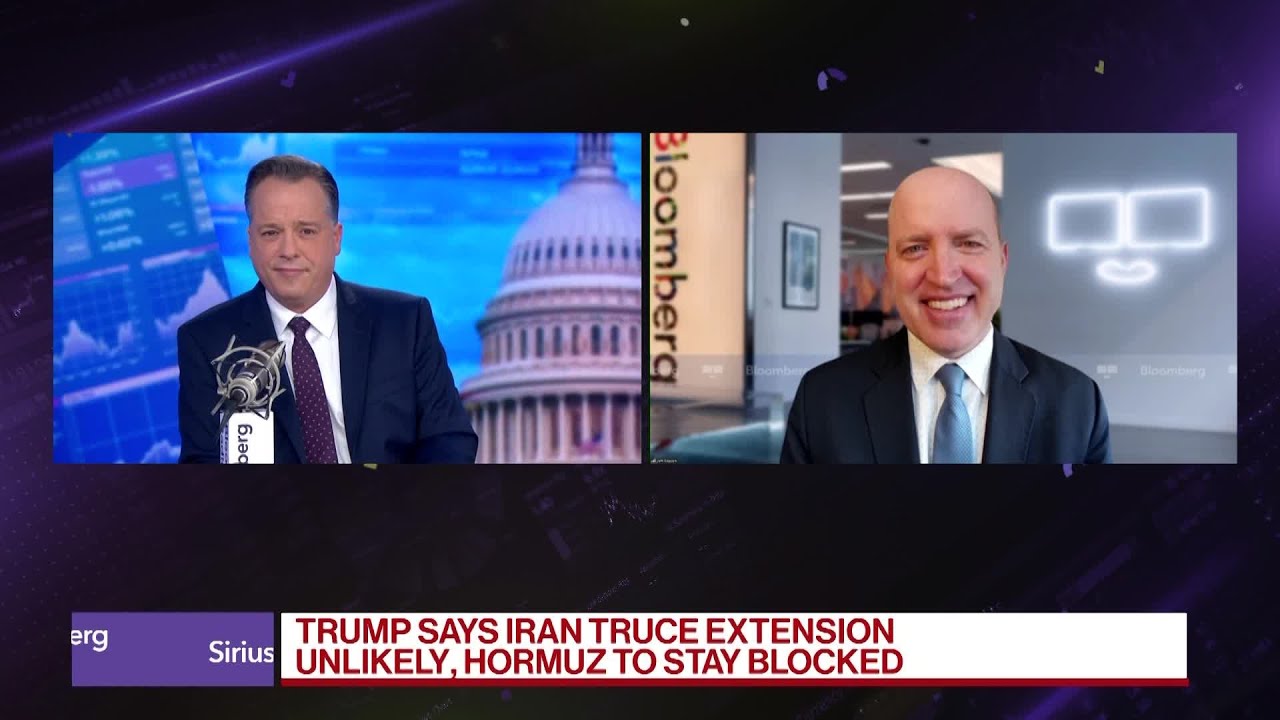
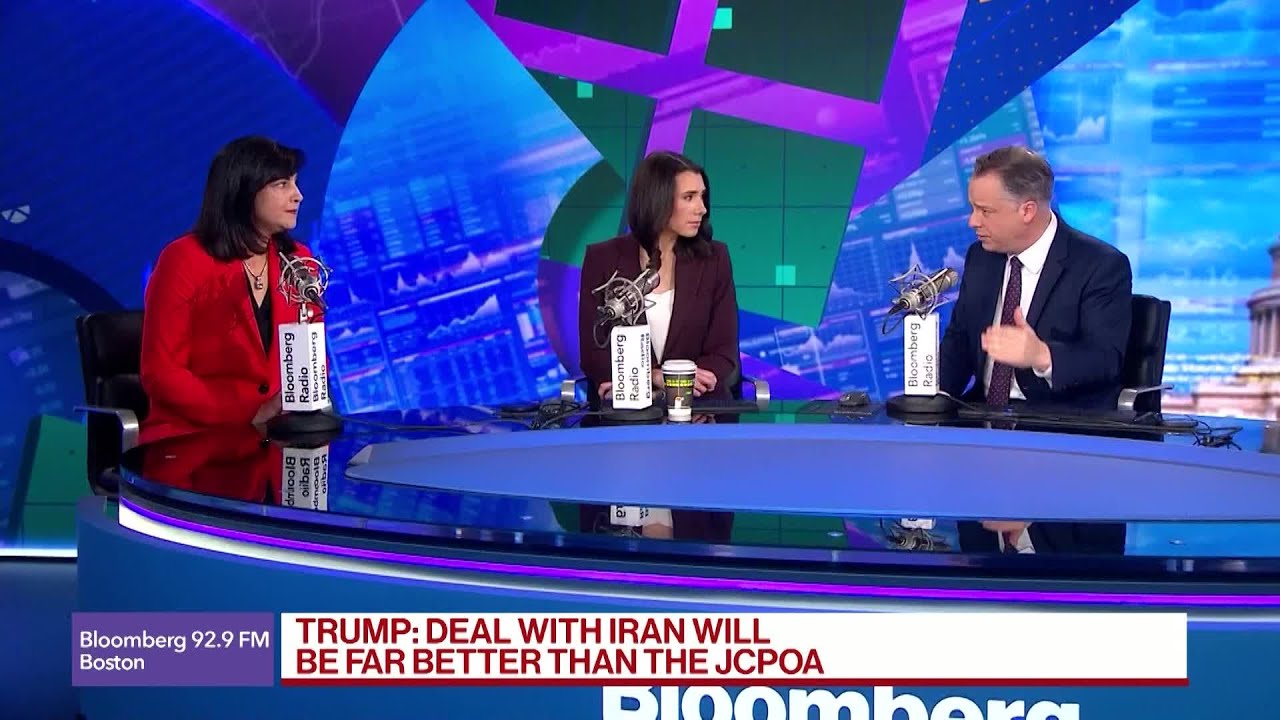
Republican Representative Nicole Malliotakis said that while the US has the upper hand in negotiations with Iran, lawmakers need to be realistic about the impact constituents are feeling at home and the resulting political pressure on the Republican party. The New York Congresswoman also said that Congress must extend the Foreign Intelligence Surveillance Act Section 702 because it's critically important to confronting the threat of terrorism.
Commercial traffic through the Strait of Hormuz is at a virtual standstill after a brief and confused reopening over the weekend ended with the first US seizure of an Iranian vessel — underscoring just how difficult it will be to restore activity in the vital strait.
Transits through the waterway have reduced to a trickle over seven weeks of war in the Persian Gulf, as Iran tightens control in retaliation for US and Israeli strikes. On Friday, that paralysis appeared to be at an end as Iran and the US announced a reopening, prompting oil to plunge and vessels to rush for the crossing — only for the situation to rapidly unravel.
By Sunday, the US navy had seized an Iranian cargo ship in waters off the Iranian port of Jask in the Gulf of Oman as it headed toward Hormuz — the first such move during this US blockade — raising the stakes for shipowners operating across the region and widening the area seen to be risky for transits. Benchmark oil jumped in response, as a historic supply crisis begins to look even more prolonged.
“The continued volatility will deter most, if not all shipowners, to adopt a cautious ‘wait and see’ approach,” said Ivan Mathews, head of APAC analysis at Vortexa Ltd.
As of Monday early afternoon in London, just two Iran-linked liquefied petroleum gas carriers, and two oil product tankers — including one with Iranian ties — had transited the strait in both directions during the day. Vice President JD Vance is leaving later on Monday to resume negotiations, “either Tuesday night or Wednesday morning,” Trump said. He is expected to be joined by Trump’s son-in-law Jared Kushner and special envoy Steve Witkoff.
The president sounded an optimistic note about the discussions, saying he would love to participate in person, but did not think it would be necessary.
“There’s going to be a meeting. They want a meeting, and they should want a meeting. And it can work out well,” Trump said.
At the same time, both sides sought to jockey for leverage ahead of negotiations. Iranian President Masoud Pezeshkian posted on X that “deep historical mistrust in Iran toward U.S. gov conduct remains” and declared that “Iranians do not submit to force.” That message came after Trump said Iran would “be hit very hard” if no deal is reached.
Trump’s comments and Tehran’s decision to dispatch negotiators represented fresh signals the two sides are continuing to work on a deal to end the war that began in late February, when the US and Israel struck Iran. Those attacks prompted Iranian forces to hit US bases in the region and destroy oil and gas infrastructure belonging to American allies in the Persian Gulf, triggering a worldwide energy crisis.
Events of the last few days have shifted rapidly, underscoring the risks if the talks are derailed.
Equities dropped from all-time highs on Trump’s comments about a ceasefire extension, pausing a five-day winning streak. Oil prices rose on Monday, with benchmarks up by more than 5% and Brent trading near $95 a barrel as of 2:10 p.m. in New York. Investors are closely watching how or when energy flows through the strait will meaningfully resume.
Last Friday, Trump posted on social media that a deal was all but agreed to and Iran announced it was reopening the strait. But shortly afterward, Tehran shuttered the waterway again when Trump declined to call off the US blockade. Over the weekend, the US Navy seized an Iranian-flagged cargo ship in the Gulf of Oman.
“I have it closed. I took their ship. I got five other ships I’ll take today if I have to,” Trump said in the phone interview.
Beyond the strait, arguably the most fraught issue is Iran’s nuclear program.
--------
Watch Bloomberg Radio LIVE on YouTube
Weekdays 7am-6pm ET
Follow us on X
Subscribe to our Podcasts:
Bloomberg Daybreak
Bloomberg Surveillance
Bloomberg Intelligence
Balance of Power
Bloomberg Businessweek
Listen on Apple CarPlay and Android Auto with the Bloomberg Business app:
Apple CarPlay
Android Auto
Visit our YouTube channels:
Bloomberg Podcasts
Bloomberg Television
Bloomberg Originals
Sentinel Indexing in Progress
Metadata and chapters are available. Claim extraction for this episode is pending.
All video content is delivered via YouTube embedded players in accordance with the YouTube Terms of Service. Sentinel provides research tools that promote discovery and accountability across political media.