Bloomberg Podcasts
@bloombergpodcasts·503K subscribers·32.4K videos
US Debasement, Diversification Trade Not Yet Over, Says PwC's Alexis Crow
Posted
April 21, 2026
Views
2,734
Likes
25
Comments
1
Engagement
April 21, 2026
2,734
25
1
0.95%
Every word spoken in this episode is indexed. Type any phrase to jump straight to the moment it was said.
Type any word or phrase that may have been spoken. Click a result to seek the player to that exact moment.
Try a name, a topic, or a quoted line
 7:01Now Playing
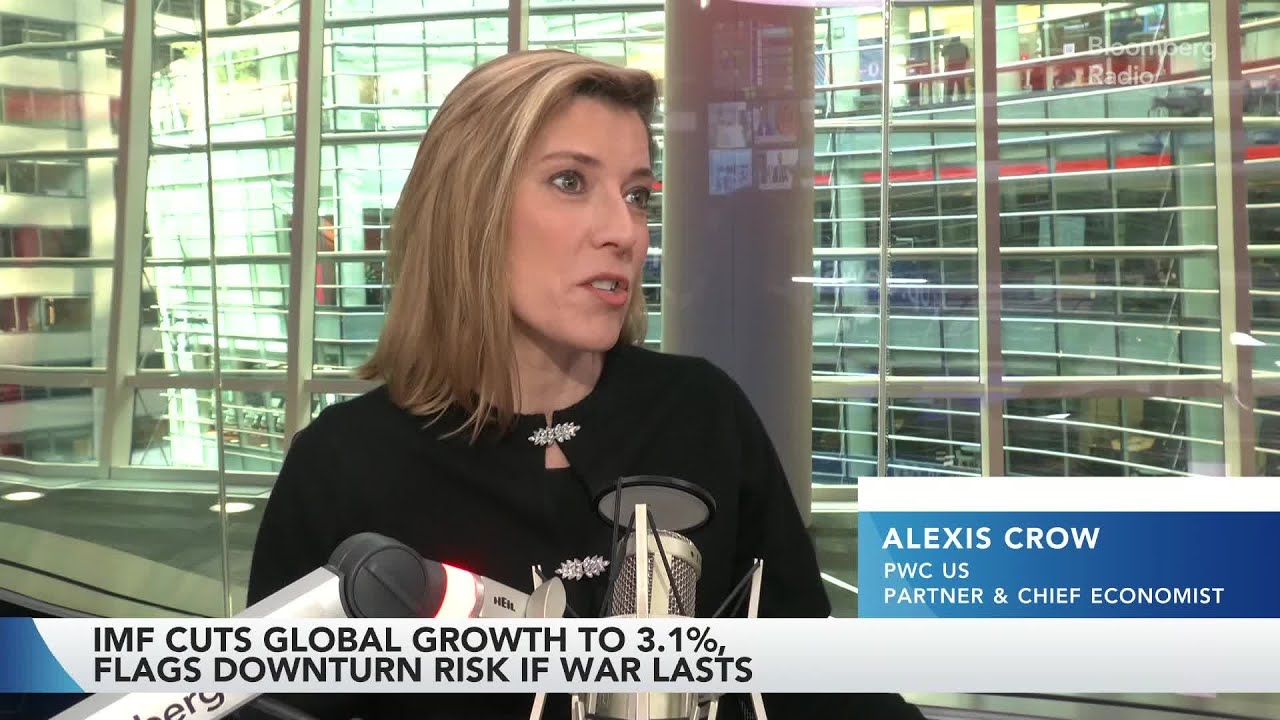
Alexis Crow, Partner & Chief Economist at PwC US, discusses how global markets are reacting to geopolitical uncertainty.
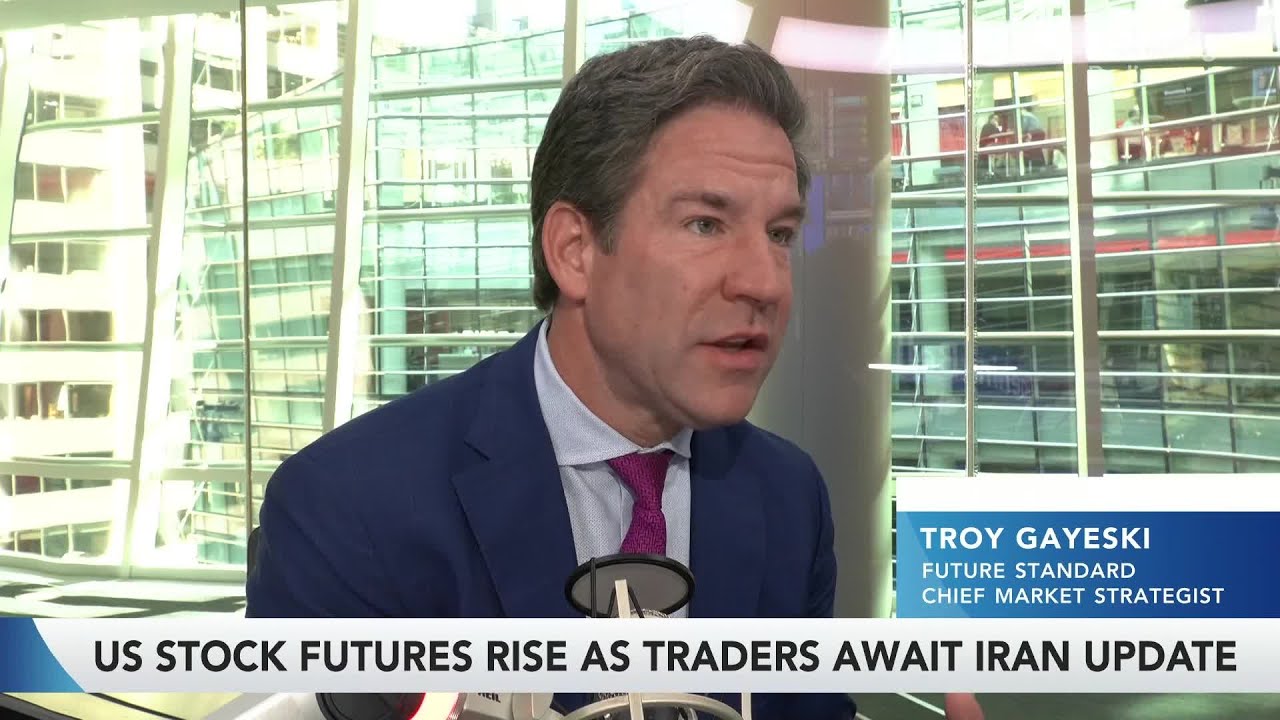
A rebound in oil drove stocks lower as traders awaited confirmation that Iran will join the US in peace talks before a ceasefire expires, with the two sides still at odds on key issues.
Equities wiped out an advance that had earlier put the S&P 500 on pace for fresh all-time highs. Brent crude hovered near $98 on concern that a global energy disruption could deepen if hostilities in the Middle East intensify, jeopardizing economic growth while potentially fueling inflation. Treasury yields rose alongside the dollar.
President Donald Trump said Tehran had “no choice” but to send a delegation to Pakistan. The US is “ready to go” with a resumption of bombing if a breakthrough isn’t reached, he told CNBC. Parliament Speaker Mohammad Bagher Ghalibaf said Iran would not “accept negotiations under the shadow of threats.”
The standoff threatens to deepen a global energy crunch, with flows through the vital Strait of Hormuz remaining at a virtual standstill. And that’s just one of the unresolved issues, along with the Islamic Republic’s nuclear capabilities and Israel’s military operation in Lebanon. “Waiting in cash for the all-clear sign is never a profitable strategy, but there are plenty of risks ahead,” said Chris Zaccarelli at Northlight Asset Management. “So it also doesn’t make sense to move to a high risk-taking posture either.”
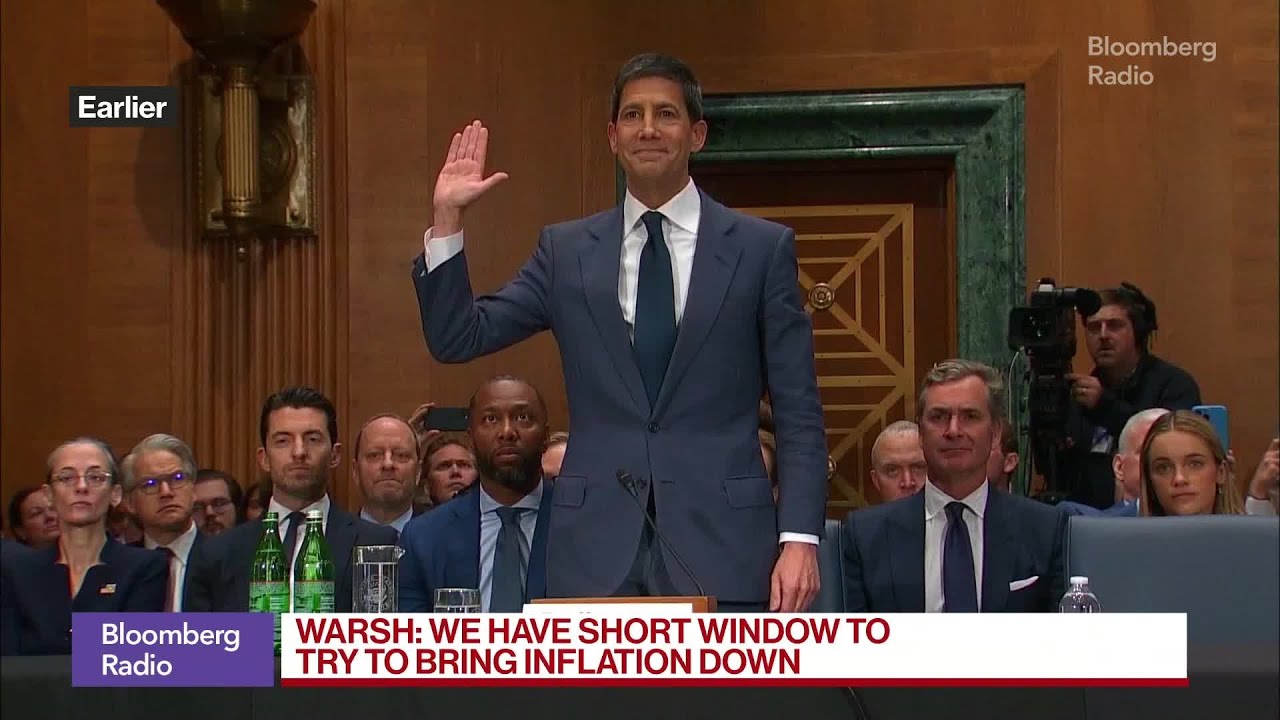
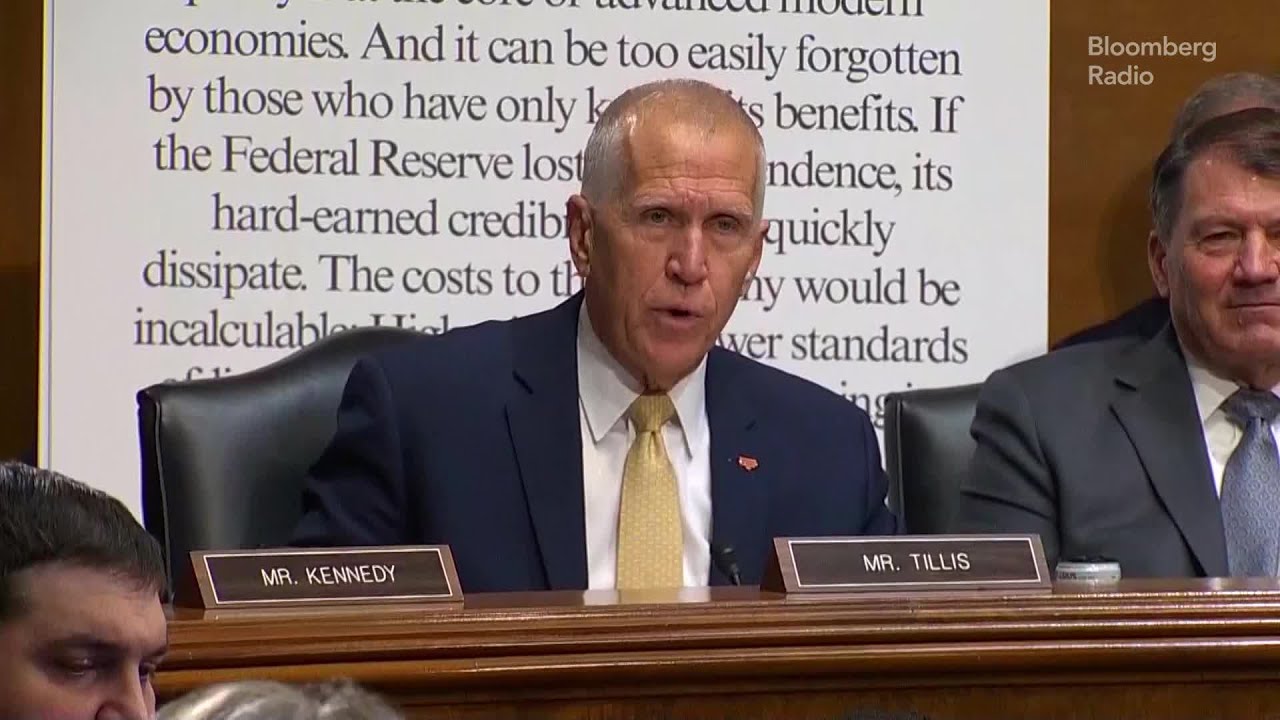
Meantime, Kevin Warsh, Trump’s nominee to lead the central bank, noted the Federal Reserve needed a new framework for dealing with persistent inflation, without offering more specifics. He also said the US president has not asked him to commit to making certain rate decisions.
“The president nominated me for the position, and I’ll be an independent actor if confirmed as chairman of the Federal Reserve,” Warsh added. At first glance, a “Warsh Fed” looks pretty much as expected, according to Michael Brown at Pepperstone.
“In short, interest rates will again become the primary policy tool, with the balance sheet likely to take a secondary role, potentially shrinking over time too, albeit within an ‘ample reserves’ regime which may make substantial shrinkage somewhat difficult,” he said.
Traders also parsed the latest economic data. US retail sales soared by the most in a year, suggesting consumers continued to spend on a wide array of merchandise despite a surge in gasoline prices sparked by the war.
--------
Watch Bloomberg Radio LIVE on YouTube
Weekdays 7am-6pm ET
Follow us on X
Subscribe to our Podcasts:
Bloomberg Daybreak
Bloomberg Surveillance
Bloomberg Intelligence
Balance of Power
Bloomberg Businessweek
Listen on Apple CarPlay and Android Auto with the Bloomberg Business app:
Apple CarPlay
Android Auto
Visit our YouTube channels:
Bloomberg Podcasts
Bloomberg Television
Bloomberg Originals
Sentinel Indexing in Progress
Metadata and chapters are available. Claim extraction for this episode is pending.
All video content is delivered via YouTube embedded players in accordance with the YouTube Terms of Service. Sentinel provides research tools that promote discovery and accountability across political media.