Bloomberg Podcasts
@bloombergpodcasts·503K subscribers·32.4K videos
'This is a Supply-Shock that Will Boost Inflation,' Says Mizuho's Jordan Rochester
Posted
April 24, 2026
Views
6,404
Likes
53
Comments
6
Engagement
April 24, 2026
6,404
53
6
0.92%
Every word spoken in this episode is indexed. Type any phrase to jump straight to the moment it was said.
Type any word or phrase that may have been spoken. Click a result to seek the player to that exact moment.
Try a name, a topic, or a quoted line
 6:59Now Playing
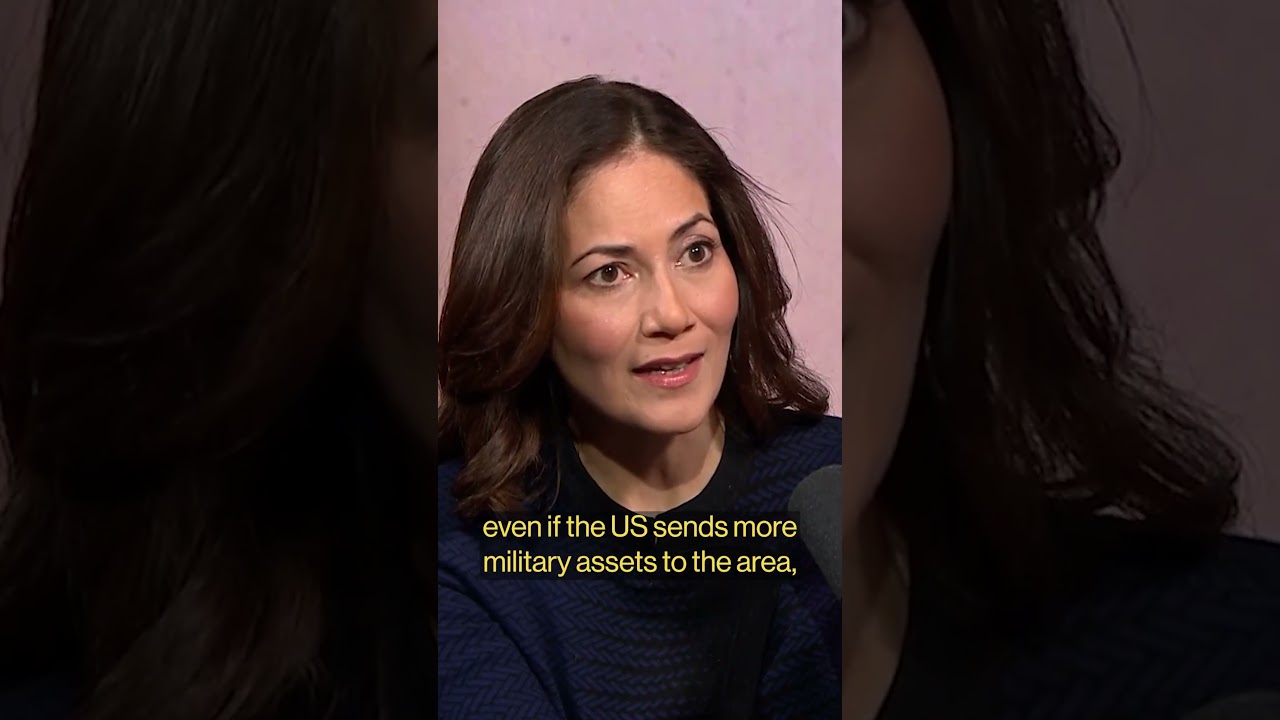
Jordan Rochester, Head of FICC Strategy at Mizuho EMEA, discusses the path ahead for US rates, the dollar, and equities as the Iran War continues to drive uncertainty.
Economists raised their estimates for US inflation and said they expect only one Federal Reserve interest-rate cut this year amid elevated energy costs sparked by the Iran war.
The personal consumption expenditures price index is now seen rising 3.6% in the second quarter from a year earlier, according to Bloomberg’s April survey of economists. That compares with the 3.3% estimate in the March survey.
Forecasters also expect another metric that strips out food and energy costs to advance more than previously estimated, with both gauges remaining at or above 3% through the end of the year. They pushed out their forecasts for Fed rate cuts to October 2026 and March 2027.
President Donald Trump has said a ceasefire that was set to expire would stay in place indefinitely while waiting for Iran to submit a unified peace proposal, but the Strait of Hormuz has remained essentially closed to shipping of oil and other goods with the US and Iran locked in a battle for control.
Analysts warn energy prices will remain elevated even if there is a resolution to the hostilities soon because of the damage to energy production facilities and refining capacity incurred during the war.
“The legacy effects of the war in Iran are going take months — not weeks — to unwind, with echo effects well into the second half of the year,” said Diane Swonk, chief economist at KPMG. A US-sanctioned supertanker laden with Iranian oil appeared to halt its transit through the Strait of Hormuz on Friday, with traffic through the waterway otherwise at a virtual standstill.
The Yuri, carrying 2 million barrels of crude loaded from Kharg Island, re-appeared on ship-tracking platforms Kpler and Vortexa off Sirri Island earlier this week, after having stopped signaling its location for days. The tanker, which began heading toward Hormuz late Thursday, came to a stop near Larak Island, ship tracking data show.
The pause suggests a wariness of trying to break through a US blockade on Iran’s shipping.
American forces intercepted two Iranian oil tankers earlier this week, while the US Central Command said in a social-media post that 33 vessels had been redirected since the start of its blockade.
The US-sanctioned Yuri appeared to be attempting to cross the Strait of Hormuz early on Friday.
Iran has also been seeking to strengthen its grip on the Strait of Hormuz, shooting at commercial ships and seizing at least two vessels in the world’s key oil channel. The double blockade has seen attempted transits plunge.
A bulk carrier that delivered food to Iran was observed sailing near Yuri heading toward Hormuz on Thursday, but it then made a U-turn in the strait and is now heading back into the Persian Gulf. Several hours before, a container ship that had departed from Bandar Abbas, an Iranian port city in the strait, was seen sailing south into the Gulf of Oman. The vessel had entered the strait four days ago.
Yuri was sanctioned by the US in 2024 for being involved in Iran’s petroleum exports. There were no contact details listed for the ship’s unidentified manager or owner on maritime database Equasis.
Meanwhile, another US-sanctioned supertanker has reappeared on tracking platforms in the Strait of Malacca near Singapore, laden with crude and not indicating a clear destination.
The Iranian-flagged Helm loaded from Kharg Island in late March and was estimated to have crossed the Strait of Hormuz in early April, with its transponder turned off. Bloomberg News couldn’t immediately determine if the supertanker had managed to sail out from the Gulf of Oman before the US blockade started on April 13.
--------
Watch Bloomberg Radio LIVE on YouTube
Weekdays 7am-6pm ET
Saturday & Sunday 7am-10am ET
Follow us on X
Subscribe to our Podcasts:
Bloomberg Daybreak
Bloomberg Surveillance
Bloomberg Intelligence
Balance of Power
Bloomberg Businessweek
Listen on Apple CarPlay and Android Auto with the Bloomberg Business app:
Apple CarPlay
Android Auto
Visit our YouTube channels:
Bloomberg Podcasts
Bloomberg Television
Bloomberg Originals
Sentinel Indexing in Progress
Metadata and chapters are available. Claim extraction for this episode is pending.
All video content is delivered via YouTube embedded players in accordance with the YouTube Terms of Service. Sentinel provides research tools that promote discovery and accountability across political media.