Bloomberg Television
@markets·3.2M subscribers·95.6K videos
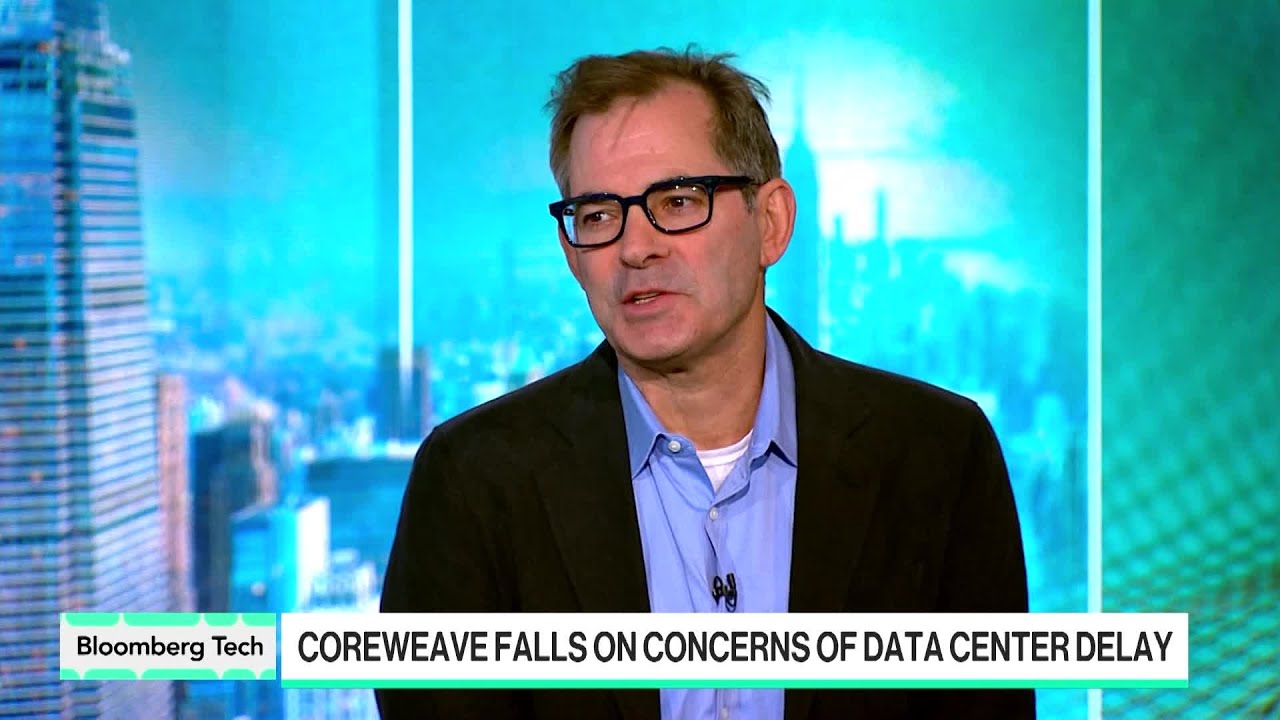
Legendary trader says Tech Bubble Worry Is Overblown
Posted
November 11, 2025
Views
22,115
Likes
185
Comments
40
Engagement
November 11, 2025
22,115
185
40
1.02%
Every word spoken in this episode is indexed. Type any phrase to jump straight to the moment it was said.
Type any word or phrase that may have been spoken. Click a result to seek the player to that exact moment.
Try a name, a topic, or a quoted line
Episode Timeline
Every episode in order around the one you’re watching — click any card and the page flips straight to it.
 6:34Now Playing
Chuck Clough, Chairman at Clough Capital, discusses why today’s AI-driven market is more sustainable than the 1990s tech boom.
For almost as long as the artificial intelligence boom has been in full swing, there have been warnings of a speculative bubble that could rival the dot-com craze of the late 1990s that ended in a spectacular crash and a wave of bankruptcies.
Tech firms are spending hundreds of billions of dollars on advanced chips and data centers, not just to keep pace with a surge in the use of chatbots such as ChatGPT, Gemini and Claude, but to make sure they’re ready to handle a more fundamental and disruptive shift of economic activity from humans to machines. The final bill may run into the trillions. The financing is coming from venture capital, debt and, lately, some more unconventional arrangements that have raised eyebrows on Wall Street.
Even some of AI’s biggest cheerleaders acknowledge the market is frothy, while still professing their belief in the technology’s long-term potential. AI, they say, is poised to reshape multiple industries, cure diseases and generally accelerate human progress.
Yet never before has so much money been spent so rapidly on a technology that remains somewhat unproven as a profit-making business model. Tech industry executives who privately doubt the most effusive assessments of AI’s revolutionary potential — or at least struggle to see how to monetize it — may feel they have little choice but to keep pace with their rivals’ investments or risk being out-scaled and sidelined in the future AI marketplace. Sharp falls in global technology stocks in early November underscored investors’ growing unease over the sector’s sky-high valuations, with Wall Street chief executives warning of an overdue market correction.
When Sam Altman, the chief executive of ChatGPT maker OpenAI, announced a $500 billion AI infrastructure plan known as Stargate alongside other executives at the White House in January, the price tag triggered some disbelief. Since then, other tech rivals have ramped up spending, including Meta’s Mark Zuckerberg, who has pledged to invest hundreds of billions in data centers. Not to be outdone, Altman has since said he expects OpenAI to spend “trillions” on AI infrastructure.
To finance those projects, OpenAI is entering into new territory. In September, chipmaker Nvidia Corp. announced an agreement to invest up to $100 billion in OpenAI’s data center buildout, a deal that some analysts say raises questions about whether the chipmaker is trying to prop up its customers so that they keep spending on its own products.
--------
More on Bloomberg Television and Markets
Like this video? Subscribe and turn on notifications so you don't miss any videos from Bloomberg Markets & Finance
Visit for business news & analysis, uptotheminute market data, features, profiles and more.
Connect with Bloomberg Television on:
Connect with Bloomberg Business on:
More from Bloomberg:
Bloomberg Radio
Bloomberg Surveillance
Bloomberg Politics
Bloomberg Originals
Watch more on YouTube:
Bloomberg Technology
Bloomberg Originals
Bloomberg Quicktake
Bloomberg Espanol
Bloomberg Podcasts
Sentinel Indexing in Progress
Metadata and chapters are available. Claim extraction for this episode is pending.
All video content is delivered via YouTube embedded players in accordance with the YouTube Terms of Service. Sentinel provides research tools that promote discovery and accountability across political media.