Both Sides
@BothSides-FAIRMEDIA·8.4K subscribers·2.7K videos
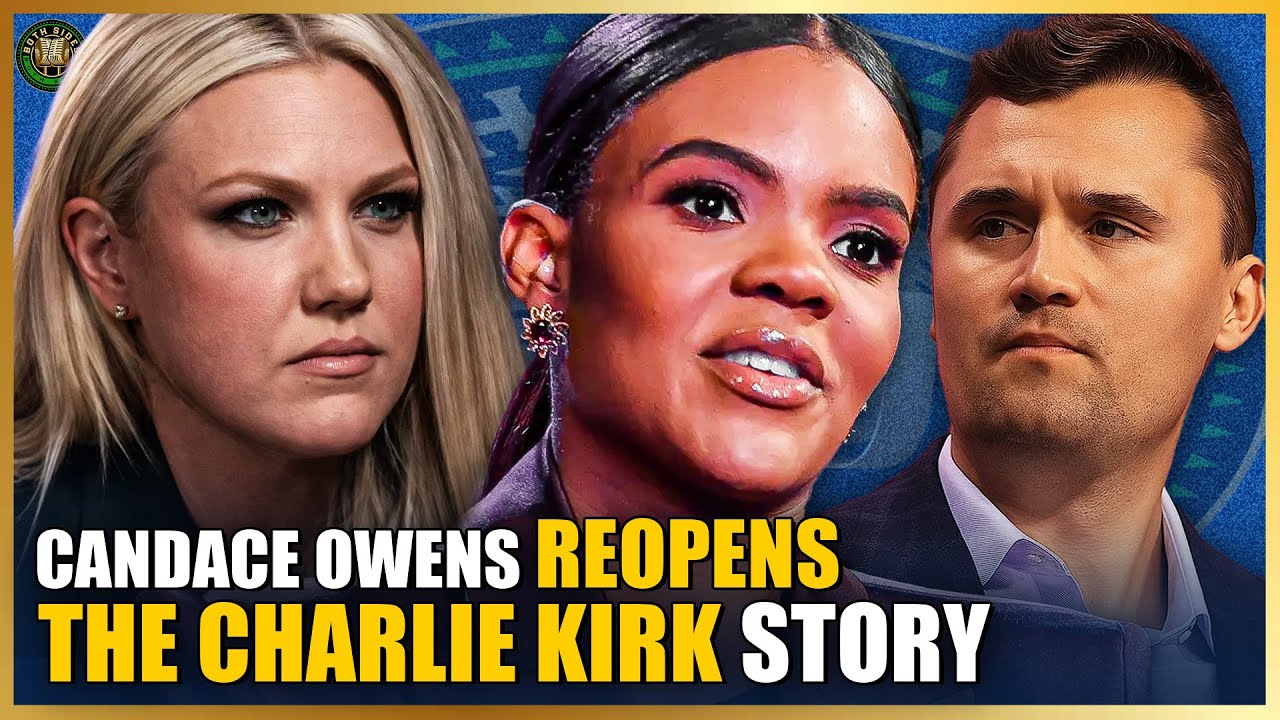
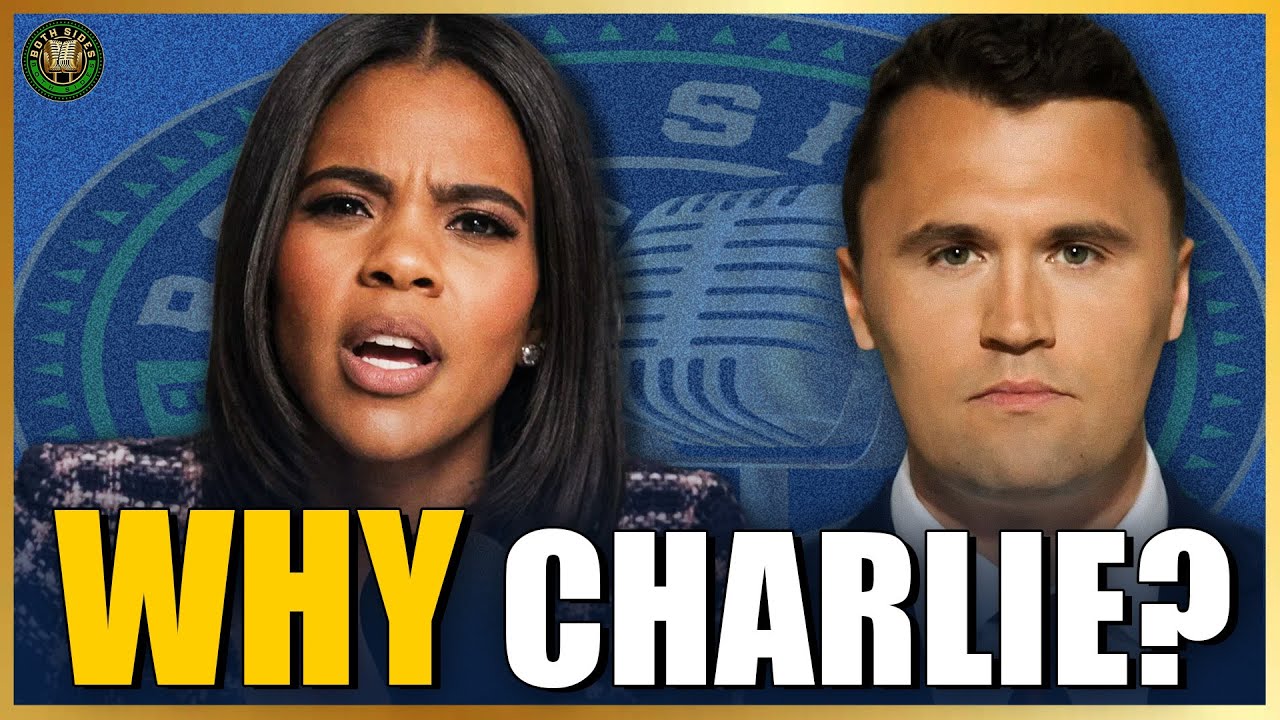
This is crazy! Candace Owens Loves Public Scrutiny Until It Points Back At Her - Both Sides
Posted
December 21, 2025
Views
14,512
Likes
1,683
Comments
639
Engagement
December 21, 2025
14,512
1,683
639
16.00%
Every word spoken in this episode is indexed. Type any phrase to jump straight to the moment it was said.
Type any word or phrase that may have been spoken. Click a result to seek the player to that exact moment.
Try a name, a topic, or a quoted line
 36:55Now Playing
Public figures often remind audiences that once you step into the spotlight, scrutiny comes with the territory. But what happens when that same standard is selectively applied?
In this video, we break down a growing contradiction in the public commentary of Candace Owens using her own words, her own framing, and her own standards as the measuring stick.
For years, Candace has argued that being a public figure means you cannot decide when criticism is allowed and when it is off-limits. According to her logic, visibility invites accountability. But recent reactions, responses, and reframing raise an important question: does that rule apply consistently — or only when it’s convenient?
This breakdown isn’t about personal attacks or internet drama. It’s about principles, consistency, and narrative framing.
In this episode, we examine:
🟢 How public accountability is framed — and when it suddenly becomes “too far”
🟢 The difference between criticism and personal grievance in public discourse
🟢 How selective context can change how audiences interpret the same situation
🟢 Why invoking morality or faith changes the emotional weight of criticism
🟢 The pattern of redefining events after the fact to control perception
🟢 How audience loyalty can override careful listening
🟢 Why consistency matters more than popularity
We also analyze how references to faith, humility, and peace are used rhetorically — not as private convictions, but as public positioning tools. When moral language is deployed selectively, disagreement stops being about facts and becomes about character alignment.
This video invites viewers to slow down, replay the statements, and apply one simple test:
Would these standards still make sense if they were applied evenly?
You don’t have to agree with us. You don’t even have to disagree.
But you do owe it to yourself to listen carefully — not just hear what’s said, but how it’s framed.
Drop your thoughts in the comments:
Should public figures accept the same scrutiny they encourage?
Where’s the line between accountability and exemption?
Can faith be discussed publicly without being used as authority?
Context matters.
Consistency matters.
And listening matters most.
#candaceowens #publicfigures #mediaanalysis #politicalcommentary #contextmatters #criticalthinking #narrativecontrol #faithandmedia #accountability #internetdiscourse #commentarychannel #digitalculture #truthandcontext #mediaethics #publicscrutiny #selectiveoutrage #audiencepsychology #influenceandpower #platformanalysis #thoughtfuldiscussion #culturecommentary #modernmedia #listenclosely #questiontheframe
Join this channel to get access to perks:
Click Here To Donate To 2 STRONG
✅Cashapp: $2strongpodcast
✅Business Inquiries: 2strongpodcast@gmail.com
We also have a P.O. Box
Fair Media
P.O. Box 1195
Granger, Indiana, 46530
Sentinel Indexing in Progress
Metadata and chapters are available. Claim extraction for this episode is pending.
All video content is delivered via YouTube embedded players in accordance with the YouTube Terms of Service. Sentinel provides research tools that promote discovery and accountability across political media.