Both Sides
@BothSides-FAIRMEDIA·8.4K subscribers·2.7K videos
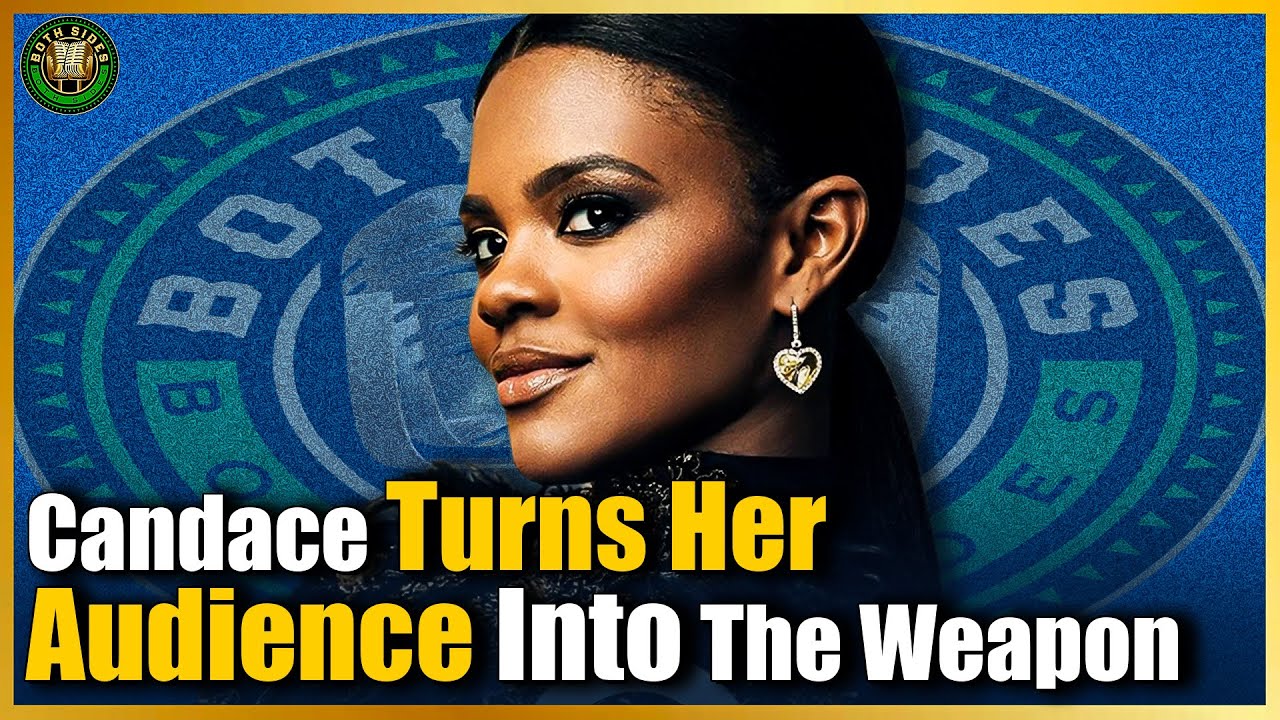
Candace Owens Set This Up Perfectly And People Fell For It In Real Time - Both Sides
Posted
December 31, 2025
Views
6,924
Likes
760
Comments
253
Engagement
December 31, 2025
6,924
760
253
14.63%
Every word spoken in this episode is indexed. Type any phrase to jump straight to the moment it was said.
Type any word or phrase that may have been spoken. Click a result to seek the player to that exact moment.
Try a name, a topic, or a quoted line
 26:46Now Playing
The Candace Owens X Spaces moment refuses to fade.
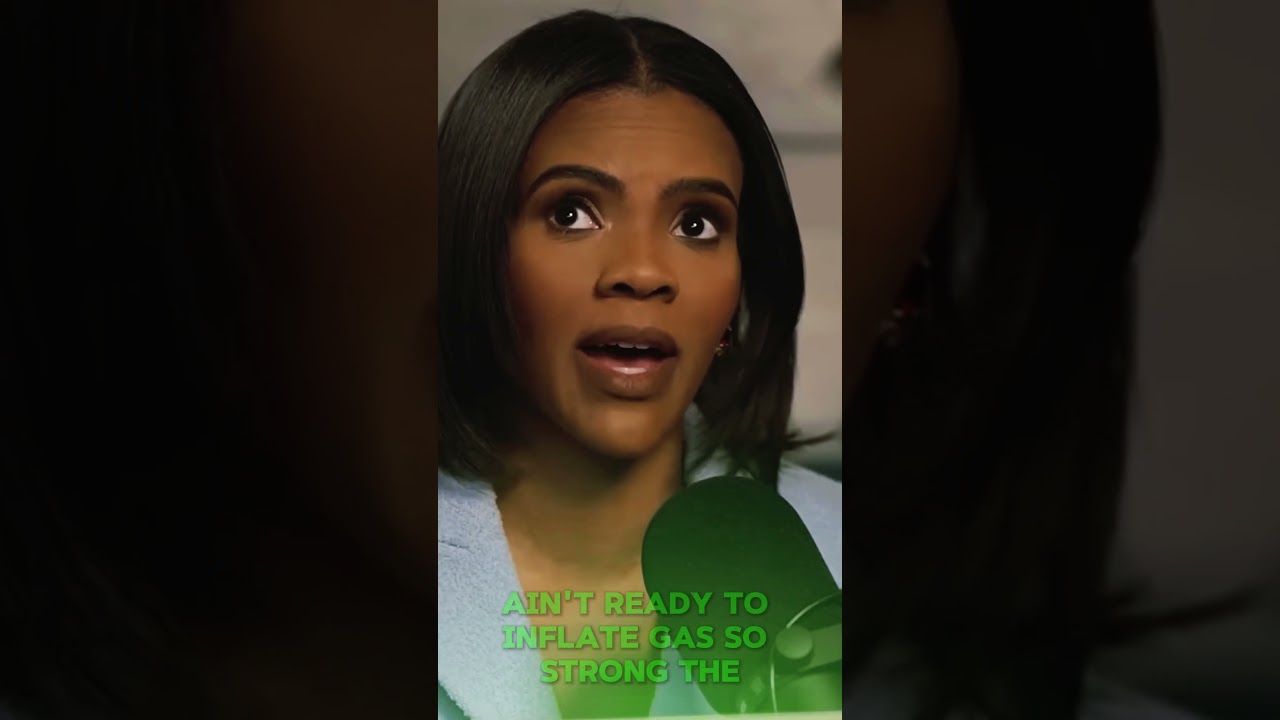
It keeps resurfacing in comment sections, clipped reactions, long threads, and quiet debates about what was said versus what was understood. Over 161,000 people listened live. No moderators. No announcers. No confusion about who was in control of the room.
And yet, the most important part of the conversation was what never landed as a direct statement.
This video breaks down why that matters — and why the absence of a clear claim may be the most deliberate choice of all.
At the center of this analysis isn’t personality, politics, or even allegations. It’s structure. Specifically, how Candace Owens uses sequencing, hypotheticals, and carefully framed questions to guide an audience toward conclusions she never has to own.
Nothing here hinges on a single sentence.
It hinges on order.
A hotel sighting is discussed.
A meeting is mentioned later.
A percentage is asked instead of a confirmation.
Responsibility is placed on the guest — not the host.
By the time listeners connect the dots, the speaker already has an exit.
And that’s the point.
Candace Owens never directly said what many listeners walked away believing. Factually, that’s true. But this breakdown asks a more uncomfortable question: if an audience predictably reaches the same conclusion, and the host does nothing to stop it, where does responsibility live?
Because this wasn’t chaos.
It wasn’t a slip.
And it wasn’t accidental.
This video examines:
-How inference can be more powerful than accusation
-Why plausible deniability depends on audience participation
-The difference between clarification and selective silence
-How allowing narratives to float can be just as influential as correcting them
-And why some media figures only intervene when a narrative hurts them
This isn’t about calling anyone a liar.
By legal and literal standards, Candace Owens didn’t say it.
But influence doesn’t operate on transcripts alone. It operates on timing, framing, and what an audience is allowed to believe without interruption.
If shutting down speculation would end engagement, why rush to clarify?
If ambiguity protects you from accountability, why eliminate it?
If the audience builds the theory themselves, who gets blamed?
That tension — between technical truth and practical impact — is the real story here.
👇 Watch the full breakdown and decide for yourself.
Was this disciplined communication, or calculated ambiguity?
Is not saying something still a form of saying it?
Drop your take in the comments.
#candaceowens #xspaces #politicalcommentary #medialiteracy #narrativeanalysis #languagebreakdown #strategicambiguity #plausibledeniability #contextmatters #onlineinfluence #modernmedia #publicdiscourse #longformanalysis #commentarychannel #mediaframing #audiencepsychology #powerandinfluence #rhetoricalstrategy #internetpolitics #politicalyoutube #digitalmediaanalysis #speechandpower #narrativecontrol #criticalthinking
Join this channel to get access to perks:
Click Here To Donate To 2 STRONG
✅Cashapp: $2strongpodcast
✅Business Inquiries: 2strongpodcast@gmail.com
We also have a P.O. Box
Fair Media
P.O. Box 1195
Granger, Indiana, 46530
Sentinel Indexing in Progress
Metadata and chapters are available. Claim extraction for this episode is pending.
All video content is delivered via YouTube embedded players in accordance with the YouTube Terms of Service. Sentinel provides research tools that promote discovery and accountability across political media.