
Bill Gates, Jeffrey Epstein, And The UN: The Overlooked Financial Connection Nobody Is Talking About
February 18, 2026
1,710
210
46
14.97%
Search the Record
IndexedEvery word spoken in this episode is indexed. Type any phrase to jump straight to the moment it was said.
Type any word or phrase that may have been spoken. Click a result to seek the player to that exact moment.
Try a name, a topic, or a quoted line
Both Sides Episodes Around February 18, 2026
See what was published immediately before and after this episode.

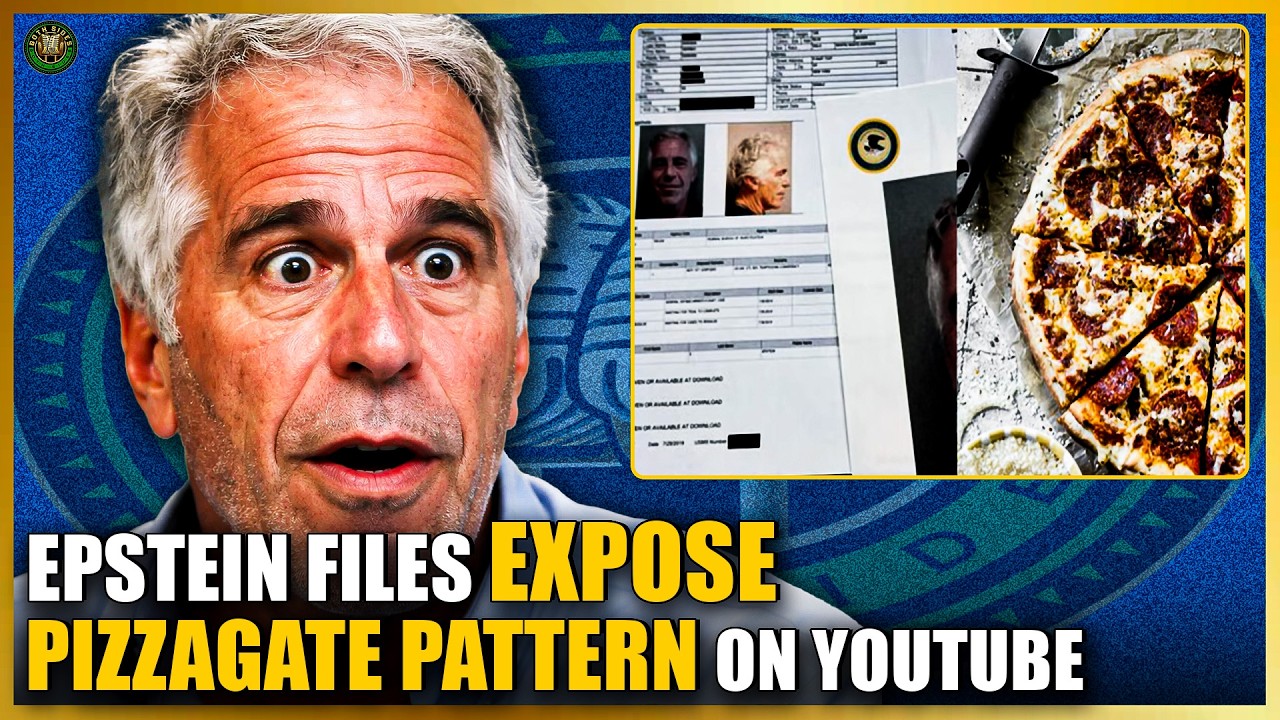


 28:26Now Playing
Bill Gates, Jeffrey Epstein, And The UN: The Overlooked Financial Connection Nobody Is Talking About




YouTube Description
as posted by the channelThe conversation around Jeffrey Epstein and Bill Gates has mostly centered on personal meetings, social connections, and the obvious question everyone keeps asking: why would one of the world’s most powerful tech billionaires repeatedly meet with a convicted sex offender? But what if the real question isn’t just about social proximity — what if it’s about money, influence, and global policy connections that go far deeper than headlines suggest?
In this breakdown, we revisit Jeffrey Epstein’s interview with Steve Bannon, where Epstein openly discussed his financial ties to institutions like the Santa Fe Institute and his connections to high-level philanthropic and scientific networks. Then we place that alongside Bill Gates’ own public statements about global health, population metrics, carbon reduction models, and funding initiatives tied to international organizations. When you look at the timeline — the late 1980s through the 2000s — you begin to see overlapping circles involving research funding, philanthropic influence, and United Nations population programs.
Let’s be clear: the Santa Fe Institute is a legitimate research organization focused on complexity science, mathematics, and interdisciplinary studies. Bill Gates has long been involved in global health initiatives through the Bill & Melinda Gates Foundation, including vaccine funding, disease eradication efforts, and public health programs in partnership with the United Nations and World Health Organization. These are documented facts. But the question becomes: what role did Epstein play within these financial ecosystems? Epstein himself claimed he facilitated introductions, advised wealthy donors, and helped move money into scientific and research initiatives. That’s not speculation — that’s on record.
So why does that matter now? Because when Epstein died, the financial web connected to him didn’t disappear. Several global figures linked socially or philanthropically to Epstein have faced scrutiny, resignations, or investigations. And when powerful individuals resign following exposure — even if no crimes are proven — it signals reputational risk tied to association. That’s where the financial layer becomes important.
Agenda 2030, a real United Nations sustainability framework adopted in 2015, focuses on global development goals such as poverty reduction, climate action, healthcare access, and sustainable growth. Some critics argue it represents coordinated global governance expansion; supporters argue it’s simply a roadmap for international development. Bill Gates has supported many initiatives aligned with these goals, particularly around public health and disease prevention. That’s documented.
The controversy arises when critics connect population metrics — like Gates’ well-known TED Talk discussion about reducing carbon emissions through improved healthcare and lower birth rates — with Epstein’s interest in science funding and elite networking. The theory suggests that Epstein’s value may not have been purely social or criminal, but financial and structural — someone who understood how to move large sums into research channels, private foundations, and global initiatives.
However, it is critical to separate verified evidence from speculation. There is no publicly proven evidence that Epstein and Gates conspired to depopulate the planet or coordinate criminal global policy. The public record shows meetings between them. Gates has acknowledged those meetings and later described them as a mistake. That part is factual. The rest — motive, shared agenda, or coordinated financial strategy — remains unproven.
So what are we actually looking at? A disgraced financier who embedded himself in elite philanthropic circles. A tech billionaire heavily invested in global health initiatives. A United Nations development framework adopted by world governments. And a timeline where all of those forces intersect during major global events. That intersection is what fuels suspicion — not confirmed wrongdoing.
We are not telling you what to believe. We are telling you to examine the financial structures, the institutional ties, and the timeline. The loudest narratives focus on scandal. The quieter question focuses on influence.
Drop your thoughts below. Is this about social scandal — or systemic financial power?
#jeffreyepstein #billgates #agenda2030 #unitednations #globalhealth #epsteinfiles #financialnetworks #powerstructure #investigativeanalysis #followthemoney #globalpolicy #santafeinstitute #publichealthdebate #worldpolitics #deepdiveanalysis
Join this channel to get access to perks:
Click Here To Donate To 2 STRONG
✅Cashapp: $2strongpodcast
✅Business Inquiries: 2strongpodcast@gmail.com
We also have a P.O. Box
Fair Media
P.O. Box 1195
Granger, Indiana, 46530
Links & Promotions
Guests & Subjects Covered
Sentinel Indexing in Progress
Metadata and chapters are available. Claim extraction for this episode is pending.
All video content is delivered via YouTube embedded players in accordance with the YouTube Terms of Service. Sentinel provides research tools that promote discovery and accountability across political media.