Caspian Report
@CaspianReport·1.8M subscribers·566 videos
Review: People Like Us by Joris Luyendijk
Posted
November 4, 2018
Views
26,107
Likes
1,145
Comments
126
Engagement
4.87%
November 4, 2018
26,107
1,145
126
4.87%
Every word spoken in this episode is indexed. Type any phrase to jump straight to the moment it was said.
Type any word or phrase that may have been spoken. Click a result to seek the player to that exact moment.
Try a name, a topic, or a quoted line
 8:04Now Playing
People Like Us on Amazon
Support CaspianReport on Patreon:
Bitcoin: 1MwRNXWWqzbmsHova7FMW11zPftVZVUfbU
Ether: 0xfE4c310ccb6f52f9D220F25Ce76Dec0493dF9aA0
Bitcoin Cash: 1BKLti4Wq4EK9fsBnYWC91caK7NZfUhNw9
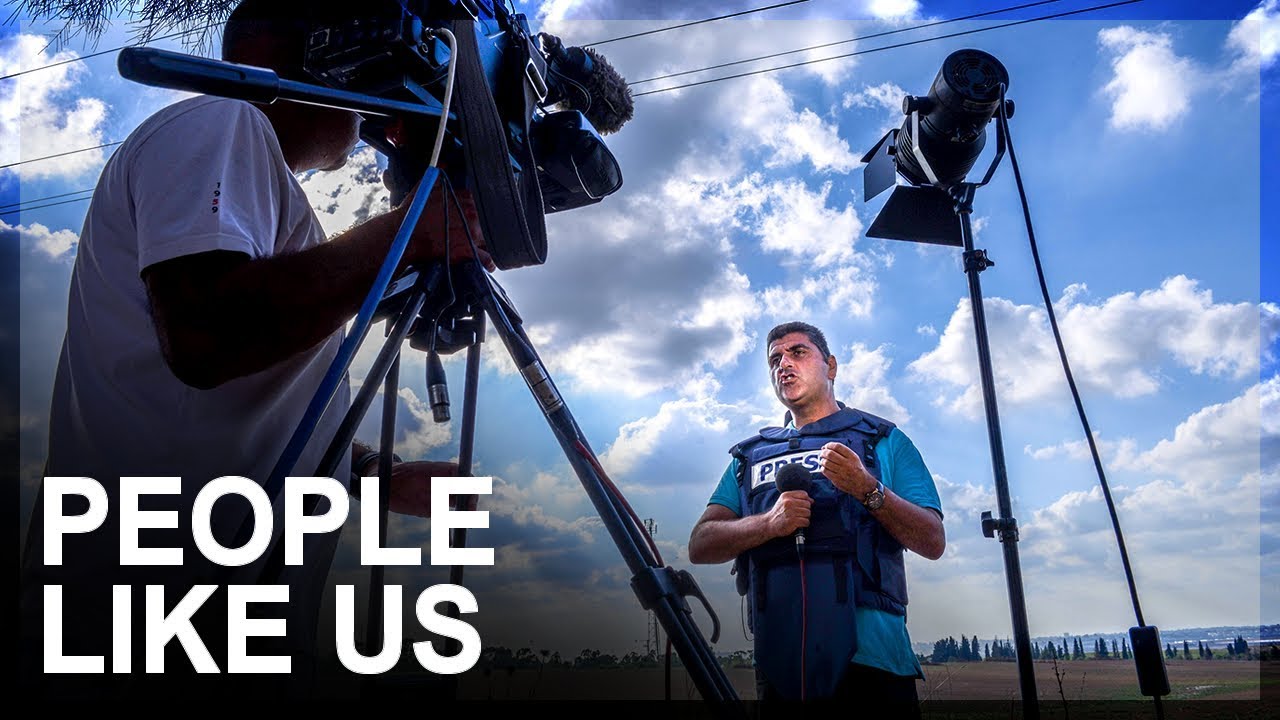
BAKU - When the government can grant or restrict a reporter’s access to places and people, is even possible to write real stories? What if the authorities provide press releases with photos, phone numbers and descriptions, are such prepackaged stories even objective? What about the news agencies themselves, are they public servants or are they in the business of news since their revenues depend on advertisers? Questions like these sit at the heart of People Like Us: Misrepresenting the Middle East by Joris Luyendijk, as it delivers a compelling narrative of the gap between image and reality in the Middle East.
Soundtrack:
Decisions by Kevin MacLeod (incompetech.com)
Licensed under Creative Commons: By Attribution 3.0
Follow CaspianReport on social media.
Sentinel Indexing in Progress
Metadata and chapters are available. Claim extraction for this episode is pending.
All video content is delivered via YouTube embedded players in accordance with the YouTube Terms of Service. Sentinel provides research tools that promote discovery and accountability across political media.