Cenk Uygur
@TheYoungTurks·6.5M subscribers·72.8K videos
Kendrick Lamar’s Inspiring Grammy Performance
Posted
February 17, 2016
Views
2,530,004
Likes
14,476
Comments
2,051
Engagement
0.65%
February 17, 2016
2,530,004
14,476
2,051
0.65%
Every word spoken in this episode is indexed. Type any phrase to jump straight to the moment it was said.
Type any word or phrase that may have been spoken. Click a result to seek the player to that exact moment.
Try a name, a topic, or a quoted line
Episode Timeline
Every episode in order around the one you’re watching — click any card and the page flips straight to it.
 5:21Now Playing
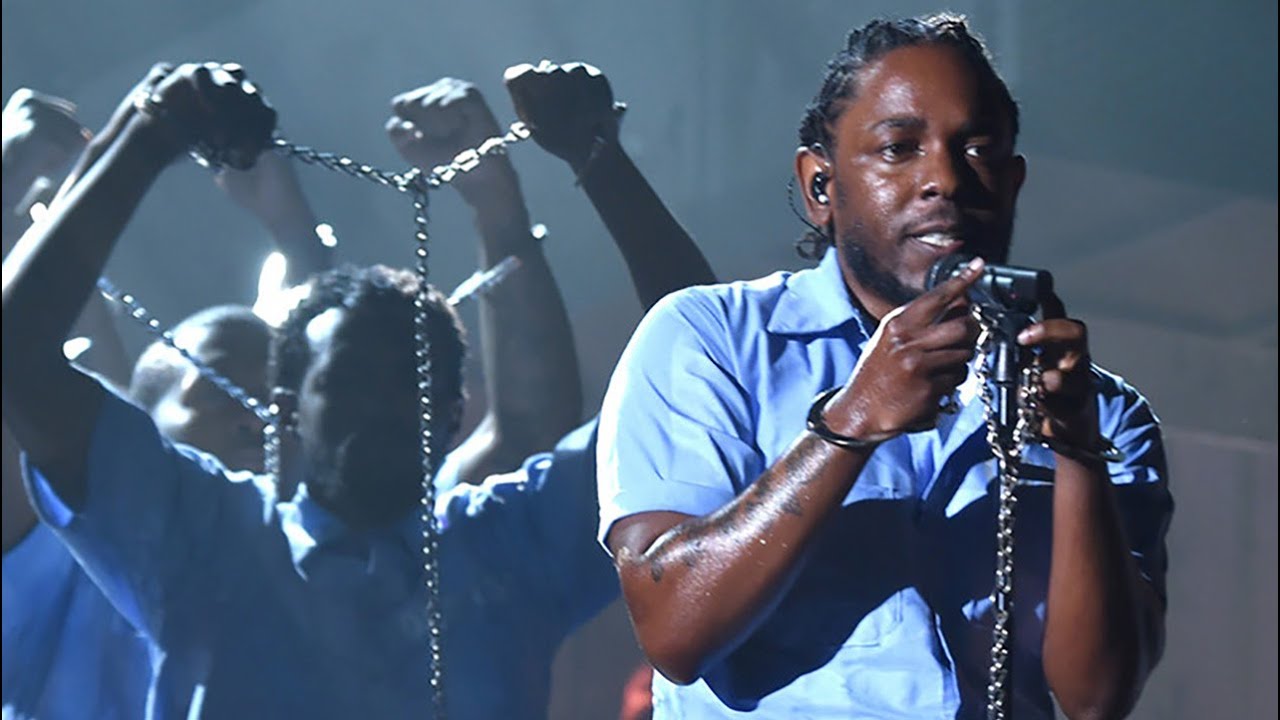
Out of everything that went down during the Grammys, Kendrick Lamar’s performance was probably the most notable because of the political message that his performance included. Kendrick Lamar definitely does use his music to share his prospective and his struggles in life. Cenk Uygur and Ana Kasparian hosts of The Young Turks discuss.
What did you think of Kendrick Lamar’s performance? Let us know in the comments below.
Read more here
Kendrick Lamar’s performance at the Grammys has been widely described as “fiery”—a nice way to say there were pyrotechnics both of the actual and emotional sort. But there was more than fire, too. The set was obviously political; it was obviously powerful. What exactly did it say?
Lamar arrived bound to other mock-inmates, slouchily walking with a hint of rhythm: every few beats, a twitch. This was clearly an image for the age of mass black incarceration. From the jail cells, jazz players noodled softly, queasily. Lamar put his chained hands over the mic and said “I’m the biggest hypocrite of 2015,” the first words of “Blacker the Berry.” The rhythm section suddenly stabbed in—bam, bam—and Lamar flinched before launching into another line.
When it was released last winter, “Blacker the Berry” sparked controversy because Lamar’s narrator berated himself for mourning Trayvon Martin while also participating in violence against black people. Some critics saw the narrative as an example of respectability politics, the ideology that lectures black people and blames their behavior for intractable, historically rooted problems. Others saw it as an artful dissection of how an oppressive society can divide a persons’s loyalties and create self-loathing. At the Grammys, Lamar didn’t let the song’s full logic develop. He only performed the first verse, the one where the narrator is in full righteous-fury mode, drawing power from his heritage to confront white America: “You hate me don’t you? You hate my people, your plan is to terminate my culture. You’re fuckin’ evil, I want you to recognize that I’m a proud monkey.”
**********
The Young Turks February 16, 2016 Hour 2
Kendrick Lamar’s Inspiring Grammy Performance
Ronda Rousey Contemplated Suicide After Loss
Sentinel Indexing in Progress
Metadata and chapters are available. Claim extraction for this episode is pending.
All video content is delivered via YouTube embedded players in accordance with the YouTube Terms of Service. Sentinel provides research tools that promote discovery and accountability across political media.
Kanye Doesn’t Want “White Publications” Writing About His Music
Manny Pacquiao: Gay People Are Worse Than Animals
Guess How Many People Showed Up To Protest Beyonce
**********
The Largest Online News Show in the World. Hosted by Cenk Uygur and Ana Kasparian. LIVE STREAMING weekdays 68pm ET.
Young Turk (n), 1. Young progressive or insurgent member of an institution, movement, or political party. 2. Young person who rebels against authority or societal expectations. (American Heritage Dictionary)
Download audio and video of the full two hour show ondemand + the membersonly post game show by becoming a member at Your membership supports the day to day operations and is vital for our continued success and growth.
**********
Get The Young Turks Mobile App Today!
Download the iOS version here
Download the Android version here