Cenk Uygur
@TheYoungTurks·6.5M subscribers·72.8K videos
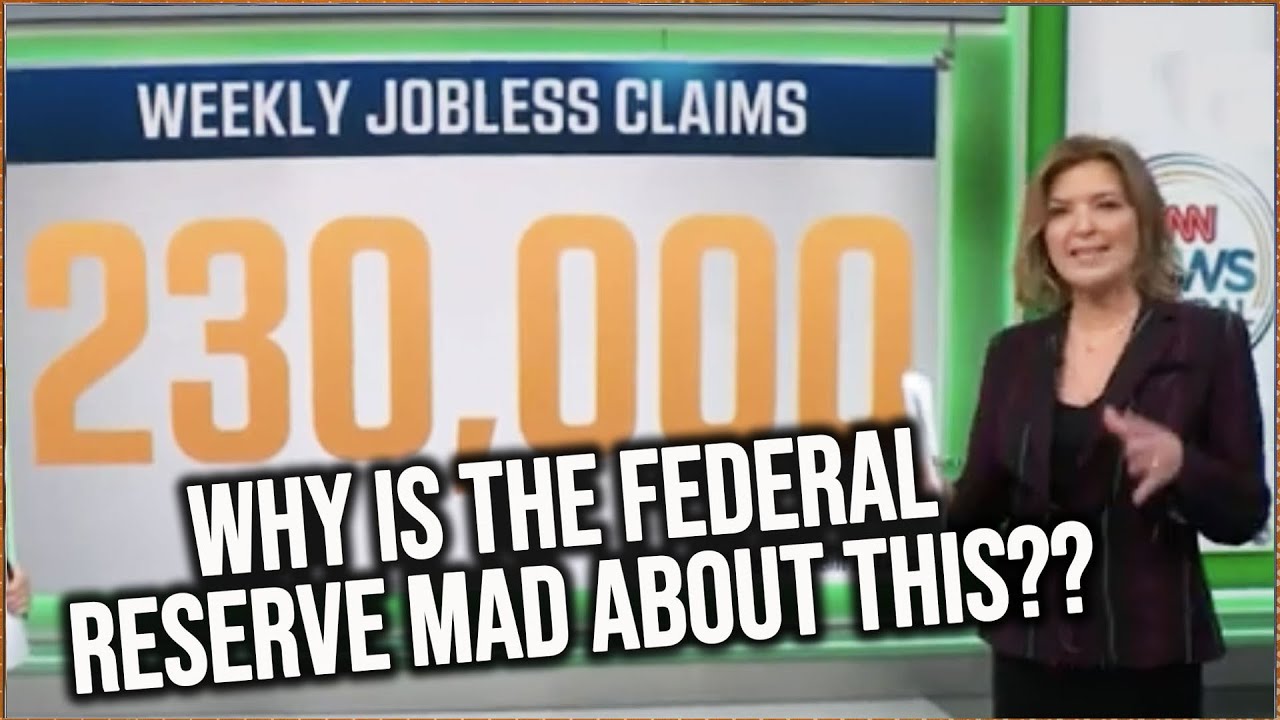
Federal Reserve is FURIOUS With Workers Getting Higher Wages
Posted
May 1, 2023
Views
4,550
Likes
473
Comments
111
Engagement
12.84%
May 1, 2023
4,550
473
111
12.84%
Every word spoken in this episode is indexed. Type any phrase to jump straight to the moment it was said.
Type any word or phrase that may have been spoken. Click a result to seek the player to that exact moment.
Try a name, a topic, or a quoted line
 6:54Now Playing
The Federal Reserve is upset that workers are receiving higher wages, but they're okay with banks driving up interest rates and making the working class help banks out. Guest Host Adrienne Lawrence and Mayor Mondale Robinson break it down on Unbossed.
Read more here
Workers flexed their muscles in 2022, with strikes surging and a labor shortage pressuring businesses to lift wages. That was then.
Now, metrics show that wage growth peaked in the middle of last year and has since slowed. A comprehensive measure of employee pay showed that employer spending on pay and benefits grew only 1% in the last three months of 2022. A report from PayScale also notes that fewer companies are planning to give raises this year and that the average annual pay increase is set to fall from over 5% to between 4% and 5%. Research from regional Federal Reserve banks and Goldman Sachs confirms that wage growth is moderating after spiking last year.
Such statistics are good news for Federal Reserve Chairman Jerome Powell, who has spearheaded the central bank's policy of sharply driving up interest rates in order to slow the economy enough to curb inflation. But it's bad news for the many workers whose pay is still not keeping up with rising prices.
In the last year, wage growth "was both higher than is consistent with meeting the Federal Reserve's 2% inflation target and lower than would have been necessary to achieve real wage gains over that period," the left-leaning Center on Budget and Policy Priorities said in a recent blog post.
The CBPP and other policy groups are warning that — unless the Fed stops raising interest rates—the already shaky economy is likely to plunge into recession, putting millions of people out of work. Further rate hikes "pose a dire threat to what could be an excellent 2023 for the economic prospects of America's working families," Josh Bivens, of the left-leaning Economic Policy Institute, said in a blog post.
Follow Senator Turner on:
Campaign site
230428__UB04WagesGrowingHasFedReserveConcernedBP
Sentinel Indexing in Progress
Metadata and chapters are available. Claim extraction for this episode is pending.
All video content is delivered via YouTube embedded players in accordance with the YouTube Terms of Service. Sentinel provides research tools that promote discovery and accountability across political media.