CNBC Television
@CNBCtelevision·3.4M subscribers·157.5K videos
Update: Living On $280K A Year In Metro Detroit | Millennial Money
Posted
May 5, 2020
Views
203,988
Likes
2,812
Comments
629
Engagement
May 5, 2020
203,988
2,812
629
1.69%
Every word spoken in this episode is indexed. Type any phrase to jump straight to the moment it was said.
Type any word or phrase that may have been spoken. Click a result to seek the player to that exact moment.
Try a name, a topic, or a quoted line
 8:28Now Playing
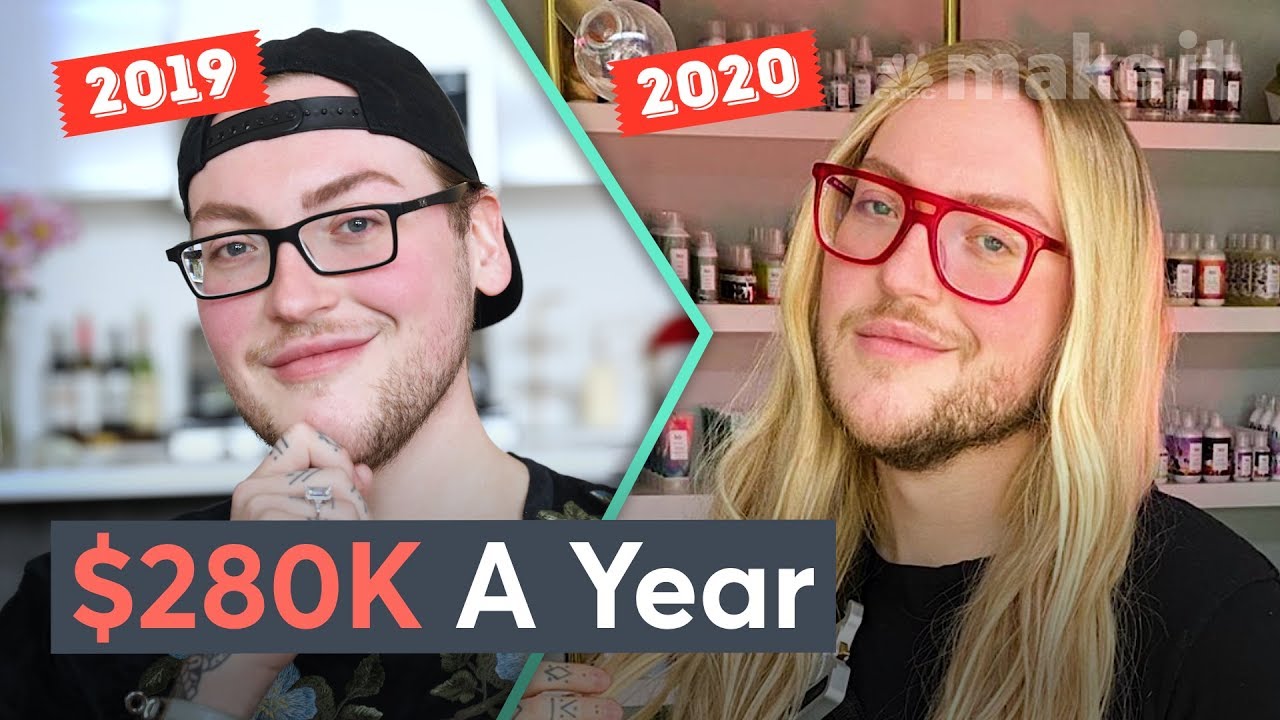
Before the coronavirus pandemic, Alex Pardoe earned $280,000 a year as a hairdresser who co-owns his own salon. But when the salon had to close its doors in March, Pardoe lost most of his income as well. This is a special installment of Millennial Money, which profiles millennials across the U.S. and details how they manage their money.
Read more about Alex here
Closing his hair salon, Aesthetic Hair Co., in Detroit, Michigan, is the hardest thing 26-year-old Alex Pardoe has ever had to do.
Due to the coronavirus pandemic, Pardoe and his co-owners had to shutter the salon on March 17, and temporarily let go of all of their employees so they could collect unemployment benefits.
“Having to lay off my employees was one of the most difficult decisions that me and my business partners have ever had to make,” he tells CNBC Make It. “But in this particular climate, we had really no other option. There is no way for us to keep people on a payroll with nothing coming in.”
Still, Pardoe knows closing was the right choice. Although it’s a stressful time for everyone, “it’s an important time for us to stay home and be as healthy as we possibly can,” Pardoe says. “With hairdressing, there is no way for us to maintain social distance. It was really important for us to close.”
The salon received a loan through the Paycheck Protection Program during the second round of funding, which the co-owners plan to use to cover payroll costs once they are allowed to reopen. Currently, they are using the loan to cover other qualified costs, like rent and utilities, per guidelines set by the Small Business Administration. They plan to carefully follow the SBA’s guidelines for the loan in order to have it eventually forgiven.
For Pardoe himself, closing the doors at Aesthetic has meant a significant loss in income. He previously earned around $280,000 a year, primarily from working with clients directly cutting hair, putting in extensions and doing color work. But as the pandemic continues, he’s self-isolating at home with his dog, Biscuit, unable to see clients in person.
Pardoe still brings in some income from partial ownership in an investment property, his e-commerce line of hair products, online education and affiliate and sponsored opportunities through Instagram. He estimates that generates about $3,000 to $4,000 per month, which covers a large chunk of his expenses, and he also says he will receive about $350 per week in unemployment.
» Subscribe to CNBC Make It.
About CNBC Make It.: CNBC Make It. is a new section of CNBC dedicated to making you smarter about managing your business, career, and money.
Connect with CNBC Make It. Online
Get the latest updates
Find CNBC Make It. on Facebook
Find CNBC Make It. on Twitter
Find CNBC Make It. on Instagram
#CNBC
#CNBCMakeIt
#MillennialMoney
Update: Living On $280K A Year In Metro Detroit | Millennial Money
Sentinel Indexing in Progress
Metadata and chapters are available. Claim extraction for this episode is pending.
All video content is delivered via YouTube embedded players in accordance with the YouTube Terms of Service. Sentinel provides research tools that promote discovery and accountability across political media.