
The Bronze Age Changes with Archeological Evidence
February 22, 2019
72,644
2,634
258
3.98%
Search the Record
IndexedEvery word spoken in this episode is indexed. Type any phrase to jump straight to the moment it was said.
Type any word or phrase that may have been spoken. Click a result to seek the player to that exact moment.
Try a name, a topic, or a quoted line
Cogito Episodes Around February 22, 2019
See what was published immediately before and after this episode.



 10:25Now Playing
The Bronze Age Changes with Archeological Evidence


YouTube Description
as posted by the channelCheck out the full collaboration playlist here
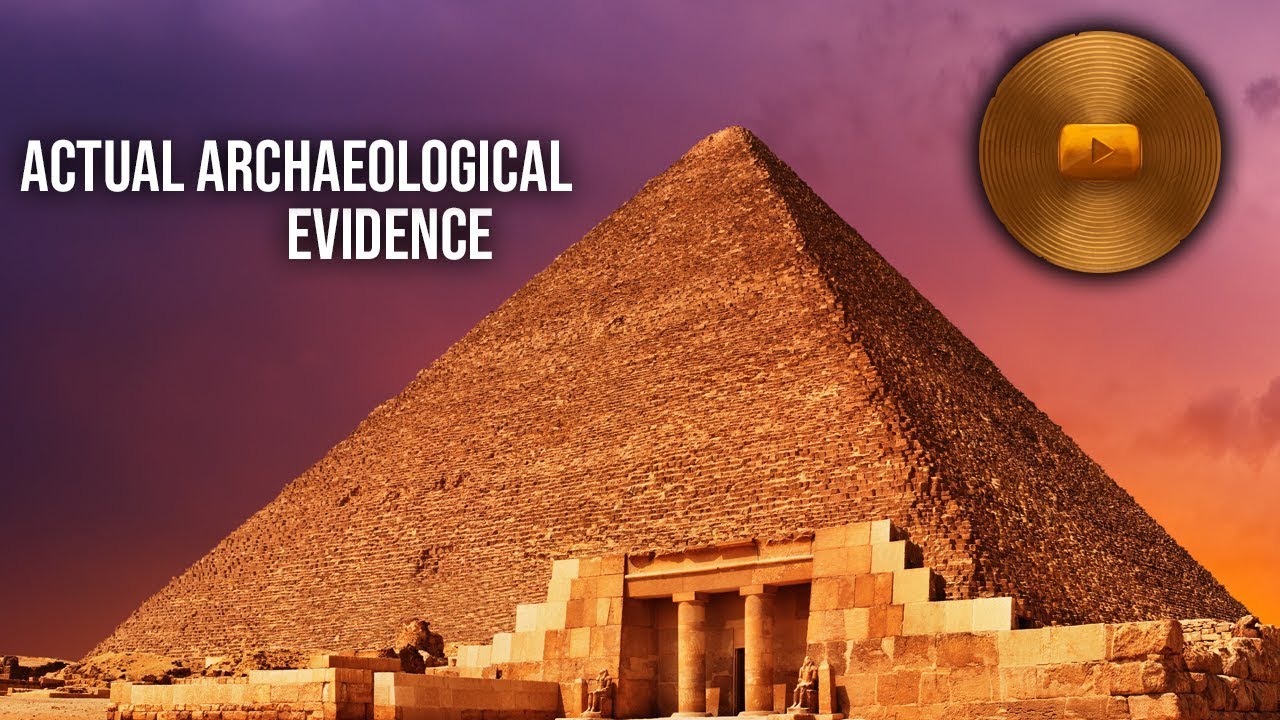
Up until the 19th century, the Bronze Age was merely a time of legends, where the Bible and Iliad told fantastic tales of brutality and triumph. But archeology changed that, and that’s what I want to talk about today, how the Bronze Age was rescued from legend.
------------------------------------------------------------
references:
Stephen L. Dyson, “Archaeology and Ancient History,” in A Companion to Ancient History, edited by Andrew Erskine (Malden, Mass.Blackwell Publishers, 2002), 5966.
MarieHenriette Gates, “Archeology and the Ancient Near EastMethods and Limits,” in A Companion to the Ancient Near East, edited by Daniel C. Snell (Malden, Mass.Blackwell Publishers, 2005), 6579.
Alan B. Lloyd, “Chronology,” in A Companion to Ancient Egypt, vol. 1, edited by Alan B. Lloyd (Malden, Mass.Blackwell Publishers, 2010), xxxiixliii.
John Marincola, “Historiography,” in A Companion to Ancient History, edited by Andrew Erskine (Malden, Mass.Blackwell Publishers, 2002), 1322.
John Van Seters, “Historiography in Ancient Israel,” in A Companion to Western Historical Thought, edited by Lloyd Kramer and Sarah Maza (Malden, Mass.Blackwell Publishers, 2002), 1534.
Tim Whitmarsh, “Ancient History through Ancient Literature,” in A Companion to Ancient History, edited by Andrew Erskine (Malden, Mass.Blackwell Publishers, 2002), 7786.
------------------------------------------------------------
SUBSCRIBE FOR MORE VIDEOS:
Support the channel through PATREON:
or pick up some merchandise at SpreadShirt:
LET'S CONNECT:
------------------------------------------------------------
Wiki: The Bronze Age is a historical period characterized by the use of bronze, and in some areas proto-writing, and other early features of urban civilization. The Bronze Age is the second principal period of the three-age Stone-Bronze-Iron system, as proposed in modern times by Christian Jürgensen Thomsen, for classifying and studying ancient societies.
An ancient civilization is defined to be in the Bronze Age either by producing bronze by smelting its own copper and alloying with tin, arsenic, or other metals, or by trading for bronze from production areas elsewhere. Bronze itself is harder and more durable than other metals available at the time, allowing Bronze Age civilizations to gain a technological advantage.
Copper-tin ores are rare, as reflected in the fact that there were no tin bronzes in Western Asia before trading in bronze began in the third millennium BC. Worldwide, the Bronze Age generally followed the Neolithic period, with the Chalcolithic serving as a transition. Although the Iron Age generally followed the Bronze Age, in some areas (such as Sub-Saharan Africa), the Iron Age intruded directly on the Neolithic.[1]
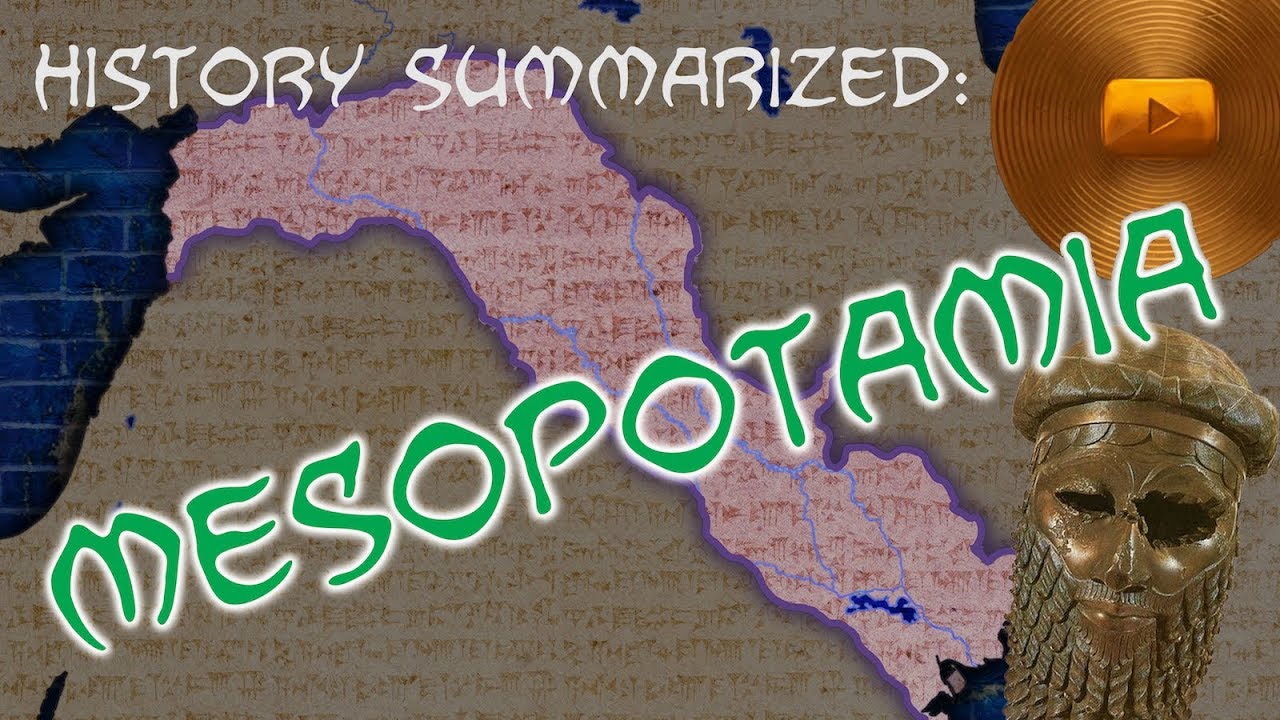
Bronze Age cultures differed in their development of the first writing. According to archaeological evidence, cultures in Mesopotamia (cuneiform script) and Egypt (hieroglyphs) developed the earliest viable writing systems
------------------------------------------------------------
Hashtags: #history #TheBronzeAge #archeology #BronzeBonanza
Guests & Subjects Covered
Sentinel Indexing in Progress
Metadata and chapters are available. Claim extraction for this episode is pending.
All video content is delivered via YouTube embedded players in accordance with the YouTube Terms of Service. Sentinel provides research tools that promote discovery and accountability across political media.