Cool Worlds
@coolworldslab·1.1M subscribers·269 videos
Is Earth Being Watched?
Posted
November 27, 2019
Views
579,179
Likes
13,507
Comments
1,691
Engagement
2.62%
November 27, 2019
579,179
13,507
1,691
2.62%
Every word spoken in this episode is indexed. Type any phrase to jump straight to the moment it was said.
Type any word or phrase that may have been spoken. Click a result to seek the player to that exact moment.
Try a name, a topic, or a quoted line
 15:16Now Playing
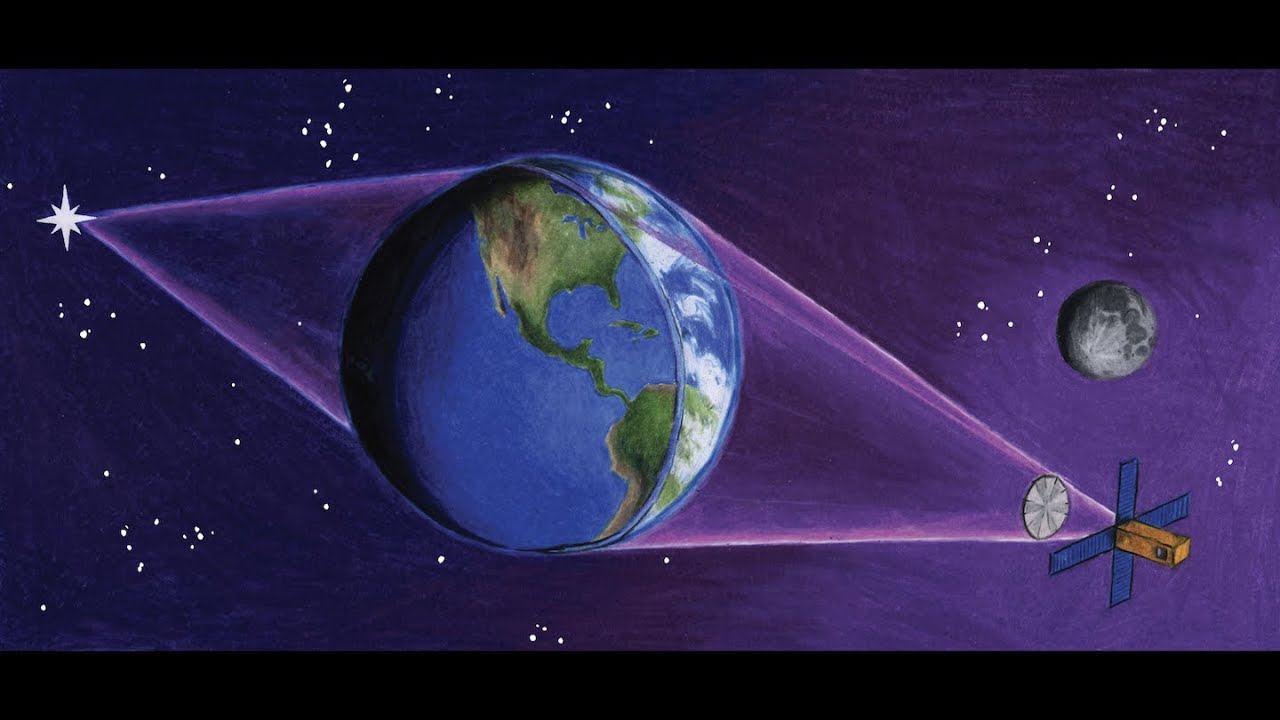
In the last few decades, our astronomical techniques have developed to the point that we can now detect planets orbiting other stars. Planets which transit their star make up most of our catalogs, because they are so easy to find and can reveal so much more information about the planets. For example, in the near future we might even be able to detect life remotely on these worlds. This makes us wonder - could someone out there already be using this method on us? Here, we explore which stars are best placed to detect us using the transit method, what they might learn about us and the possibility of reciprocal transit configurations, enabling a possible means of direct communication across the stars.
Written and Presented by Prof. David Kipping. All planet images/videos shown are artistic impressions and not real photographs, except for the pixelated image of TRAPPIST-1 (see below)
This video is based on research conducted at the Cool Worlds Lab at Columbia University, New York. You can now support our research program directly here
References:
► Rauscher, B. J. et al., 2016, "Detectors and cooling technology for direct spectroscopic biosignature characterization", JATIS, 2, 041212
► Burke, C. J., Mullally, F., Huber, D., 2018, "K2 Exoplanet Ecliptic Survey KEES"
► Kipping, D. & Teachey, A., 2016, "A Cloaking Device for Transiting Planets", MNRAS, 459, 1233
Video materials and graphics used:
► ESO animations credit to ESO and Herbert Zodet
► TRAPPIST1 pixels animation by NASA Ames/G. Barentsen
► Transit animation credit to NASA
► Kepler1625bi animation by NASA, ESA and L. Hustak
► Milky Way animation by Stefan PayneWardenaar
► EarthSun orbit animation by Brad Freese
► Breakthrough Starshot animation by the Breakthrough Foundation
► Laser transit animation by National Geographic
► TESS animation courtesty of NASA/MIT
► Solar activity timelapse credit the NASA/SDO
Outro music used, in chronological order:
► "Fusion" by Indive, "Halo Drive" EP, licensed under a Creative Commons Attribution license ()
And also...
Sentinel Indexing in Progress
Metadata and chapters are available. Claim extraction for this episode is pending.
All video content is delivered via YouTube embedded players in accordance with the YouTube Terms of Service. Sentinel provides research tools that promote discovery and accountability across political media.
► Columbia University Department of Astronomy
► Cool Worlds Lab website
Latest Cool Worlds Videos ►
Cool Worlds Research ►
Cool Worlds Long Form Videos ►
Guest Videos ►
Q&A Videos ►
Tabby's Star ►
Science of TV/Film ►
SUBSCRIBE to the channel
THANKS FOR WATCHING!!
#AreWeBeingWatched #InterstellarCommunication #CoolWorlds