Daniel Davis Deep Dive
@danieldavisdeepdive·442K subscribers·4.9K videos
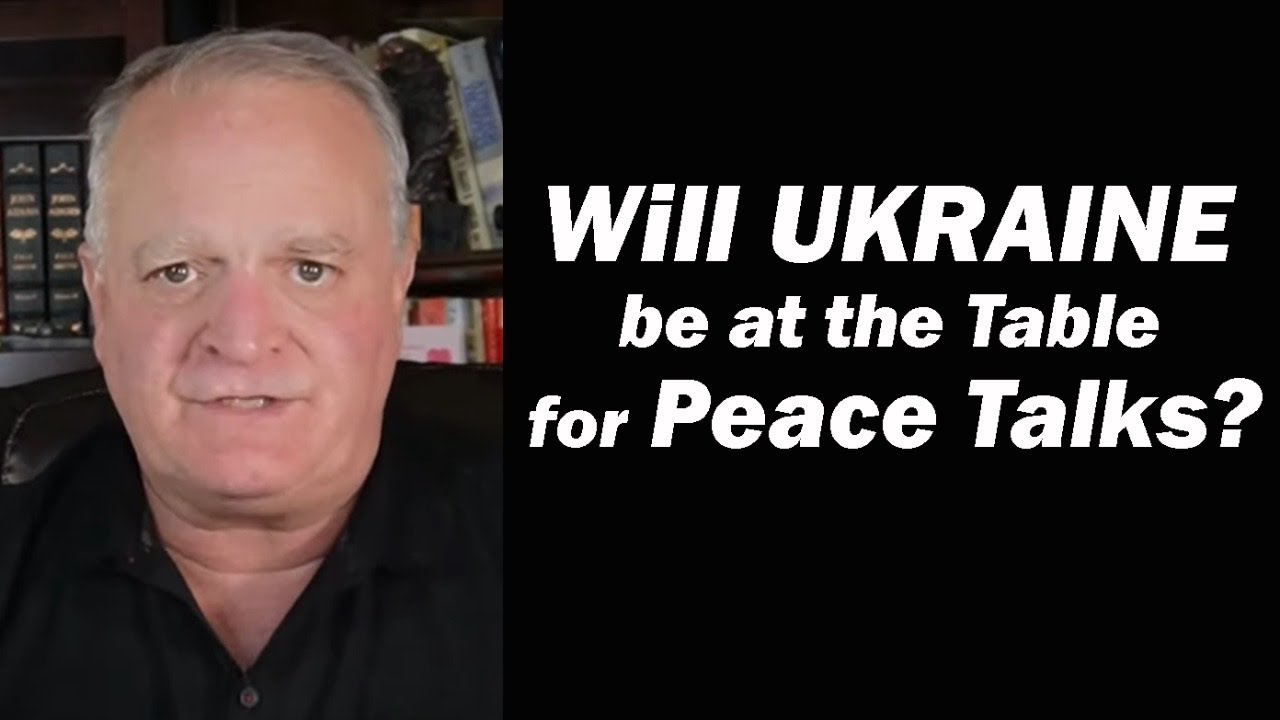
Will UKRAINE be at the table for Peace Talks? w/Harry Kazianis of 19fortyfive.com
Posted
January 27, 2025
Views
13,309
Likes
1,007
Comments
209
Engagement
January 27, 2025
13,309
1,007
209
9.14%
Every word spoken in this episode is indexed. Type any phrase to jump straight to the moment it was said.
Type any word or phrase that may have been spoken. Click a result to seek the player to that exact moment.
Try a name, a topic, or a quoted line
 48:02Now Playing
Harry Kazianis, President and Editor of the foreign policy publication 1945, emphasizes the publication's bipartisan approach and its commitment to presenting diverse viewpoints.
The title "1945" reflects the pivotal changes in global history since the end of World War II and the onset of the nuclear age.
Ukraine-Russia Peace Talks:
Ukrainian President Zelensky expresses concerns about being excluded from potential ceasefire discussions between the U.S. (under Trump) and Russia.
Harry predicts initial talks will likely be bilateral, involving the U.S. and Russia, with Zelensky and the EU being brought in at later stages.
Challenges to Ceasefire or Peace:
A ceasefire is widely considered a starting point, but Russian officials like Foreign Minister Lavrov oppose it, viewing it as a tactic for Ukraine to regroup and rearm.
Russia’s conditions for peace include recognition of territories annexed in 2022 (Crimea and four other provinces), which Ukraine and its allies are unlikely to accept.
Negotiation Dynamics:
Trump’s administration might propose taking NATO membership off the table for Ukraine as a bargaining chip, addressing Russia’s primary concern.
Both sides face significant obstacles in agreeing on territorial claims and other conditions, making a comprehensive peace treaty unlikely in the near term.
Geopolitical and Strategic Considerations:
Russia’s long-term challenges include sustaining the war financially and politically, as reliance on allies like China, North Korea, and Iran strains its resources.
The discussion compares Russia's concerns about Ukraine joining NATO to hypothetical U.S. reactions if Russia formed a military alliance with Mexico.
Possible Outcomes:
The most realistic scenario may resemble the Korean War’s armistice, where fighting stops without a formal peace agreement, leaving territorial disputes unresolved.
Putin’s stance on territorial realities ("realities on the ground") remains a major obstacle, as it involves Ukraine ceding significant territories to Russia.
Conclusion:
Achieving a ceasefire or peace framework will require concessions from both sides, which appear unlikely in the short term. The conflict may continue until both parties are forced to accept a frozen conflict or armistice.
This nuanced analysis highlights the geopolitical complexity, entrenched positions, and potential pathways for resolving the ongoing war.
Sentinel Indexing in Progress
Metadata and chapters are available. Claim extraction for this episode is pending.
All video content is delivered via YouTube embedded players in accordance with the YouTube Terms of Service. Sentinel provides research tools that promote discovery and accountability across political media.