Ukraine Russia War - PRESSURE to Keep it Going w/Patrick Henningsen
February 25, 2025
11,285
896
53
8.41%
Search the Record
IndexedEvery word spoken in this episode is indexed. Type any phrase to jump straight to the moment it was said.
Type any word or phrase that may have been spoken. Click a result to seek the player to that exact moment.
Try a name, a topic, or a quoted line
Daniel Davis Deep Dive Episodes Around February 25, 2025
See what was published immediately before and after this episode.


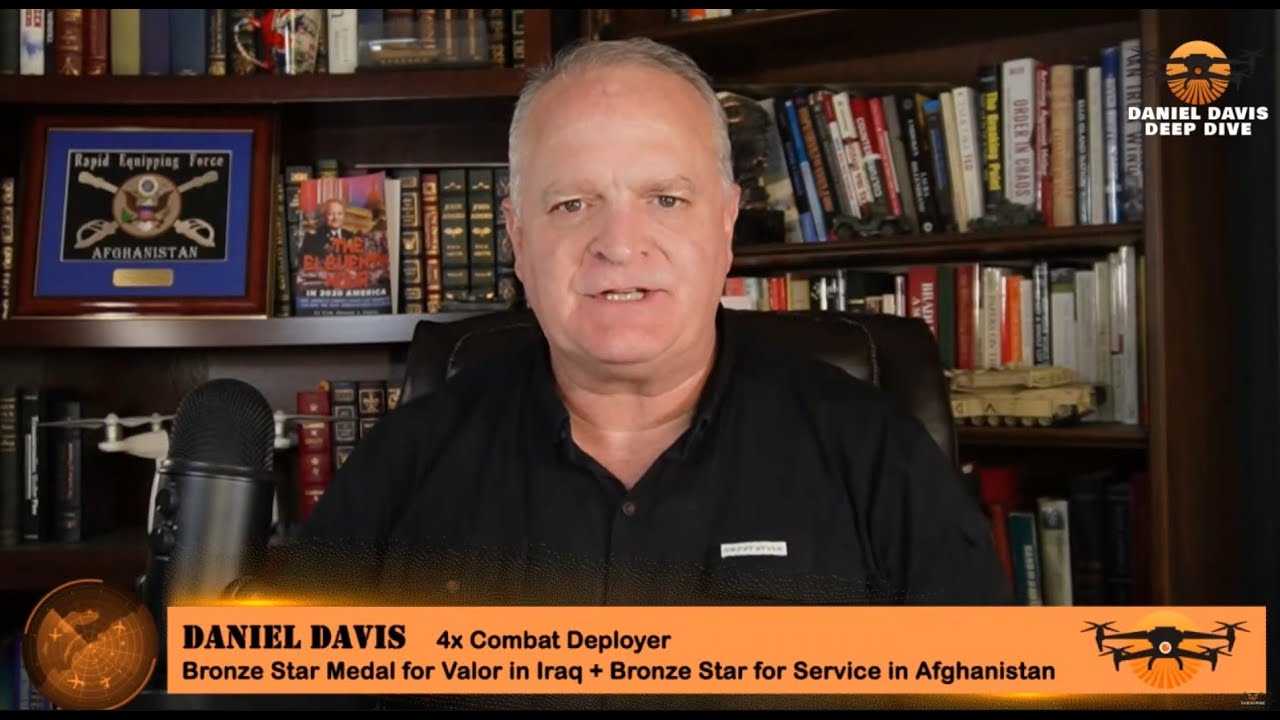
 48:57Now Playing
Ukraine Russia War - PRESSURE to Keep it Going w/Patrick Henningsen




YouTube Description
as posted by the channelPatrick's article:
‘Rational’ Trump, ‘Toxic’ Zelensky, and ‘Shackled’ EU – Key Takeaways From Putin Interview
The presentation discusses the contrasting approaches of Donald Trump and European leaders regarding the war in Ukraine.
Trump and French President Emmanuel Macron met at the White House to discuss ways to end the conflict, with Trump having repeatedly promised to resolve it quickly. Initially, he claimed he could do it in a day, later extending the timeline to 100 days or a few weeks.
Meanwhile, European leaders met in Kyiv, appearing more focused on prolonging the war rather than negotiating peace.
A major obstacle to ending the war is Ukraine’s political situation. Ukrainian President Volodymyr Zelensky remains in power despite his mandate having expired, with the Ukrainian parliament reaffirming his position. However, Russia refuses to negotiate a peace deal until Ukraine holds elections.
European leaders and NATO continue to push for military aid to Ukraine rather than exploring diplomatic solutions. The NATO Secretary General's rhetoric emphasizes supporting Ukraine militarily but does not outline a path to peace.
The discussion highlights how European leaders, having invested significant political capital in supporting Ukraine, are unwilling to change course. There are concerns that abandoning the war effort could result in political instability and the rise of populist parties in Europe.
The growing anti-Russian sentiment in Europe, partly fueled by U.S. narratives like "Russiagate," has persisted even as the U.S. shifts toward normalization with Moscow.
The U.S. under Trump is adopting an "offshore balancing" strategy, where local allies handle conflicts while the U.S. provides indirect support. However, this strategy has historically been risky and difficult to implement.
The presentation suggests that Europe is struggling to define what a "just and lasting peace" looks like, while the U.S. is shifting towards ending the war—potentially leaving Europe to manage the crisis alone.
Links & Promotions
Guests & Subjects Covered
Sentinel Indexing in Progress
Metadata and chapters are available. Claim extraction for this episode is pending.
All video content is delivered via YouTube embedded players in accordance with the YouTube Terms of Service. Sentinel provides research tools that promote discovery and accountability across political media.