Daniel Davis Deep Dive
@danieldavisdeepdive·442K subscribers·4.9K videos
John Mearsheimer: Trump is Disrespecting Russia - Not Smart
Posted
May 10, 2025
Views
118,096
Likes
4,862
Comments
1,374
Engagement
May 10, 2025
118,096
4,862
1,374
5.28%
Every word spoken in this episode is indexed. Type any phrase to jump straight to the moment it was said.
Type any word or phrase that may have been spoken. Click a result to seek the player to that exact moment.
Try a name, a topic, or a quoted line
 9:10Now Playing
Daniel Davis Deep Dive Merch: Etsy store
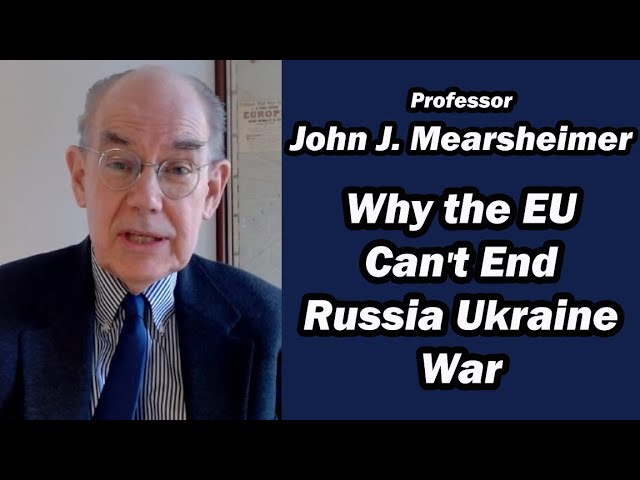
The discussion centers around the significance of May 9th, the Russian celebration of Victory Day in World War II, and differing narratives about who deserves credit for the victory. Professor John Mearsheimer, an international relations scholar, responds to Donald Trump's claim that the U.S. did "more than any other country" to win World War II. Mearsheimer strongly refutes this, emphasizing that the Soviet Union bore the greatest burden, suffering immense losses (estimated at 24–27 million deaths) and engaging the vast majority of German forces on the Eastern Front. He notes that 93% of German casualties before the Normandy invasion occurred on the Eastern Front, underlining the Soviet Union's decisive role.
While acknowledging the important contributions of the U.S. and Britain, Mearsheimer argues that dismissing the Soviet role is both historically inaccurate and disrespectful, particularly given the current geopolitical climate with Russia and the war in Ukraine. He criticizes Trump's comments as factually wrong and diplomatically harmful, suggesting they reflect poor judgment and undermine the U.S.'s reliability on the world stage.
The conversation also highlights how historical remembrance is now entangled with present-day politics, noting that while many Western countries avoid Russian commemorations due to the Ukraine war, some European leaders—like Slovakia’s Robert Fico—acknowledge Russia’s role in World War II regardless of current tensions.
Sentinel Indexing in Progress
Metadata and chapters are available. Claim extraction for this episode is pending.
All video content is delivered via YouTube embedded players in accordance with the YouTube Terms of Service. Sentinel provides research tools that promote discovery and accountability across political media.