Daniel Davis Deep Dive
@danieldavisdeepdive·442K subscribers·4.9K videos
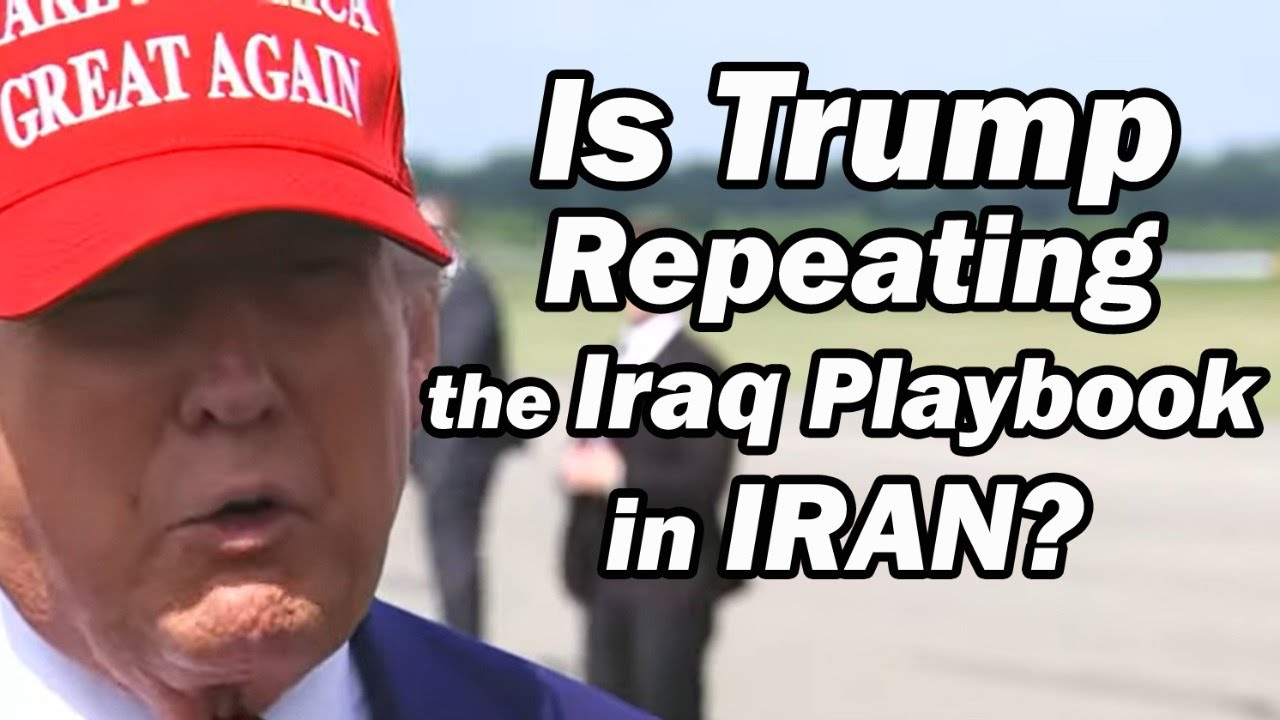
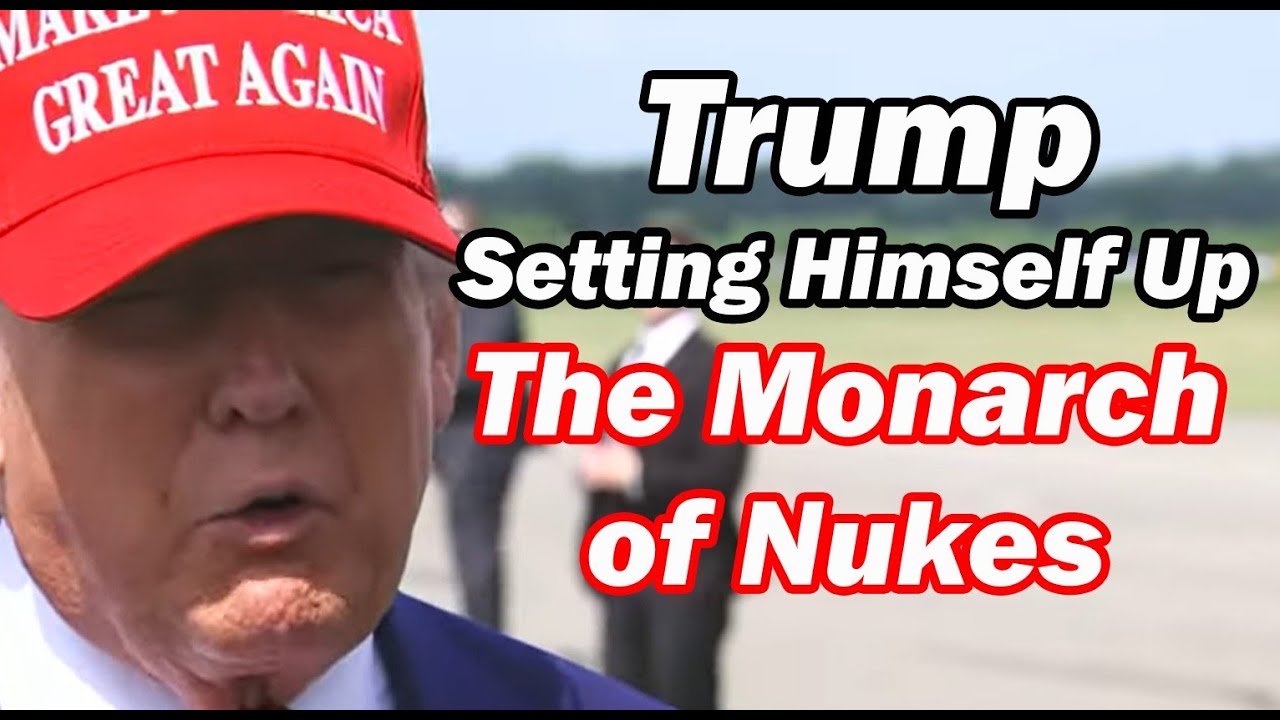
Lt Col Daniel Davis: Iran-Israel War - DON'T ENTER into IT
Posted
June 20, 2025
Views
27,329
Likes
1,162
Comments
208
Engagement
June 20, 2025
27,329
1,162
208
5.01%
Every word spoken in this episode is indexed. Type any phrase to jump straight to the moment it was said.
Type any word or phrase that may have been spoken. Click a result to seek the player to that exact moment.
Try a name, a topic, or a quoted line
 16:18Now Playing
Daniel Davis Deep Dive Merch: Etsy store
This analysis discusses the escalating Israel-Iran conflict, highlighting that Iran has responded to Israeli provocations in a calculated, restrained way, even after major provocations such as:
The missile strike on Iran's embassy in Syria, and
The assassination of a Hamas leader in Tehran.
Despite these provocations, Iran signaled its desire to avoid full-scale war by giving advance warning before launching drone and missile strikes in April 2024—most of which were intercepted.
When Israel launched a preemptive strike claiming Iran was close to building a nuclear bomb (without evidence of an imminent threat), Iran escalated its response by sending ballistic missiles to show Israel’s air defenses (Iron Dome, David's Sling, THAAD) are not impenetrable.
The speaker warns that:
Israel may be trying to provoke U.S. involvement, but that would be dangerous.
Iran may still be holding back, reserving long-range missile capacity in case the U.S. enters the war.
Israel is reportedly running low on interceptor missiles, and the U.S. doesn’t have the surplus to replenish them, especially with ongoing demands from Ukraine.
If the U.S. enters the war:
It will deplete national missile reserves, weakening its broader defense capabilities.
It risks escalating into a losing, open-ended war, unlike the 2003 Iraq invasion which faced a much weaker opponent.
The speaker urges the U.S. to use the current two-week window for diplomacy, not airstrikes. A negotiated deal with Iran is still possible, though it would require:
Realistic expectations (e.g., Iran will not fully abandon its missile program or enrichment).
Concessions from the U.S., rather than demands.
Robust inspections, not blind trust.
Ultimately, the speaker warns that war with Iran would:
Destabilize global security,
Undermine support for Ukraine by cutting off needed aid,
And potentially push Iran to build nuclear weapons—a move they've so far avoided since 2003.
Sentinel Indexing in Progress
Metadata and chapters are available. Claim extraction for this episode is pending.
All video content is delivered via YouTube embedded players in accordance with the YouTube Terms of Service. Sentinel provides research tools that promote discovery and accountability across political media.