Daniel Davis Deep Dive
@danieldavisdeepdive·442K subscribers·4.9K videos
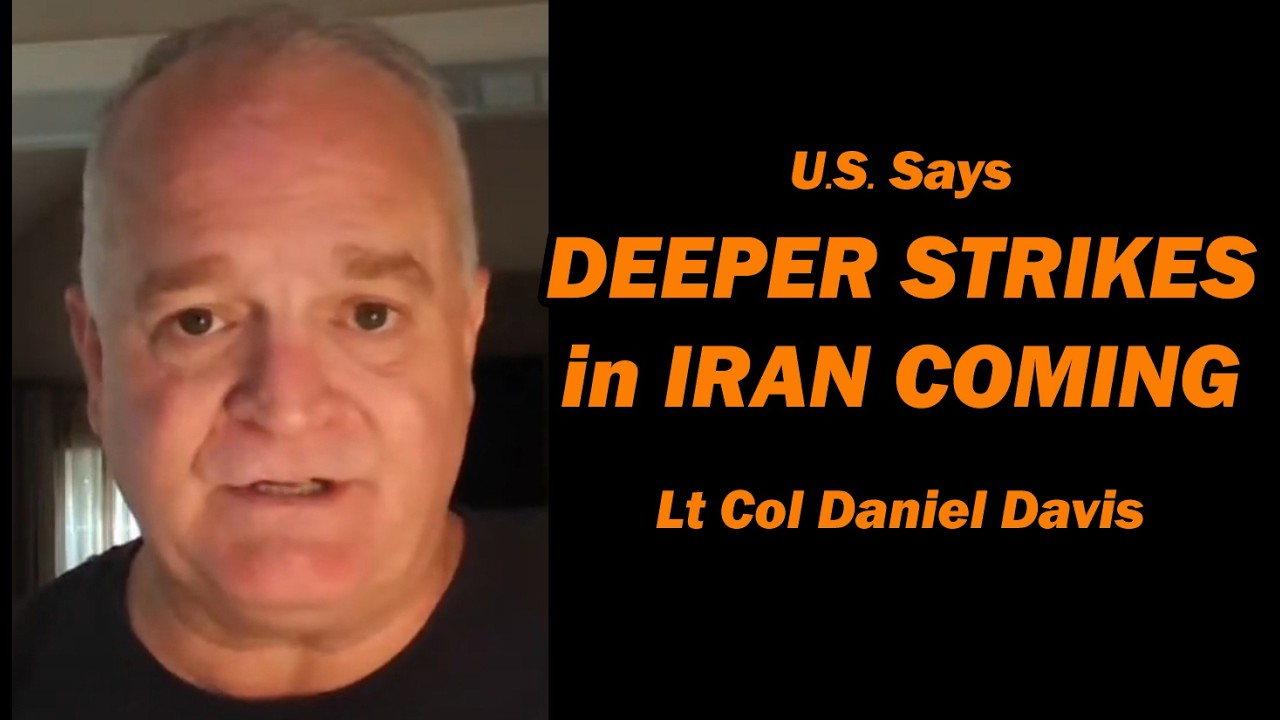
U.S. Says DEEPER STRIKES in IRAN COMING /Lt Col Daniel Davis
Posted
March 4, 2026
Views
57,276
Likes
2,546
Comments
395
Engagement
March 4, 2026
57,276
2,546
395
5.13%
Every word spoken in this episode is indexed. Type any phrase to jump straight to the moment it was said.
Type any word or phrase that may have been spoken. Click a result to seek the player to that exact moment.
Try a name, a topic, or a quoted line
 49:19Now Playing
** NEW MERCH ** Jackets & Sweatshirts, Thermo Mugs!!
Daniel Davis Deep Dive Merch: Etsy store
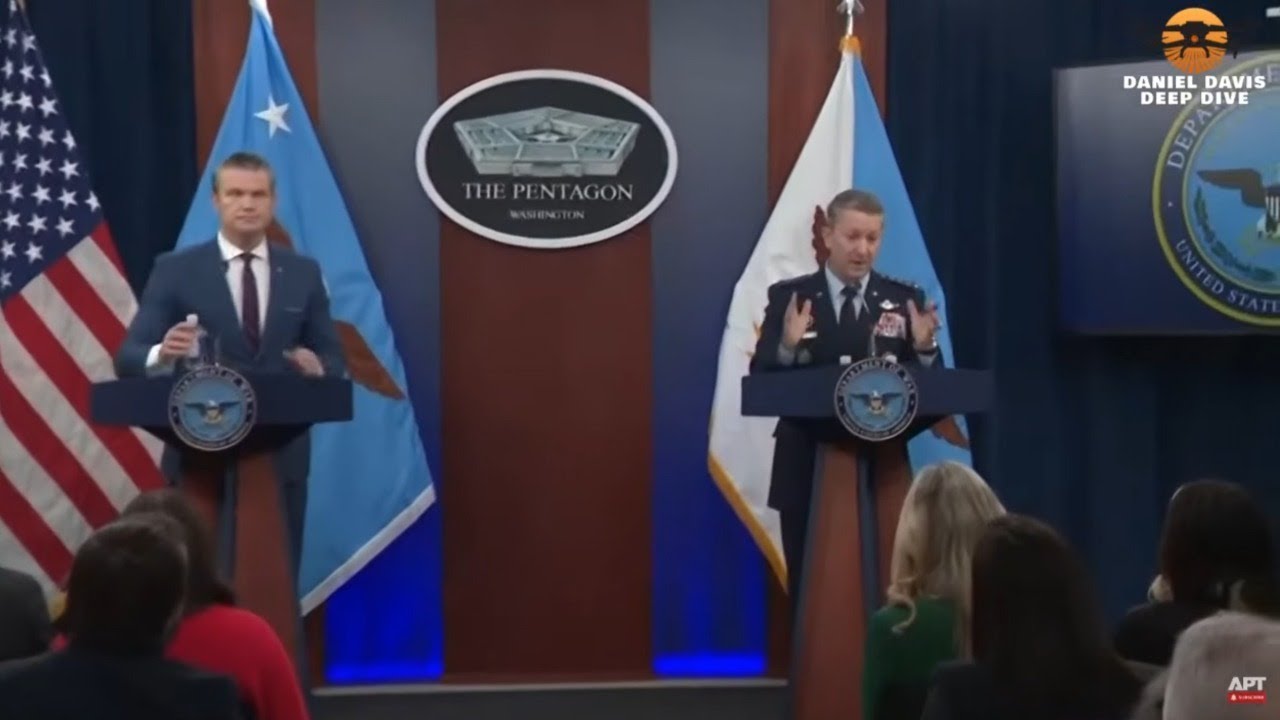
Lt Col Daniel Davis reports that the U.S., according to Defense Secretary Pete Hegseth and the Joint Chiefs chairman, plans to escalate the war by striking deeper inside Iran. They claim Iran’s air defenses have been largely destroyed, allowing U.S. bombers and fighters to enter Iranian airspace and use JDAMs and gravity bombs. President Trump has warned that “the worst is yet to come,” signaling intensified attacks.
Hegseth portrays the war as going very well, insisting the U.S. has ample ammunition and that Iran cannot outlast American capabilities. He even highlighted a U.S. submarine sinking an Iranian warship—the first such torpedo sinking since World War II—as proof of dominance. He repeatedly stated, “we are winning.”
The speaker challenges this narrative, arguing that heavy destruction does not equal strategic success. He points to widespread damage across the region—including Israel, Gulf states, and Iran—while noting that war aims remain unclear. Simply destroying infrastructure does not guarantee political or military victory.
He draws comparisons to prolonged conflicts where overwhelming airpower failed to force surrender: Israel’s campaign in the Gaza Strip against Hamas, Saudi and U.S. efforts against the Houthis, Israeli operations against Hezbollah, and Russia’s war in Ukraine. In each case, intense bombardment did not produce collapse.
He argues Iran appears prepared for a long war, citing underground missile systems and mobile launch capabilities that are difficult to eliminate. Rather than weakening the Iranian government, early strikes seem to have rallied public support behind it.
The speaker also criticizes U.S. political messaging. He says Hegseth’s rhetoric is designed to project strength and confidence rather than provide a realistic assessment. He notes Senator Lindsey Graham supports expanding regional involvement, while dismissing claims that Iran seeks peace. Instead, the speaker suggests Iran’s strategy is to impose sustained costs on the U.S., Israel, and regional allies to deter further escalation.
Overall, the argument is that despite confident official statements, history suggests airpower alone is unlikely to quickly defeat Iran, and the conflict may become prolonged and costly.
Sentinel Indexing in Progress
Metadata and chapters are available. Claim extraction for this episode is pending.
All video content is delivered via YouTube embedded players in accordance with the YouTube Terms of Service. Sentinel provides research tools that promote discovery and accountability across political media.